抗衰老是今日醫學一個重大課題,因為世界上每一個人,不但害怕死亡,更害怕死亡前的衰老,以及伴隨而來的病痛,而與其有病時求醫,不如保留年輕時的狀態,便無懼於任何疾病。抗衰老比起任何醫術,都來得更重要。
當然
A theory on why most browsers control their own list of CA roots
As part of the ipsCA failure , a number of people are noticing that most browsers keep their own list of CA roots, instead ofdeferring to whatever system-wide list your operating system keeps.There are at least three ways to explain this, depending on how cynicalor optimistic you are.
The first is that it is the natural outcome of a ruthless but completelyuneven Darwinian struggle for influence (and the benefits it brings)between SSL CA vendors, browser vendors, and OS vendors. Since browservendors ultimately hold
<發酵的男人>
1月9日(星期六)晚上10:20pm-12:00am
香港電台第一台FM926
主持人: 周 融 , 王 雅 文
有空請收聽~
https://programme.rthk.org.hk/channel/radio/programme.php?name=BubblingPair&d=2010-01-09&p=3060&e=102
香港電台第一台FM926
主持人: 周 融 , 王 雅 文
有空請收聽~
https://programme.rthk.org.hk/channel/radio/programme.php?name=BubblingPair&d=2010-01-09&p=3060&e=102
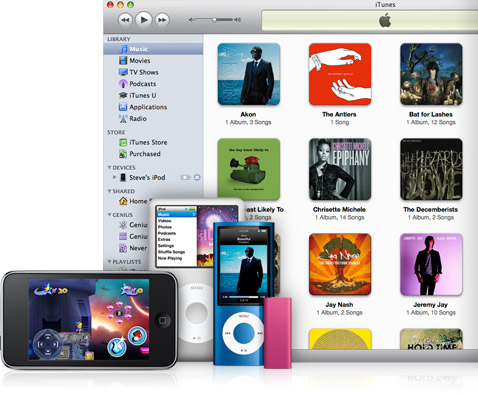
反Apple邪惡軸心的MP3播放器—MuShower (一)
雖然做了Mac友十幾廿年,但一直提醒自己不要變得太過大Apple主義,置諸所有非Apple或甚至非Apple化的週邊電子產品為下三流,畢竟,作為普通消費者,真的不希望市場會由一個品牌壟斷,你見好些朋友無情情都會好似同”Mic記”有仇
涼風有信
一些朋友知道我愛聽南音時,有點驚訝。一個中文系的老餅(我在大學時主修中文)愛聽南音,有甚麼奇怪呢?我的西化是後來的事,有些很傳統的中國口味早在年輕時已培養好了。這近十多年才認識的朋友,見我的唱片大多是
惡的自愛
一個人快要死了,便把器官捐贈出去,人們稱呼這是遺愛人間。的確令人感動,假如一個人就因為這件事,便獲得了延續生命的機會,整件事看來,都是一幅優美的圖畫。而且我們相信,得救的那一個人,將會把生命用在傳遞這
Robert Downey Jr.於Esquire封面虛擬現身?

一齣Iron Man 後再來一齣Sherlock Holmes,令全球不少大中細女對Robert Downey Jr.頓然翻叮又嗒糖,封為新一代型佬。
12月號的美版Esquire,他除了成為了封面人物外,有關方面更乘著他的上位人氣,來了一個封面上的創舉,是為2009年在網絡界大
Chicago Street Lights
Michigan Avenue lights (photo taken this weekend atop the Hancock Building in the northern part of Chicago):

君子絕交
無論是多要好的朋友,也難保不會一朝割蓆斷交,雖然未必就此反目成仇,至少也盡量迴避對方,甚至老死不相往來互無聞問。這樣不是很可惜嗎?其實那也是不一定的。
這麼多年來先後跟幾個本來要好的朋友斷絕來往,當年自
這麼多年來先後跟幾個本來要好的朋友斷絕來往,當年自
Turning synchronous channels asynchronous
(This is likely obvious, but since I keep working it out again in myhead I'm going to write it down once and for all.)
Suppose that you have a CSP -likeenvironment, with lightweight processes and synchronous communicationchannels with no buffering. Synchronous channels are simple but veryinconvenient for many real-world things, where you need to haveasynchronous channels. Fortunately, you can turn synchronous channelsinto acceptable asynchronous ones as follows.
To send an asynchronous message, you spawn a new process and