這場 TED 談的是辯論技巧,若套入阿里士多德的框架,在討論公平一事上,必先討論該事物的:
- 本質 (essential nature)
- 我們所尊敬、認同的特質 (qualities worthy of honor and recognition)
片中一例:最好的笛要給誰?隨機?最好的樂手?最差的樂手?阿埋士多德的
This is a lesson from long ago, one that I learned from the veryfirst Amiga word processor. This word processor's mouse busy-cursoranimation was of a bird leisurely flapping its wings; because theoriginal Amiga was kind of slow, people wound up seeing this animationfairly often. Several years after the Amiga was released, I wound uptalking to one of the people who had designed this (she was my HCI teacher) and she asked me whether us actual Amiga users had liked thebusy cursor;
這場 TED 談的是辯論技巧,若套入阿里士多德的框架,在討論公平一事上,必先討論該事物的:
片中一例:最好的笛要給誰?隨機?最好的樂手?最差的樂手?阿埋士多德的
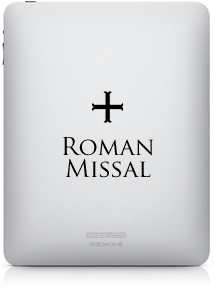
Posted over on Open Source Catholic: Celebrating the Holy Mass from an iPad . ( Original story on WDTPRS; please comment on the OSC post linked above).
 ( 原刊 AV Magazine 18-06-2010 )
人生音像城
前度:給戀愛多過一次的人
麥曦茵的《前度》有句按語:「給戀愛多過一次的人」,有過去了的感情,才有「前度」,導演在一些訪問中說過,每一次戀愛,像將一塊銅板擲入許願

One of the features of ZFS's spares handling is that if you havemultiple pools, you can share spare disks between them. This lets youhave a single global pool of spares that are used by whichever poolneeds them, or more complex schemes if you really want them (you mightin, say, a SAN environment).
Our experience is that you want to be really cautious around multi-poolshared spares, because they're buggy and they don't necessarily workvery well in practice in