「iPad? 點解呢個名咁似M巾?」
哈哈,以上是我老婆今早聽見這個名時的第一個反應。
我第一個反應,反而係:嘩,正呀,好似成部iPod Touch變咗Incredible Hulk(變型俠醫)咁呀,勁呀!
我較緊張的是價錢,唔好講咁多,睇睇咩價碼先。
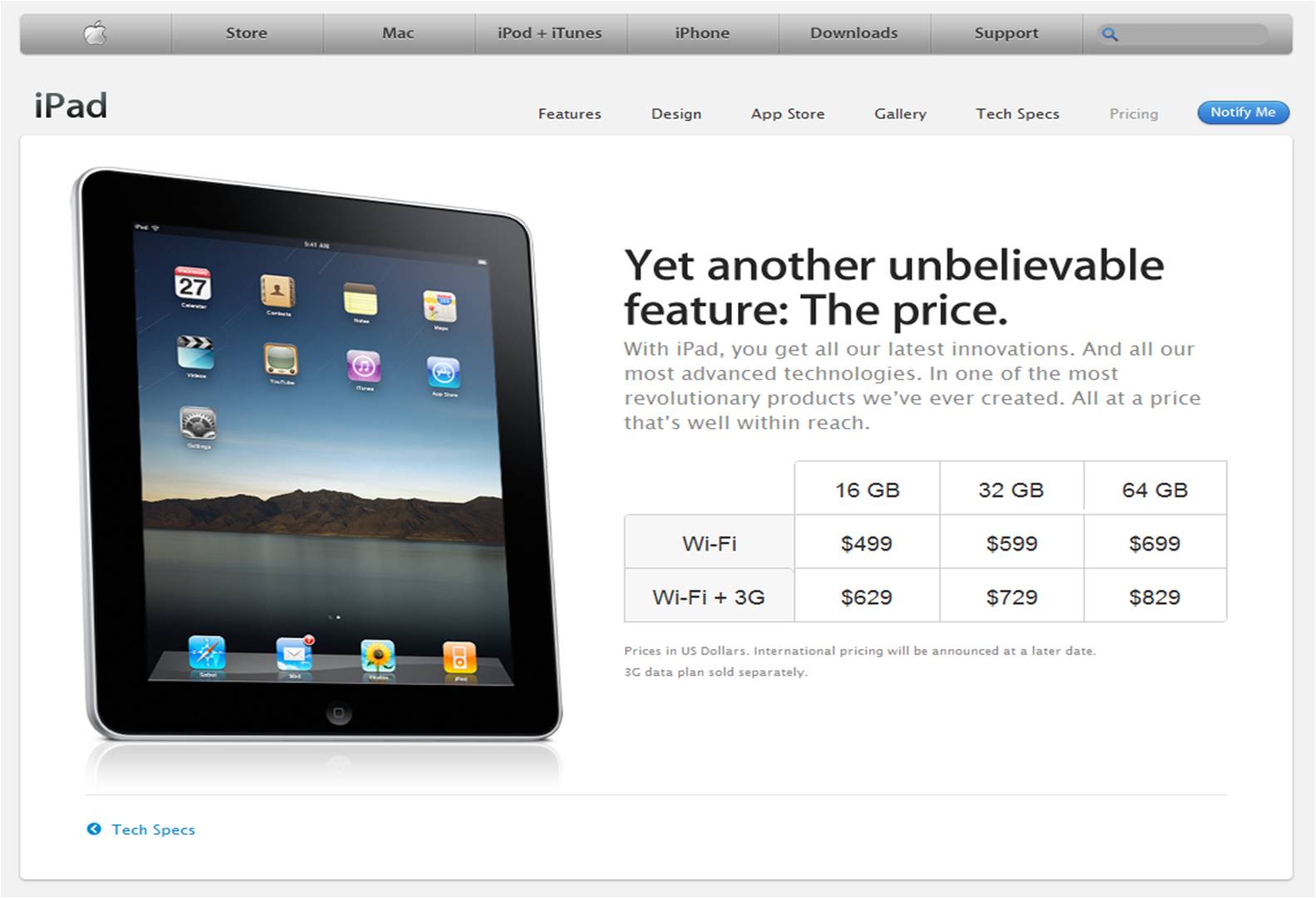
入場
I recently wound up reading a message about upcomingbehavior changes to the .com/.net/.edu nameservers ( via DawnKeenan ). The shortsummary of that message is that as of March 1st, those nameserverswill mostly stop returning information about out of zone gluerecords .
Up until I read the message, I had not realized that these nameserverswere still carrying (and in fact returning) out of zone glue records andit was just that modern DNS systems were not paying attention to them; I

The 34 th HKIFF is proud to present some of

Like a lot of other people, I'm not very interested in the iPadmyself for all of the obvious reasons for an open source personwho likes doing random things to his computers (see Tim Bray for arepresentative example). But I have a theory about what Appleis up to here, and it goes like this:
The iPad is a computer for people who do not like computers, not acomputer for people who like computers.
The problem with making computers for people who like computers is thatit
I can't claim to know very much about cryptography programming, but Ilike to think that I have picked up on a few mistakes to avoid. Here'sone of them: you want to sign exactly what you are authenticating, notsome mangled version of it .
(Note that 'canonicalizing' things is a form of mangling them.)
Suppose, as a not entirely hypothetical example ,that you are signing some sort of web request with a bunch of (URL)parameters. In order to deal
「iPad? 點解呢個名咁似M巾?」
哈哈,以上是我老婆今早聽見這個名時的第一個反應。
我第一個反應,反而係:嘩,正呀,好似成部iPod Touch變咗Incredible Hulk(變型俠醫)咁呀,勁呀!
我較緊張的是價錢,唔好講咁多,睇睇咩價碼先。
入場