Linux 5.9.12 Is In Good Shape With The AMD Radeon RX 6800 Series
RadeonSI Finally Sees Experimental ACO Patches As Alternative To LLVM Shader Compiler
Linux 5.10-rc7 Arrives - Linux 5.10 LTS Debut Expected Next Weekend

Linux 5.10-rc7 is looking "pretty good" and "solidly in the average size department", much to Linus Torvalds delight. There are changes all over from the past week but seemingly nothing too bad.
Thus in the 5.
Debian Installer Bullseye Alpha 3 Switches To Linux 5.9, Larger /boot
Notable with this alpha update is switching over to the Linux 5.9.0-4 kernel. Linux 5.9 is currently the latest stable kernel series. We'll see if Linux 5.10 ends up making it into Debian 11 "Bullseye" especially as
Intel + Microsoft Continue Work On Replacing More SMM "Black Boxes" With PRM

Phoronix Test Suite 10.2 Milestone 2 Brings More Testing Enhancements
The prior Phoronix Test Suite 10.2 Milestone 1 release brought better support for Apple Silicon / M1 hardware, improved detection and Phodevi features around the Ampere Altra, Google Compute Engine detection improvements, and other changes.
Now with Phoronix Test Suite 10.2 Milestone 2 the latest work includes:
Transitioning
The New NTFS Linux Driver Updated With Better Compression Handling
This week saw the "NTFS3" kernel driver patches revved for a fourteenth time as it continues undergoing
Dell Getting Linux Power Management Optimized For Their Latest Systems + Upcoming Tiger Lake Desktop
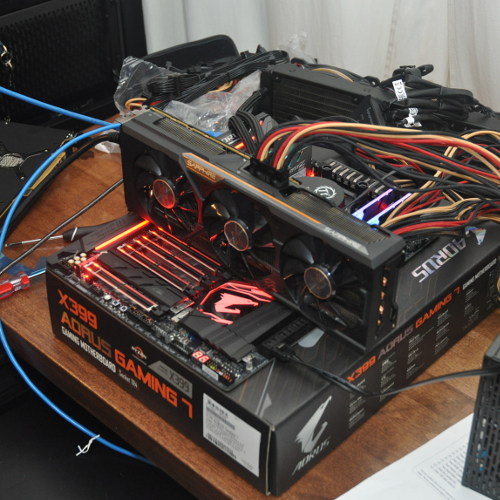
In particular one area that has been problematic is the Intel e1000e network driver that previously disabled S0ix flows due to regressions on some systems with the i219-LM controller. Proper S0ix support though is now critical since Intel effectively ended S3 support with Tiger Lake mobile processors and thus forcing S0ix states for power
Better Support For Microsoft Surface Laptops On Linux Is Coming With "SAM"
After a lot of infrastructure work around the Surface platform support, in recent weeks patches have been under review for enabling the Microsoft Surface System Aggregator Module (SAM / SSAM) on Linux. The Microsoft Surface System Aggregator Module is found on later generation Surface devices and amounts to being an embedded controller. The SAM on some models is responsible not only for battery status handling and thermal reporting but also HID keyboard and touchpad input support.
While Microsoft
Linux Appears Close To Supporting LiFi Light-Based Networking With pureLiFi
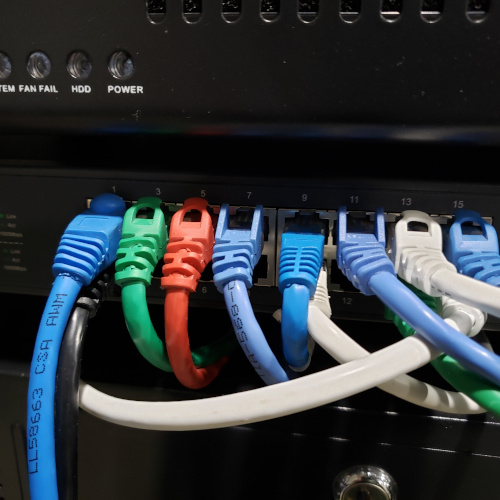
The pureLiFi devices like other Li-Fi designs use light rather than radio frequencies for data transmission with promises of multi-Gbps speeds, better reliability, low latency, and better security. It's surely interesting and will be fun to see how Li-Fi plays out