Intel

Intel's Abandoned "Many Integrated Core" Architecture Being Removed With Linux 5.10

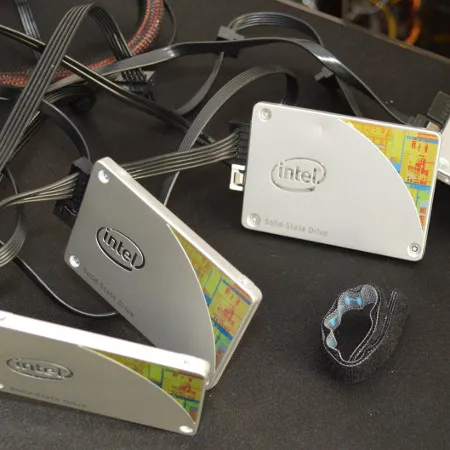
While Linux 5.10-rc2 is coming later today and a week past the merge window, a notable late pull request sent in this morning by Greg Kroah-Hartman is removing the Intel MIC (Many Integrated Core) architecture drivers, a.k.a. Xeon Phi.

Lightening up the kernel tree by nearly twenty-seven thousand lines of code is the removal of the Intel MIC drivers from the kernel. This is code for Intel's failed Intel MIC X100 (Knights Corner
Continue reading...

IO_uring Passthrough For KVM Guests Is Yielding Fantastic Results

At the Linux Foundation's KVM Forum 2020 this week, Stefano Garzarella of Red Hat presented on the possibility of speeding up virtual machine I/O performance by sharing the host's IO_uring queues with guests. In doing so the virtual machines have near bare-metal performance with the proposed patches.

IO_uring has been one of the most incredible innovations to the Linux kernel of the past decade. New use-cases continue to be explored for this interface to allow for more efficient I
Continue reading...

Intel Bus Lock Detection For The Linux Kernel Proceeding

Earlier this year the Linux kernel landed split lock detection for being able to detect and optionally kill processes leading to a split lock since it can cause measurable performance issues and even possible unprivileged denial of service.

Building off that in the middle of summer was then proposed bus lock detection . It's been a few months since then but the bus lock detection for the kernel continues to be worked on and a new version of the proposed patches were sent out this week by Intel's Fenghua Yu.

A bus lock as

Open Source LLM

OpenIndiana 2020.10 Released For Continuing Where OpenSolaris Left Off

September marked a decade since the OpenIndiana project was announced for continuing on with the OpenSolaris code-base (and ultimately based on Illumos) in being born out of the justified and proven accurate concerns when Oracle acquired Sun Microsystems. OpenIndiana Hipster 2020.10 was released this weekend as the newest version of this open-source operating system.

OpenIndiana Hipster 2020.10 is the project's latest six-month release. New to 2020.10 is Bhyve virtualization

AMD, Kernel Advancements & Tiger Lake Captivated Linux Readers In October

Another month in the books, another month closer to the end of the dreadful 2020. It was at least an eventful October with 268 original news articles and another 21 multi-page featured articles and Linux hardware reviews. The content ranged from the continuous Linux kernel advancements to exciting hardware announcements.

As a friendly monthly reminder, if you appreciate all of the Phoronix content each and every day be sure to share it on the likes of Facebook and Twitter . If you really enjoy the continuous flow

Hangover Alpha 2 Lets Windows x86/x64 Programs Run On ARM64, POWER 64-bit

The Wine program for running Windows games/applications on Linux and other platforms can run on a number of different architectures, but Wine doesn't handle the emulation of running Windows x86/x64 binaries on other architectures like 64-bit ARM or PowerPC. But that's what the Wine-based Hangover is about with currently allowing those conventional Windows binaries to run on AArch64 (ARM64) and 64-bit POWER too.

Hangover started out with a focus on Windows

Linux Mint Now Packaging Their Own Chromium, Developing New IPTV Player

With this month's Ubuntu/Debian-based Linux Mint development news there are two items worth calling attention to.

First up, Linux Mint is finally packaging Chromium. Linux Mint previously offered Chromium when Ubuntu offered it as a Debian package prior to migrating to Chromium Snaps. Meanwhile the upstream Debian packaging for Chromium often falls well out of date. Thus Linux Mint is now packaging Google's open-source Chromium web browser on its own for users interested it in place of the official Google Chrome package or using the
Continue reading...

Intel

Intel Formally Announces Iris Xe MAX Graphics, Deep Link

Laptop vendors recently disclosed "Xe MAX" graphics as discrete Intel graphics set to appear within laptops in the coming weeks. That announcement was a bit unexpected and Intel did not brief the media in advance while today -- in an unusual announcement for a Saturday (Intel says it's timed for system availability, seemingly first in China) -- the company is formally announcing Iris Xe MAX.
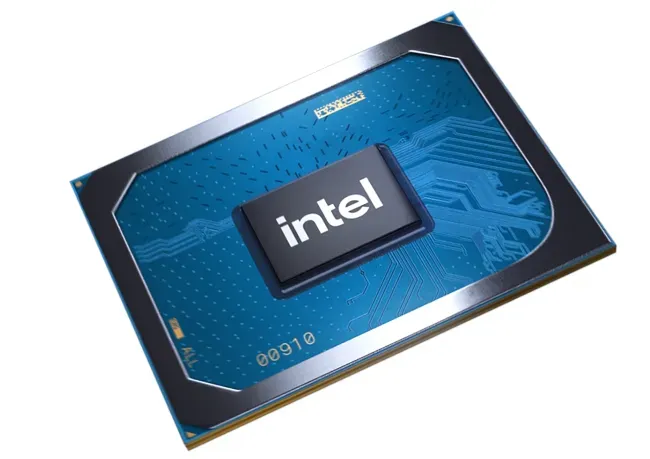
Iris Xe MAX graphics are based on Xe-LP as found in Tiger Lake while it's the first Xe-based

Continue reading...

Open Source LLM

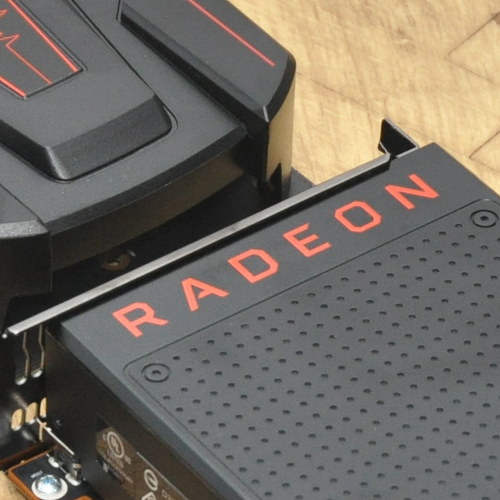
AOMP 11.11 Released For LLVM Clang OpenMP Offloading To Radeon GPUs

This week brought the release of AMD's ROCm 3.9 as their open-source compute stack for Radeon GPUs. With ROCm 3.9 the AOMP work for LLVM/Clang-based compiler with OpenMP offload capabilities to Radeon GPUs was integrated. AOMP though is still advancing independently of the ROCm releases with Friday night marking the release of AOMP 11.11.

AOMP 11.11 is the latest version of this LLVM Clang downstream that is carrying the Radeon OpenMP offloading support until all of it

LLVM Clang 12 Adds Support For AVX-VNNI

The LLVM Clang compiler stack has merged its support for AVX-VNNI, the Vector Neural Network Instructions for AVX to complement the AVX-512 version.

Earlier this month GCC added AVX-VNNI support after the most recent Intel programmer's reference manual update outed this new VNNI variant without AVX-512. The Vector Neural Network Instructions are also known as DL BOOST and optimized to deliver greater deep learning performance out of CPUs for more efficient training and inference.

AVX-VNNI will initially be found with