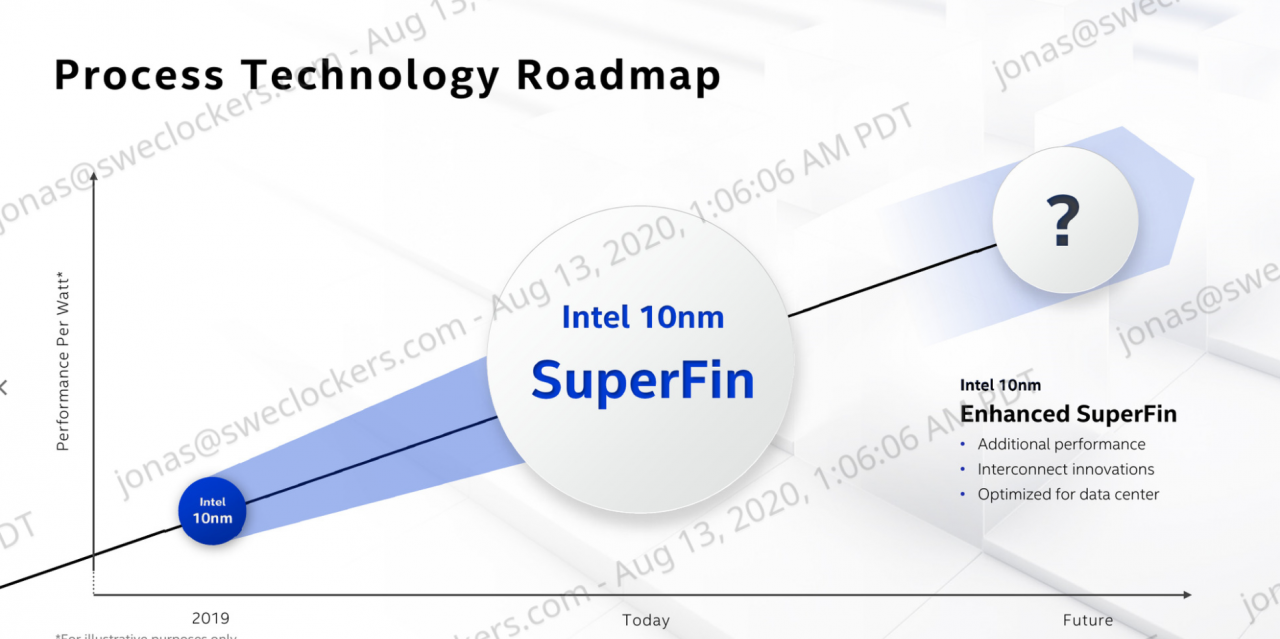
早前 Intel 發佈代號「Tiger Lake」的第 11 代 Core i 低功耗版處理器,內部架構以致品牌 LOGO 都煥然一新。
雖然採用的依然是 10nm 製程,但全新的 SuperFin 技術讓效能和反應速度有大幅提升。CPU 效能提升了 20%,內建的 lris Xe GPU 效能甚至有雙倍增
Intel and Heidelberg University Computing Center (URZ) today announced that they have established oneAPI Academic Center of Excellence (CoE) at UZR. The newly established CoE has a goal to further develop Intel's oneAPI standard and enable it to work on AMD GPUs. This information is a bit shocking, however, Intel believes that the technology should work on a wide range of processors, no matter the vendor. The heterogeneous hardware programming is the main goal here. In a Twitter thread , an Intel employee specifies that Intel has

早前 Intel 發佈代號「Tiger Lake」的第 11 代 Core i 低功耗版處理器,內部架構以致品牌 LOGO 都煥然一新。
雖然採用的依然是 10nm 製程,但全新的 SuperFin 技術讓效能和反應速度有大幅提升。CPU 效能提升了 20%,內建的 lris Xe GPU 效能甚至有雙倍增
英特爾發佈了其新的“ Elkhart Lake”低功耗SoC系列,該系列專為各種物聯網設備(例如邊緣服務和應用程序)而設計。新處理器基於英特爾最新的低功耗Tremont微架構打造,具有Gen 11核顯以及豐富的I/O功能。

Elkhart Lake系列產品包括Atom x6
AMD將在10月9日零時推出Zen 3架構的桌面處理器Vermeer,沒啥意外的話會在明年年初的時間會推出新一代移動處理器Cezanne,畢竟AMD這幾年基本都固定在CES上發新的移動處理器,雖然説明年的CES 2021改成線上的就是了。Cezanne會把內核


With all the buzz surrounding Nvidia's acquisition of Arm and its implications on the semiconductor landscape, it would be easy to miss some of the action happening in the background. For instance, companies that operate
AAEON, a leader in embedded solutions, announces up-coming products featuring the 11th Generation Intel Core processors (formerly Tiger Lake) and Intel Atom x6000E series processors, Intel Pentium and Celeron N and J series processors (formerly Elkhart Lake). These next generation solutions provide greater performance, flexibility and a host of Intel technologies to power computing at the edge.
The 11th Generation Intel Core processors, now the third generation of Intel's 10 nm microarchitecture, provide performance
Currently, Intel's best node available to desktop users is 14 nm one, specifically the 14 nm+++ variant, which features several enhancements to the node so it can get to a higher frequency and allower for faster gate switching. Compare that to AMD's best, a Ryzen 3000 series processor based on Zen 2 architecture, which is built on TSMC's 7 nm node, and you would think AMD is in clear advantage there. And it kind of it. German

AMD earlier today announced its Ryzen 3000C-series processors targeted at Chromebooks, a segment where the company feels it can bring more to the table than Intel's entry-level Celeron, Pentium Silver, and Pentium Gold mobile processors. Responding to a questionnaire by TechPowerUp, AMD revealed a handful details about these processors. The Ryzen 3000C-series processors are based on the 12 nm "Picasso" silicon, while the Athlon Gold and Athlon Silver parts are based on 14

Today, AMD (NASDAQ: AMD) announced the first AMD Ryzen mobile processors and latest AMD Athlon mobile processors for Chromebook platforms, with up to 178% faster web browsing compared to the previous generation. Designed in collaboration with Google, the AMD Ryzen and Athlon 3000 C-Series Mobile Processor lineup introduces the first-ever "Zen" architecture-powered Chromebooks with systems from Acer, ASUS, HP, and Lenovo launching in Q4 2020. The AMD Ryzen 300