“This year is especially meaningful for me because it is my first time giving hongbao to my Chinese friends after getting married. I’m happy to follow this beautiful custom,” the Kuala Lumpur resident said about the long-standing Chinese tradition.
“As Malay-Muslims, we enjoy the cultural festivities such as visiting friends, food, decorations and gatherings, which are similar to our culture during our festive holidays,” said Syazni, 32.
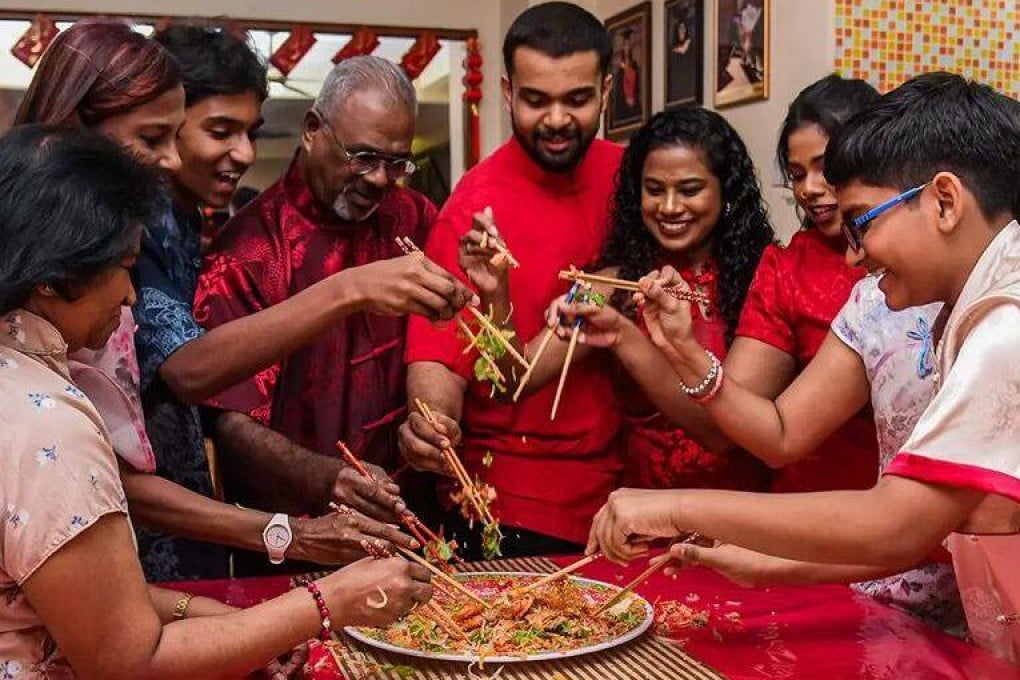
Across parts of Southeast Asia, Lunar New Year – one of the most important events in the Chinese calendar – is no longer observed only within the ethnic group but increasingly shared among neighbours of different faiths and backgrounds.

Observers say the shift reflects how multicultural societies in the region are moving beyond formal coexistence towards a more lived and reciprocal experience of diversity.