NZXT clarifies H2 Flow riser “missing screw pad” reports, references H1 recall history

Hard to imagine the H1 safety recall was 5 years ago. This month NZXT has launched a H2 series, and they have just shared a blog post explaining why their new case is much safer and what actually went wrong with the predecessor.
NZXT has responded to community concerns about the PCIe 5.0 riser cable and riser card used in its H2 Flow case. In NZXT’s summary, the H1 issue came down to two factors. A mounting screw could mechanically interfere with the PCB screw hole area, and a power trace was routed too close to that hole. Under certain assembly conditions, NZXT says the screw could bridge power to ground, creating a short circuit and “thermal events” (the actual words they used).

Source: Updated H2 riser screw
As we remember, that risk was later reflected in the formal recall . On February 2021, the U.S. Consumer Product Safety Commission listed NZXT H1 cases as a fire hazard, stating that metal screws attaching the PCIe riser assembly to the chassis could cause a short and overheating due to the PCB design. The CPSC recall notice lists about 32,000 units affected in the U.S., plus additional units sold in Canada.
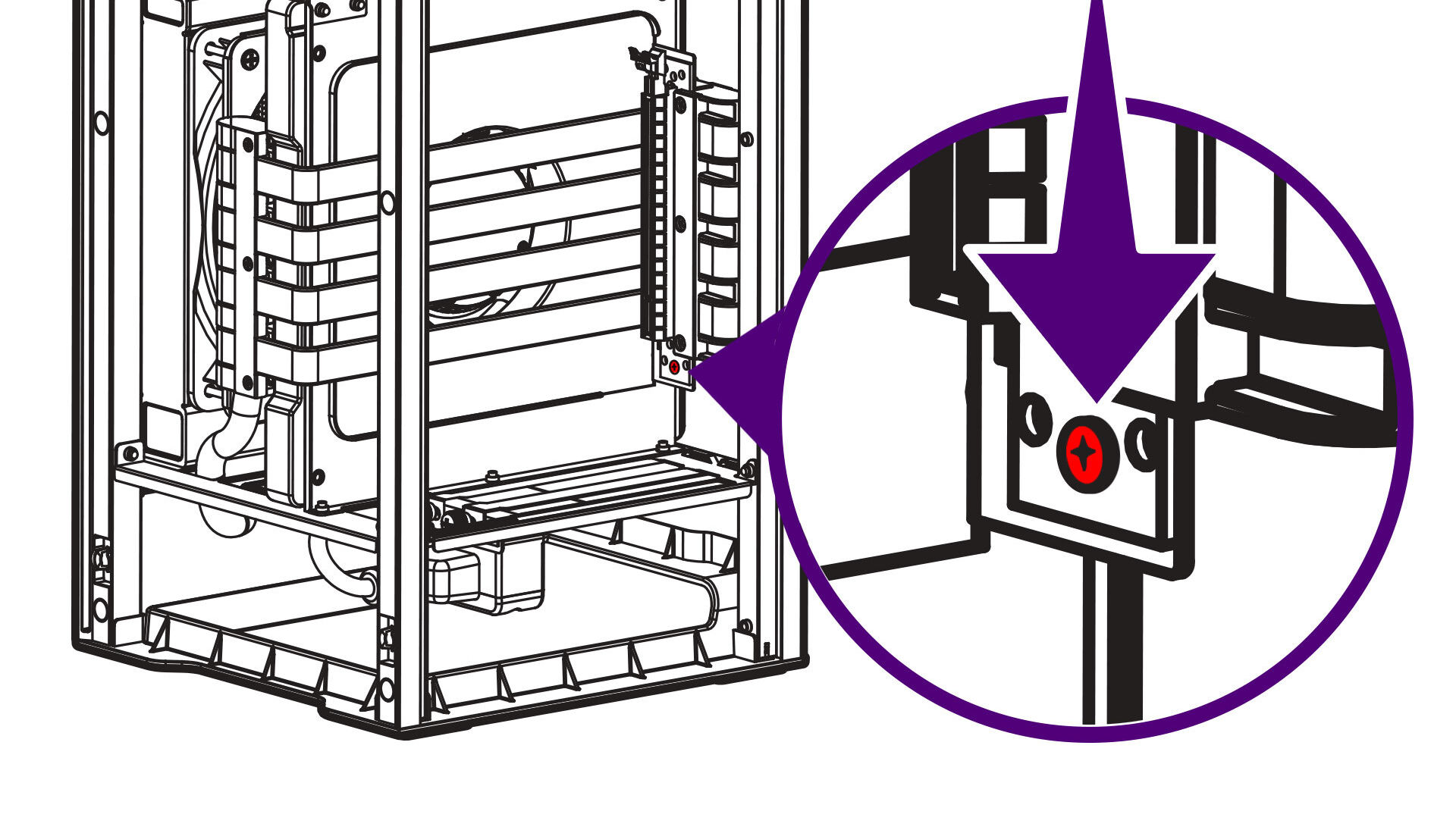
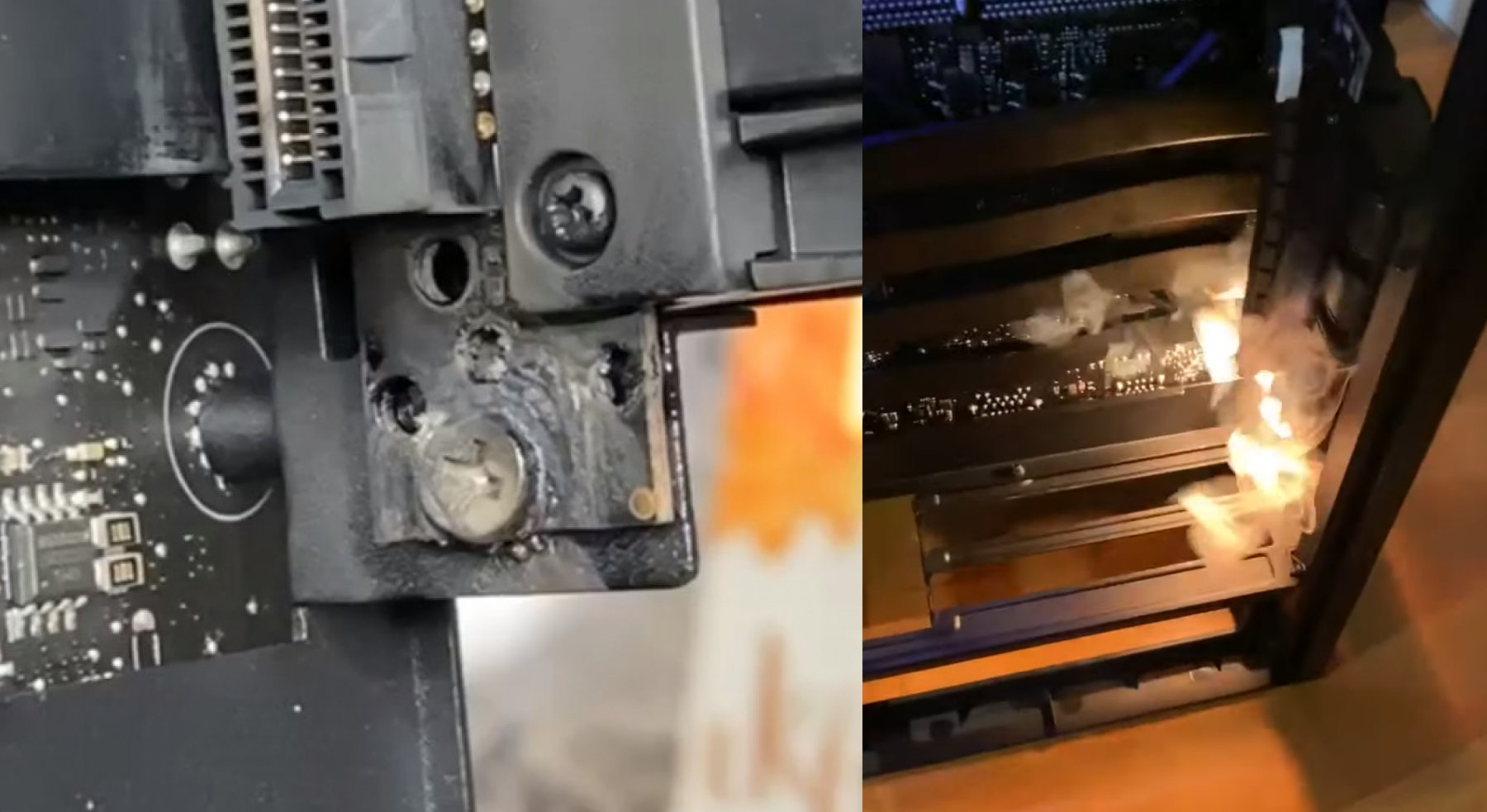
NZXT H1 riser metal screw, Source: NZXT/Marks’ Tech
NZXT also previously explained the technical root cause in a statement. The company said its processes missed an incorrect clearance on the 12V power plane in the riser assembly PCB, and that the hazard could occur if the mounting screw contacted that 12V plane. NZXT added that its nylon screw kit reduced the risk, but did not eliminate the underlying design issue if users swapped nylon screws for metal screws later.
For H2 Flow, NZXT says it designed out the H1 failure mode by separating the screw from the PCB with a shoulder standoff that maintains a physical gap. It also claims that all copper layers around the screw holes are ground plane only, with no power traces routed near that area. NZXT adds that some early review units were DVT samples that lacked a visible “screw pad” ring, but says post-PVT and mass production units include it, and that the missing pad on early samples does not change electrical safety in this layout.
Source: NZXT
