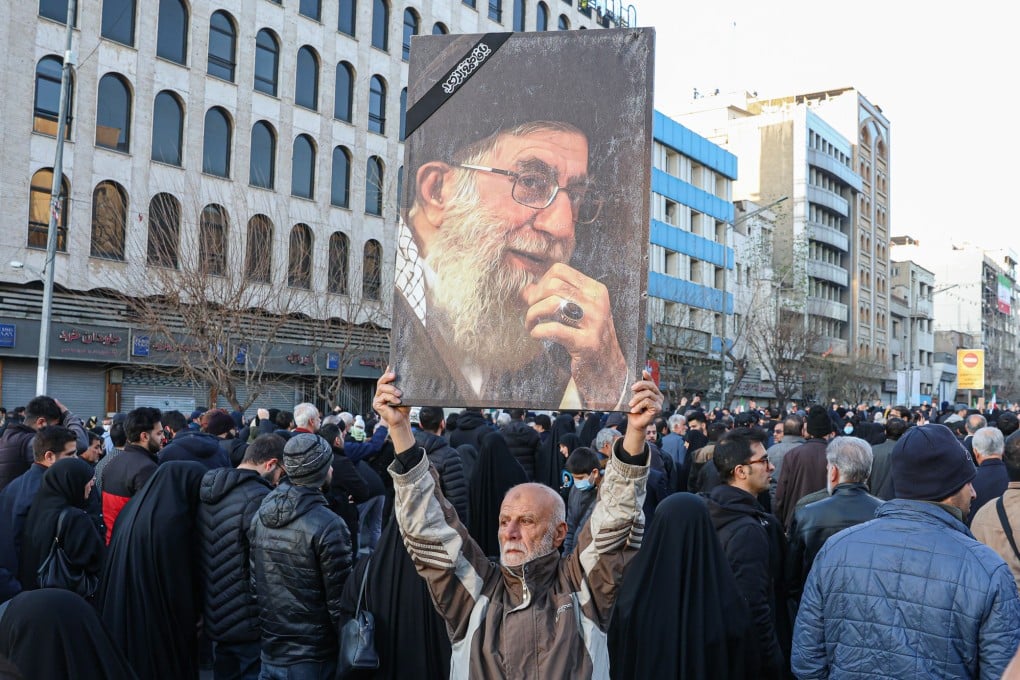
The conflict – triggered by US-Israeli strikes that killed Iran’s supreme leader and senior officials – is rapidly reshaping regional security calculations and global economic outlooks.
Here are five key developments that you should know about.
First US casualties reported as Trump warns of further losses
US President Donald Trump acknowledged the losses and warned that more could follow, saying military operations would continue. US Central Command said major combat operations remain ongoing.
Iran has launched ballistic missiles and drones at Israeli population centres and US military installations across the Gulf, expanding the confrontation beyond the initial decapitation strikes.
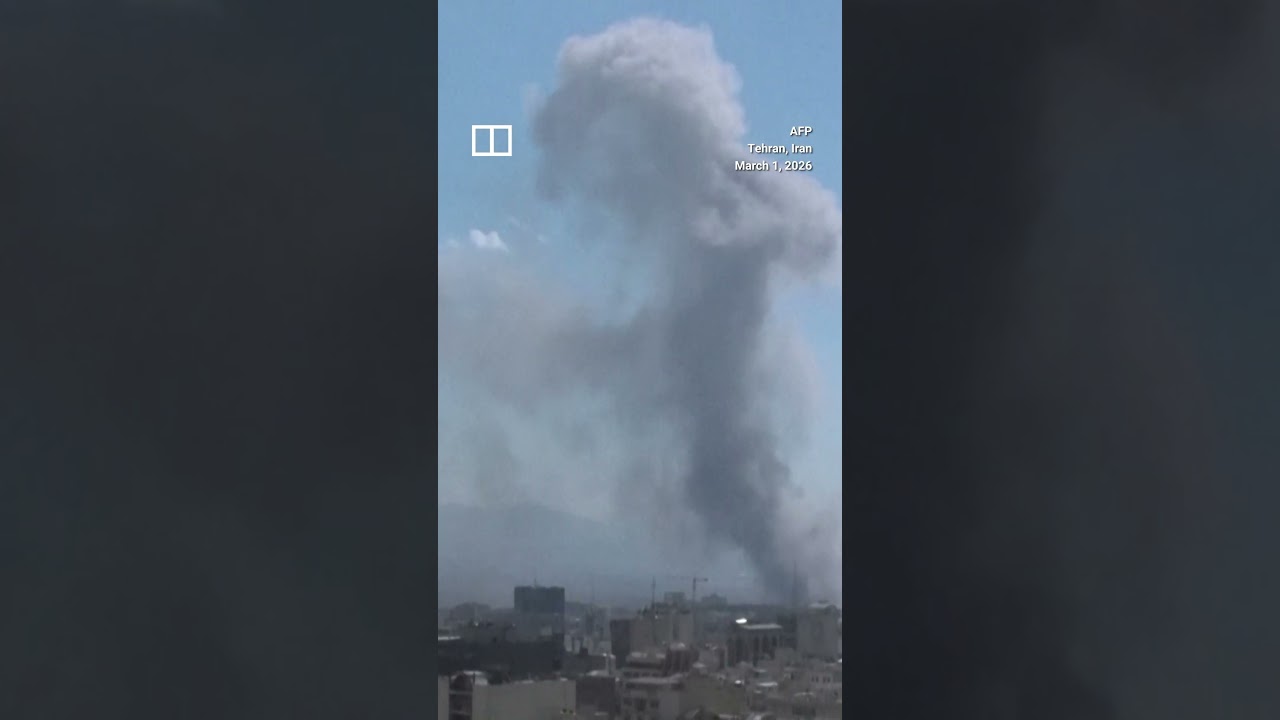
01:07
Israel launches air strikes on Iran for the second consecutive day
Britain authorises the limited defensive use of its bases
British Prime Minister Keir Starmer said he had authorised the United States to use British bases for a “specific and limited defensive purpose” aimed at intercepting Iranian missile attacks that could endanger civilians and British personnel.