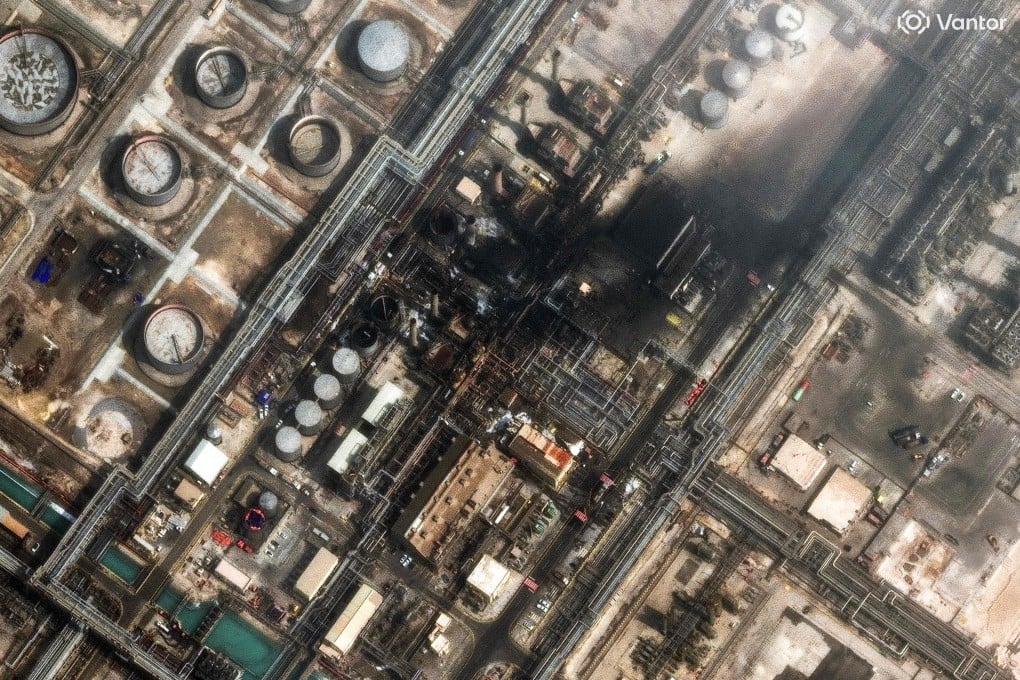
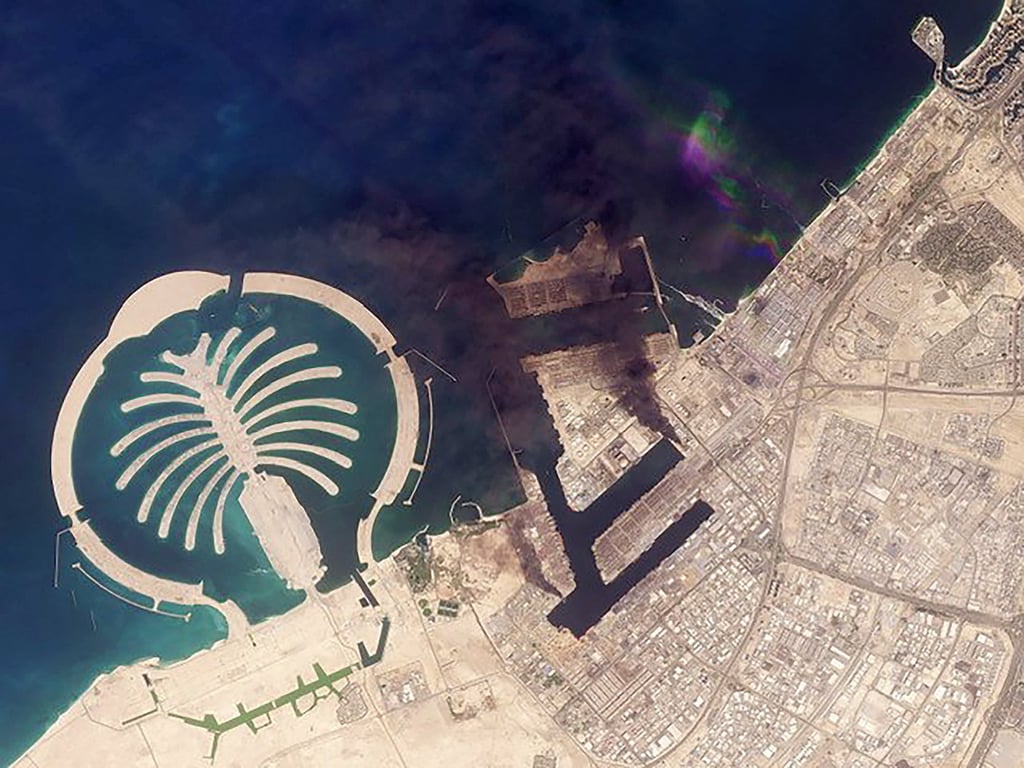
Since Iran came under US and Israeli attack on Saturday, its retaliatory missile and drone barrages have struck Saudi oil refineries, the world’s largest LNG plant in Qatar and the United Arab Emirates ’ trade and transit infrastructure.
Now the Gulf is signalling it has had enough of just absorbing the hits.
None of the six Arab monarchies of the Gulf Cooperation Council wanted this war, analysts say. They had spent months trying to mediate a way out of the confrontation, warning of precisely the kind of regional blowback now unfolding.
The destabilising fallout of “Operation Epic Fury” has badly shaken the GCC’s trust in Washington.
But Iran’s campaign has forced a harder question on Riyadh, Abu Dhabi, Doha and their partners: how long can a purely defensive posture survive a missile barrage?
‘Offensive defensive’
The clearest sign that the Gulf’s posture was shifting came not from a press conference but from an accident.