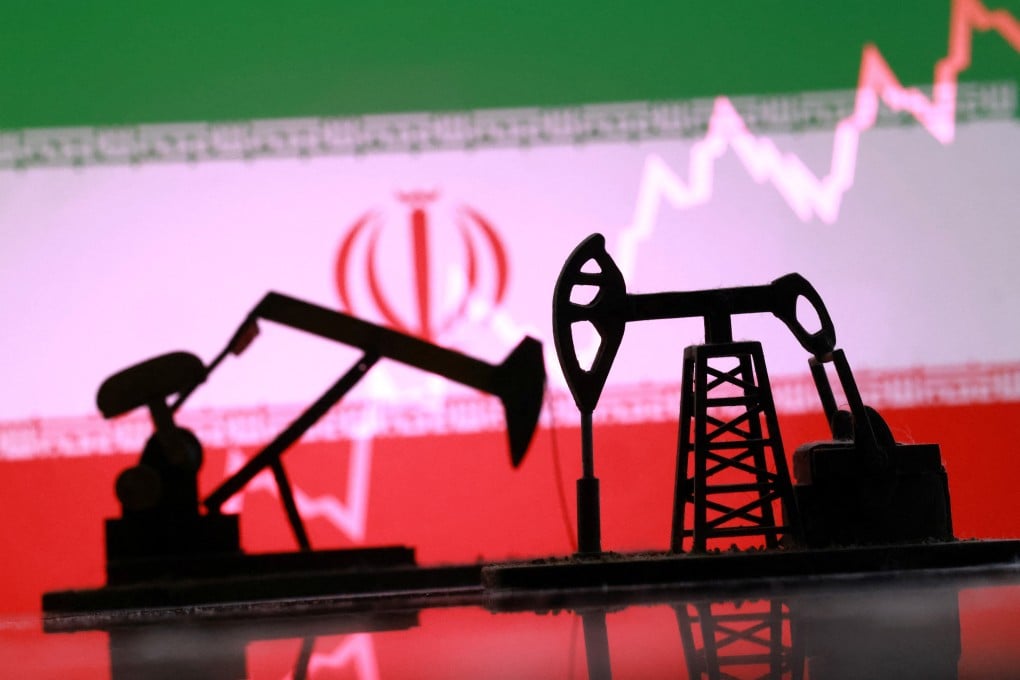
From Venezuela to Iran, a wave of military interventions by the United States threatens to disrupt China’s oil supplies – and could accelerate Beijing’s transition away from fossil fuels, according to analysts.
“Geopolitical tensions often serve as a reminder that heavy dependence on imported fossil fuels represents a structural vulnerability,” said Shen Xinyi, a researcher at the Centre for Research on Energy and Clean Air.
“In this context, renewables and energy storage are not only climate solutions but also critical infrastructure for enhancing energy autonomy and system stability,” she said.
On the same day, Qatar’s state-run energy firm halted LNG production, sending prices soaring, while Saudi Arabia shut down its largest oil refinery after it was struck by Iranian drones.