The audit said the transport ministry allowed 14 non-compliant localiser structures at eight airports to reduce earthwork costs
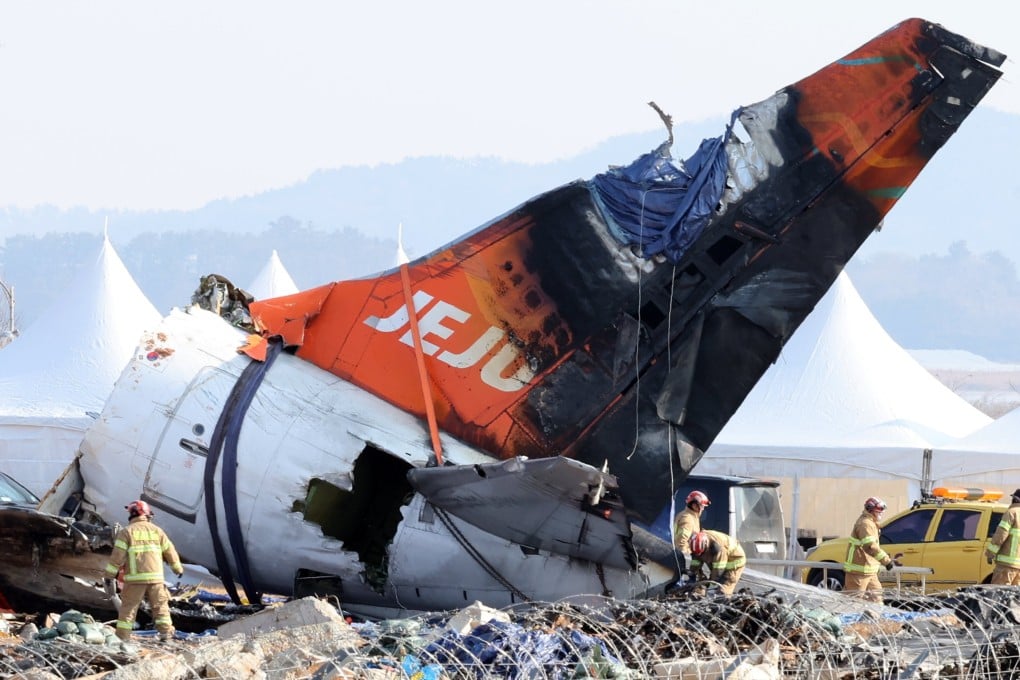
South Korea ’s transport ministry cut construction costs and approved improper airport safety structures for more than two decades, the state auditor said in a report on aviation safety management after a Jeju Air crash that killed 179 people.
The December 2024 crash involved a Boeing 737-800 which was struck by birds, belly-landed and overran the runway at Muan International Airport, killing almost everyone on board after it struck a concrete support for a localiser antenna. The only survivors were two flight attendants at the rear of the plane.
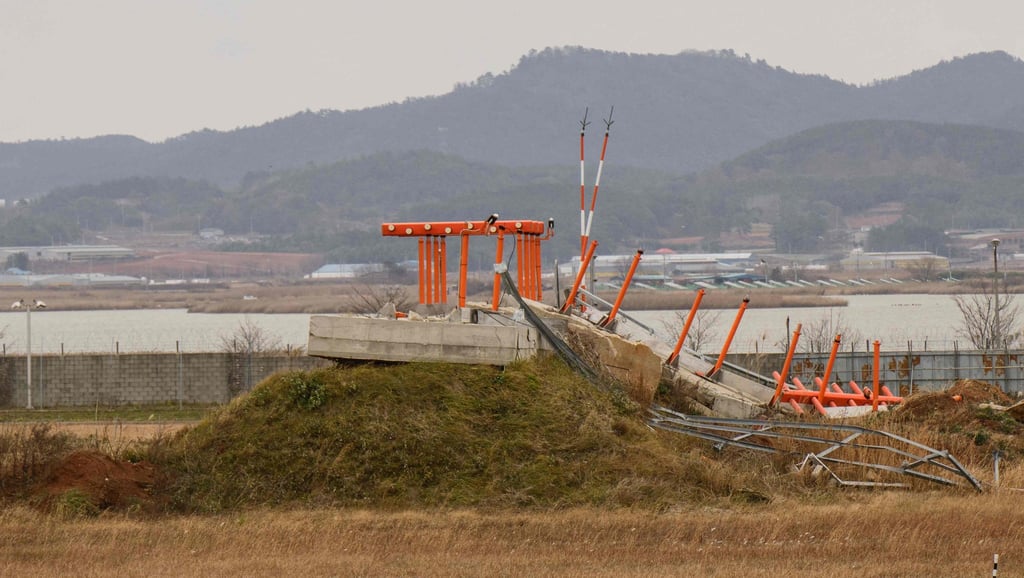
The Board of Audit and Inspection said in a report published on Tuesday that the ministry built a 2.4 metre (8 foot) high concrete embankment upon which to place the localiser – a landing guidance system – at Muan airport to reduce earthwork costs, without adequately reviewing relevant rules.
Under international standards, localiser structures should be designed to break apart easily upon aircraft impact.
The Ministry of Land, Infrastructure and Transport is responsible for airport construction. It hands operations to Korea Airports Corporation (KAC) but remains responsible for safety certification.