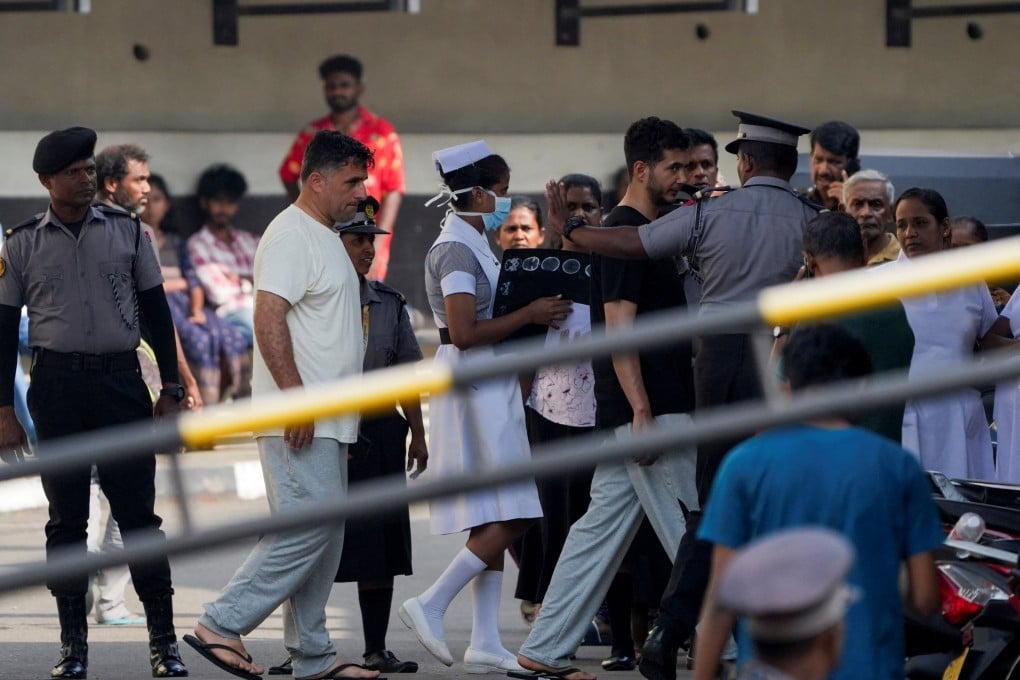
There are places in the world where you expect war to intrude. And then there are places where its arrival feels surreal.
It is a place I associate with holidays, with long evenings by the sea, literature and refreshing gin and tonics, rather than geopolitics. During the Covid-19 pandemic, I spent extended periods of time near Galle. Only last year, I returned to the internationally renowned Galle Literary Festival, where I had the pleasure of a public conversation with the distinguished human rights lawyer and author Philippe Sands.
Just off the southern coast of Sri Lanka, near Galle, the US sank an Iranian naval vessel, reportedly a frigate that had been transiting the region. US Defence Secretary Pete Hegseth publicly celebrated the strike as a successful military operation.