NVIDIA Pascal turns 10, from Tesla P100 to GeForce GTX 1080 Ti

NVIDIA’s Pascal GPU architecture officially turned 10 on April 5, 2026. The company first unveiled Pascal with the Tesla P100 accelerator at GTC on April 5, 2016, before the architecture later reached consumer graphics cards through the GeForce GTX 10 series.
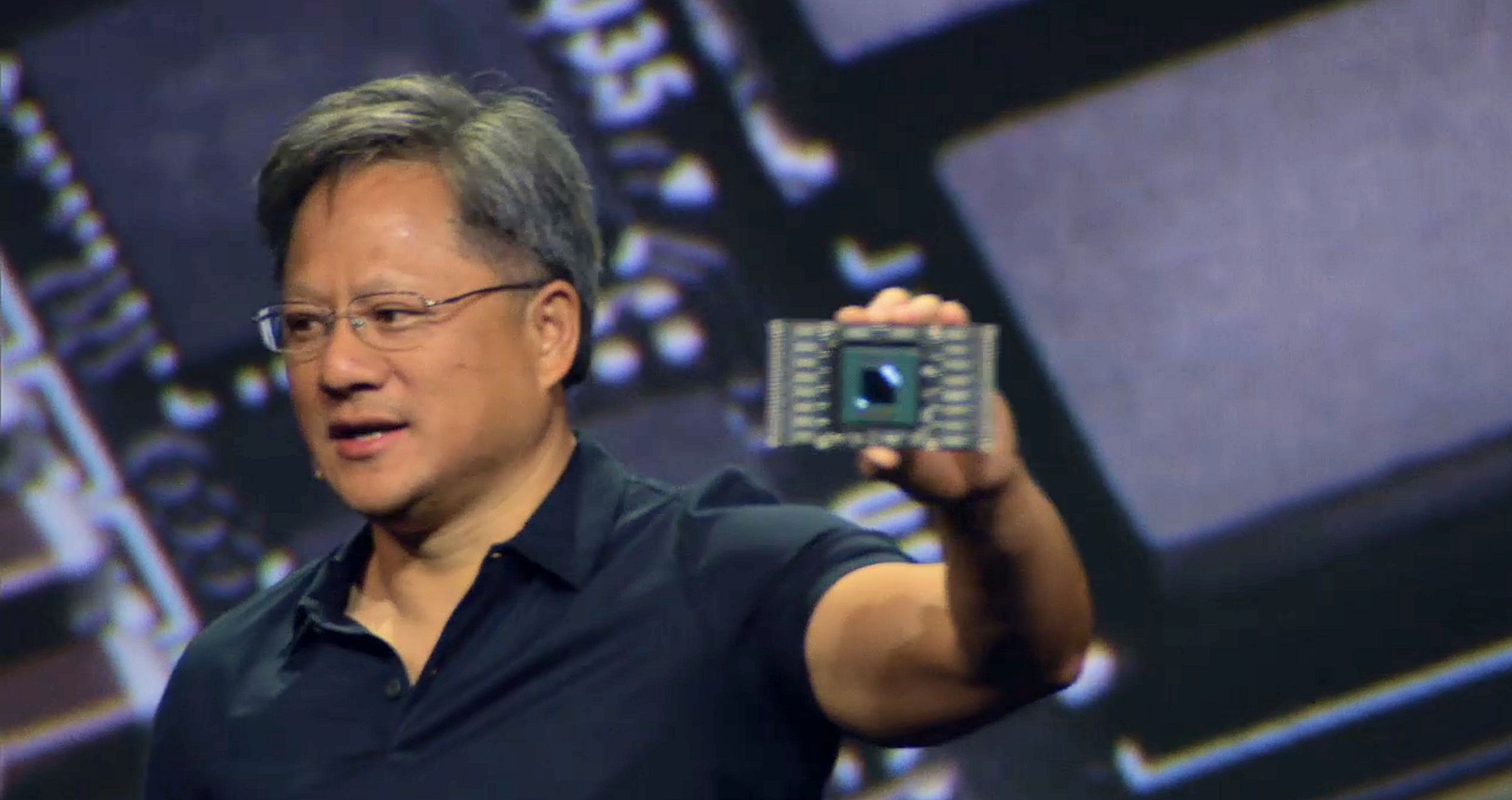
Pascal started as a data center product, not a gaming launch. NVIDIA described the architecture around five core technology changes, with Tesla P100 combining a 16nm FinFET GPU, HBM2 memory, and NVLink support. At launch, NVIDIA said the accelerator offered more than 12x higher neural network training performance than Maxwell-based solutions, which shows how early the company was already pushing AI and HPC as a long-term business direction.
The GTX 10 Series, first arch hit by crypto
For gamers, Pascal is remembered more for GeForce GTX 1080, GTX 1060, and later GTX 1080 Ti. NVIDIA announced GeForce GTX 1080 on May 6, 2016, $599 for partner cards and $699 for the Founders Edition. The GTX 1060 followed on July 7 at $249, and NVIDIA positioned it as a card delivering GeForce GTX 980-class gaming performance at 120W.
Source: NVIDIA
GTX 1060 and GTX 1080 Ti
The two cards that likely defined Pascal the most were GTX 1060 and GTX 1080 Ti. The GTX 1060 became one of the most widely used gaming GPUs of its era, and it still appears in Valve’s March 2026 Steam Hardware Survey. The GTX 1080 Ti arrived later, on February 28, 2017, with 11GB of GDDR5X memory and a $699 starting price, giving gamers a higher-end Pascal option that many still remember as one of NVIDIA’s strongest GeForce launches.
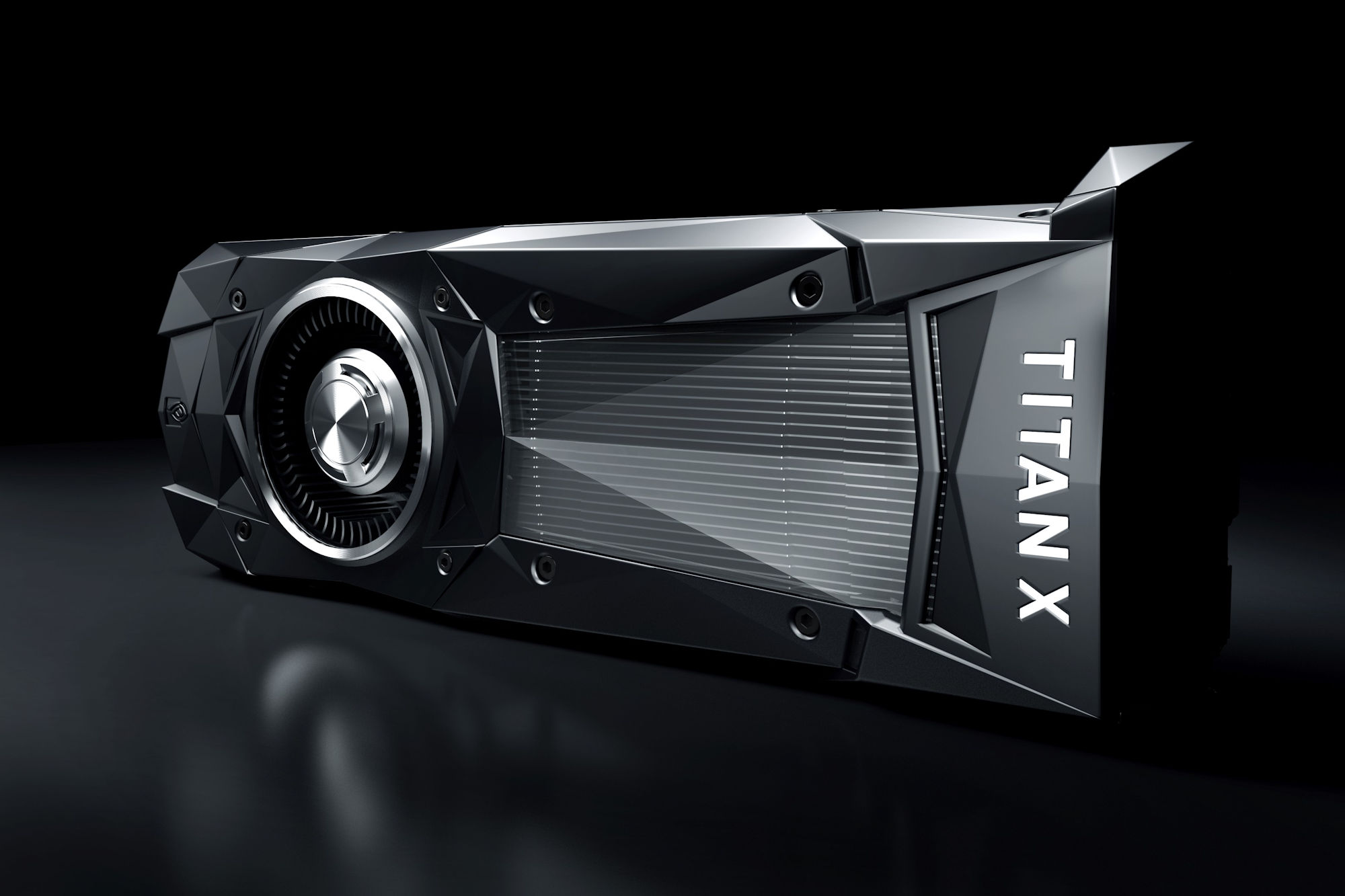
Pascal was the last major architecture that lacked AI and Tensor accelerators. It was the last architecture to focus solely on raw performance, before raytracing and upscaling became important. Pascal was also the first architecture that was hit by cryptocurrency mining, which contributed to higher prices by the end of the product cycle. NVIDIA even released special mining focused SKUs, which are listed below. This is the entire gaming GTX/TITAN family based on Pascal:


Source: NVIDIA
