Victor Lee is not the kind of man to leave behind his family without a reason, but the 34-year-old Filipino has done the sums and decided where life must take him next: Lithuania.
His wife does not want him to go. She will be left to care for their child, with a video call standing in for a husband, while Lee hauls cargo through the seaports of the Baltic. His paperwork is nearly done. He has finished his training as a heavy transport operator. He is going.
“It’s getting harder and harder to earn as a driver in Manila,” said Lee, who currently works as a driver for Grab.
He has promised his wife a deal: he will return as soon as there is enough money to build a house and start a business. She is, reluctantly, coming round.

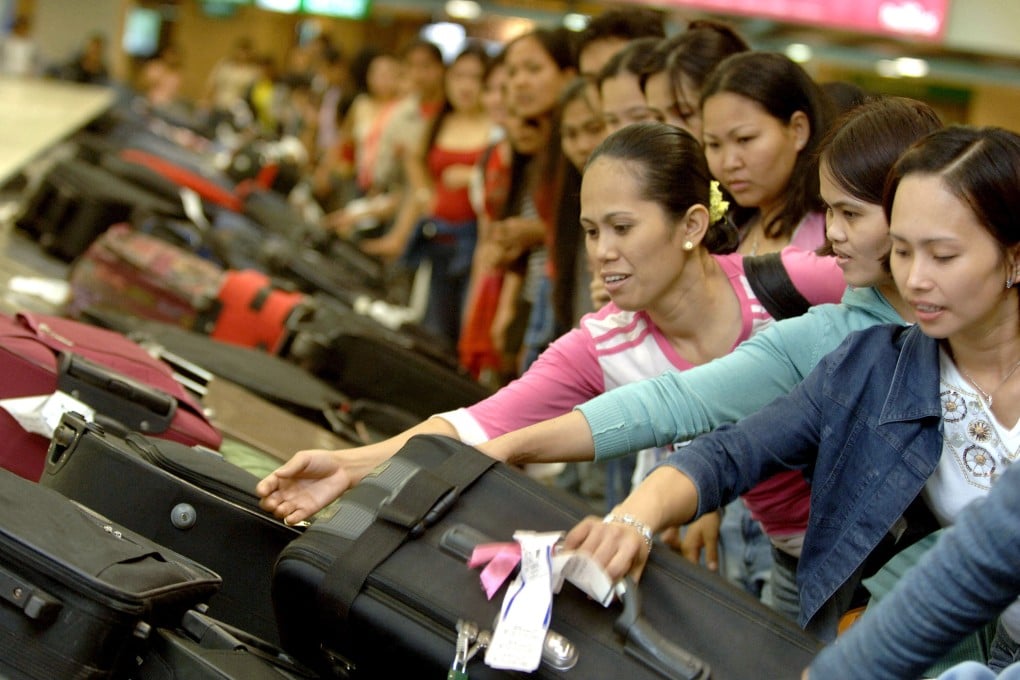
Lee’s decision to leave now, pay the personal cost and collect the reward later is one of the most well-rehearsed trade-offs in the Philippines . It has been made by millions of his compatriots across five decades – and the numbers suggest it is being made more than ever.