The latest deal sheds light on distinct strategies in a broader American policy of ‘distributed deterrence’, analysts say
3 -MIN READ 3 -MIN
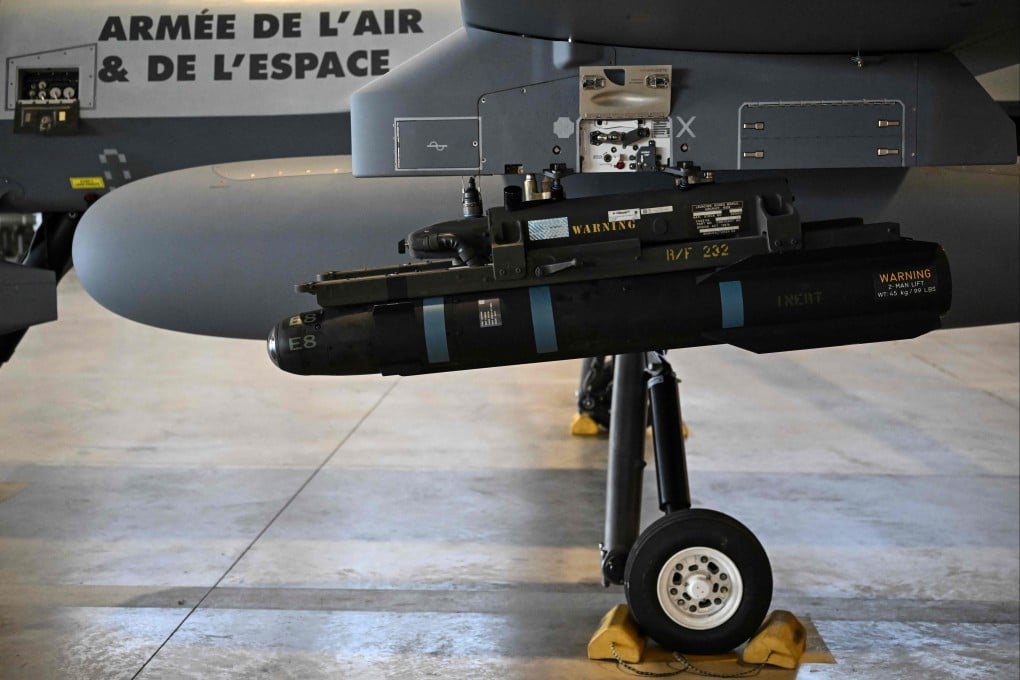
While observers say the sale is a routine purchase by the city state for training and to replenish an advanced arsenal, America’s language on the move signals a broader strategy to strengthen a network of US allies and partners while avoiding the optics of an “escalatory leap”.
On June 30, the department said it had approved the potential sale of 24 additional AGM-114R missiles and related equipment as well as the provision of support services, bringing the total to 67 such missiles for Singapore.
Hellfire missiles are precision weapons for air-to-ground targeting manufactured by American giant Lockheed Martin.
Singapore’s Ministry of Defence said in a statement on Wednesday that the ministry and the country’s armed forces took “a strategic long-term view on our defence acquisitions to ensure that we make prudent and cost-effective decisions that best meet our defence needs”. The missiles will be equipped on the Singapore Air Force’s AH-64D Apache helicopters.
Washington wants capable partners that can operate alongside US forces and assume greater responsibility for regional security, according to Vina Nadjibulla, vice-president of research and strategy at the Asia Pacific Foundation of Canada.