Cupertino, California, technology giant Apple warned in its 10-Q filing with the Securities and Exchange Commission (SEC) that it could face shortages of computing capacity when it comes to artificial intelligence and machine learning requirements. Apple's latest earnings report was notable for the firm outlining that supply chain constraints could affect its revenue growth in the current quarter. However, a deeper read of its SEC filings reveals that the firm is also concerned about the constraints in AI and machine learning computing infrastructure capacity.
In its 10-Q filing with the SEC, Apple added a section about components and computing resources, which could count as risk factors to its business. The firm started off by outlining that its decision to limit sourcing for components and parts to a select group of suppliers exposes it to pricing fluctuations and supply shortages, which could affect its revenue.
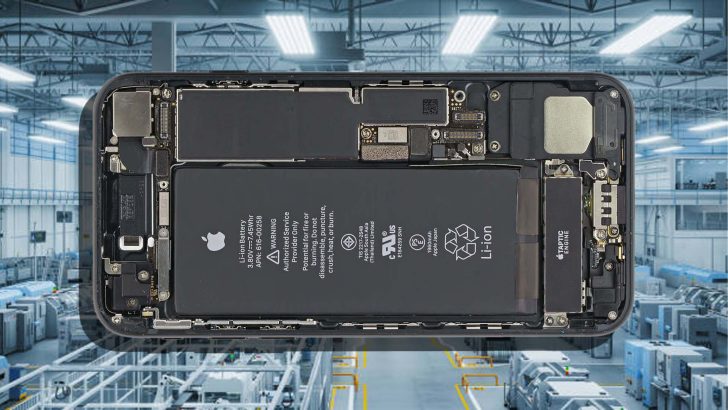
Apple specifically mentioned the ongoing shortage in the memory industry as it outlined that turmoil in the NAND and DRAM sectors "adversely affects the Company’s ability to obtain sufficient quantities of components and products on commercially reasonable terms, or at all."
The firm then shifts to discussing computing capacity for artificial intelligence and machine learning applications. Unlike hyperscalers and its big tech peers, Apple has restrained itself from spending heavily on AI infrastructure or software development. Instead, the firm has opted to rely on infrastructure from others, such as Google . In its filing, Apple admitted that its artificial intelligence and machine learning services depend "on access to sufficient computing resources."
The firm added that demand for this infrastructure had grown substantially and resulted in "constrained supply, extended lead times, and increasing costs." According to Apple, apart from its own computing infrastructure, it also relies on third-party infrastructure to meet its computing needs, and it may be "unable to secure sufficient capacity on commercially reasonable terms, or at all, to meet customer demand."
Consequently, the firm outlined that if it is unable to access sufficient capacity in time or at reasonable costs, then the functionality and availability of its products and services could be limited and the deployment of products and services could be delayed.
While Apple's big tech peers such as Google and Amazon have developed custom in-house AI chips to run AI software, details about Apple's hardware have been scant. The firm runs AI workloads through its Private Cloud Compute (PCC) ecosystem. On this front it made an important announcement in June when it revealed that it had worked with Google and NVIDIA to extend PCC to NVIDIA's chips via Google Cloud.
Follow Wccftech on Google to get more of our news coverage in your feeds.