An extreme cooling modification that includes two desktop CPU coolers meant to tame Intel and AMD processors was used to take a Snapdragon chipset’s performance to the limit. It’s certainly one of the craziest experiments, but one that nets near-100 percent performance stability in demanding benchmarks like the 3DMark Wild Life Extreme Stress Test and Solar Bay Extreme Stress Test.
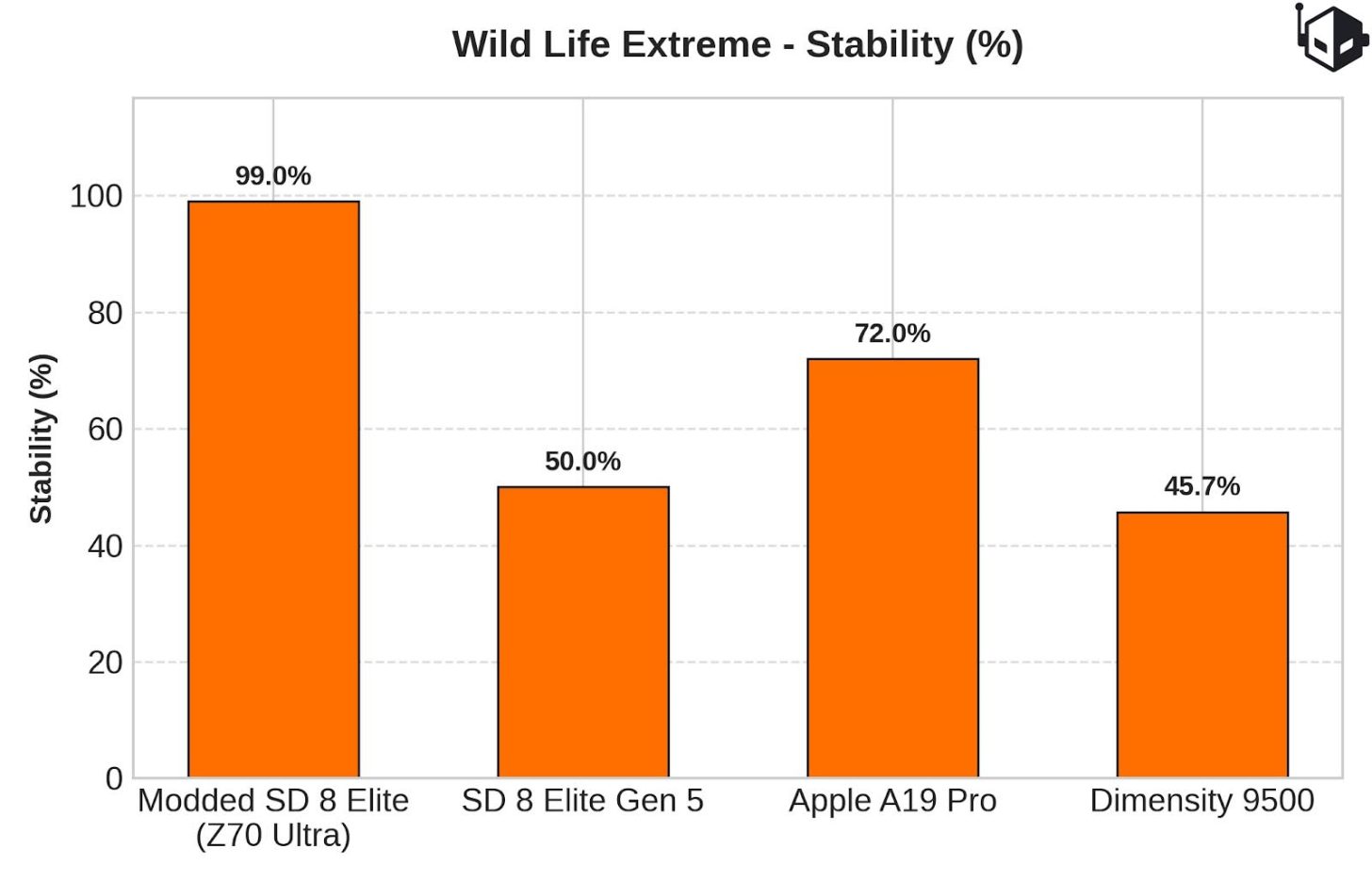
In a now-deleted post from Redditor “ntsow,” his ZTE Nubia Z70 Ultra with a previous-generation Snapdragon 8 Elite and 24GB RAM had two CPU coolers placed on the back and front of the smartphone to create an over-the-top solution that’ll tackle any benchmark thrown in its direction. Two of the most stressful programs to test a mobile device SoC’s mettle have been mentioned above, with results given in the charts and images below.
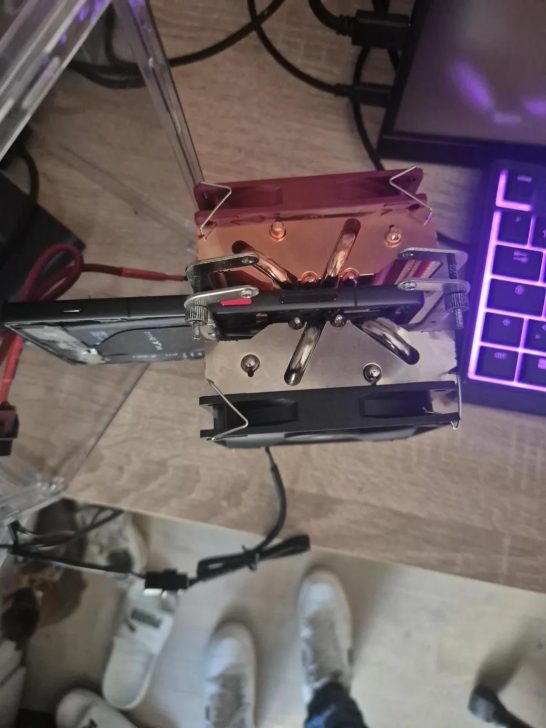
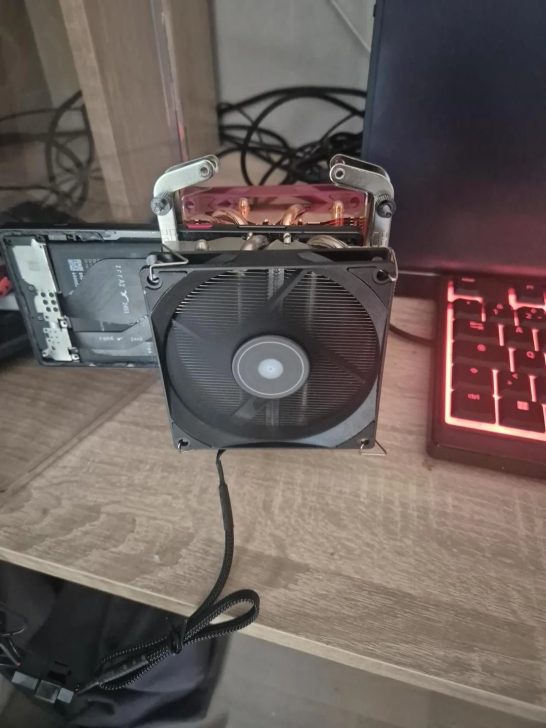
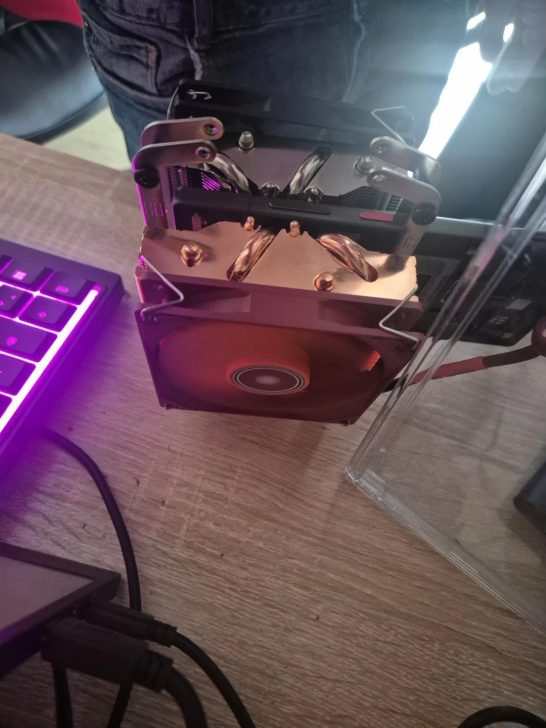
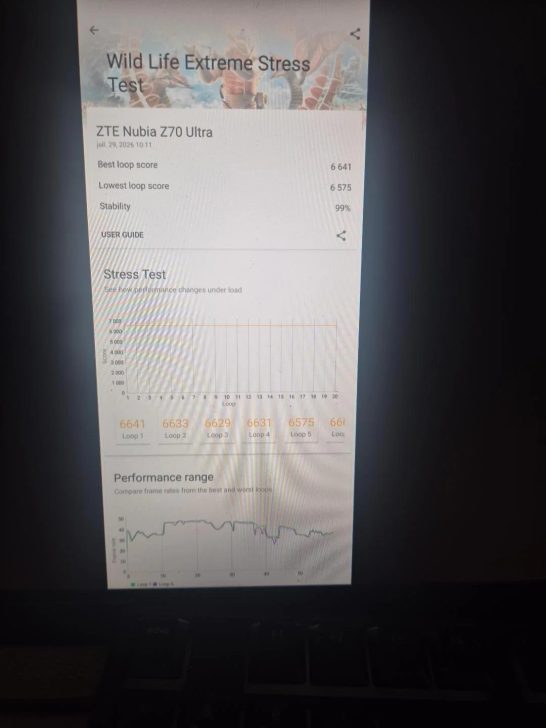
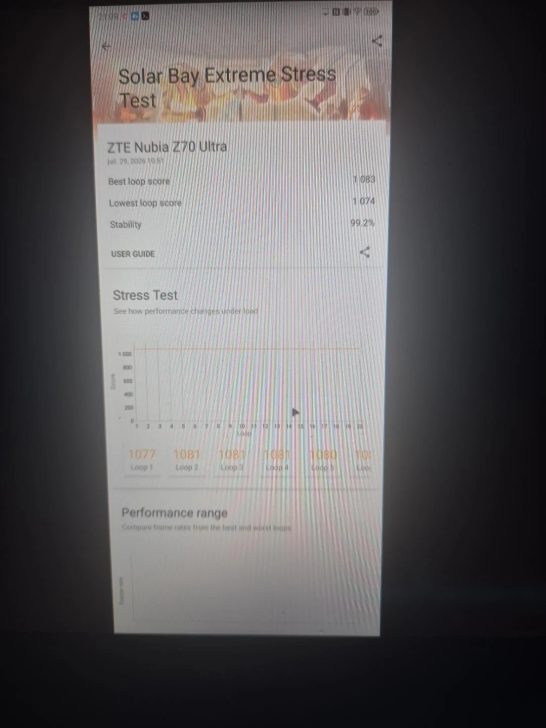
Unsurprisingly, the performance stability in the Wild Life Extreme Stress Test was 99 percent, with 99.2 percent achieved when running the Solar Bay Extreme Stress Test. In some of the results, the Snapdragon 8 Elite has effectively beaten the current flagship SoC family: the Snapdragon 8 Elite Gen 5 , Apple’s A19 Pro, and the Dimensity 9500 . If there was ever a time you wanted to break some benchmark records without resorting to extreme cooling methods like liquid nitrogen, here’s an alternative that you can try.
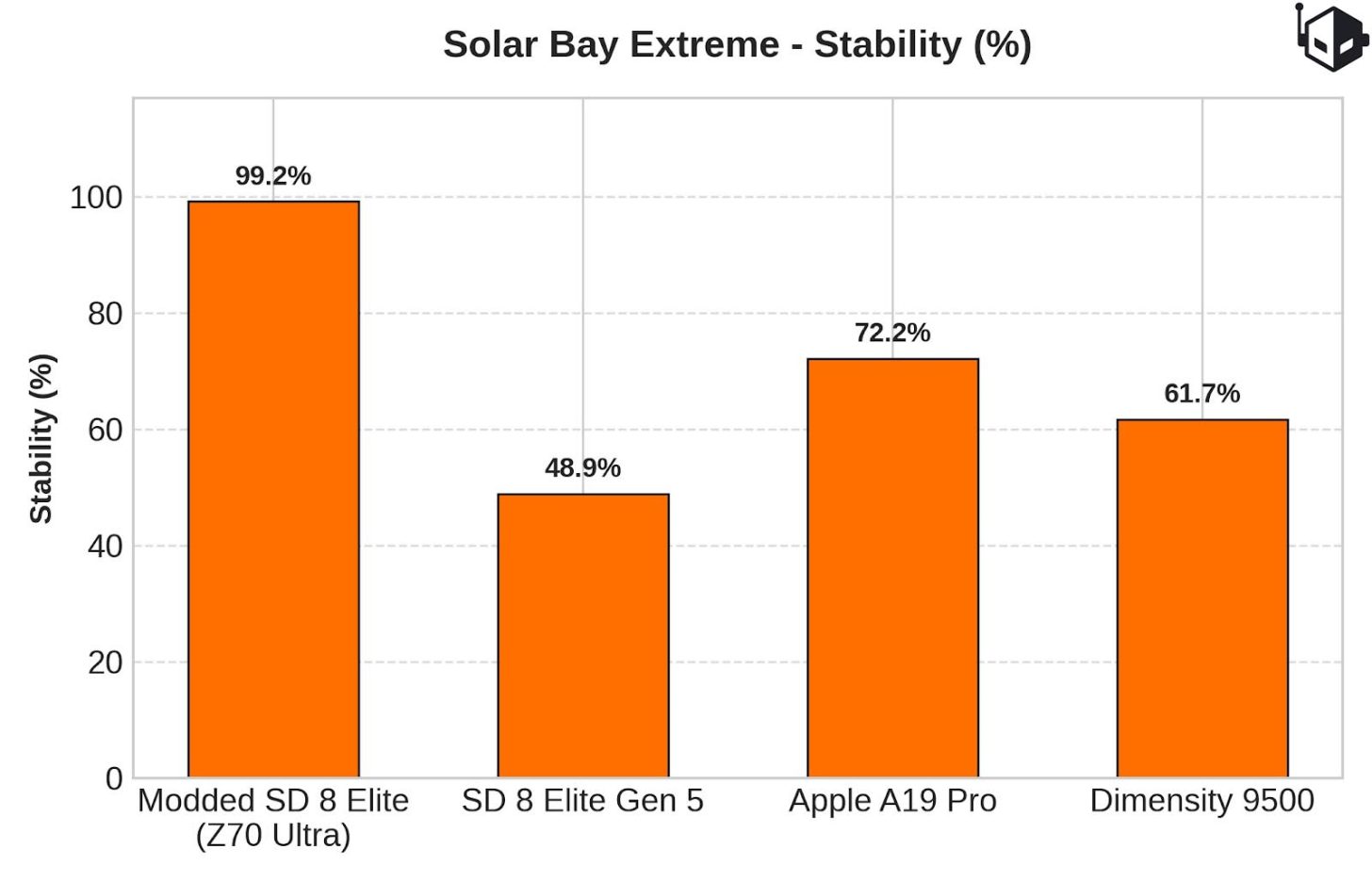
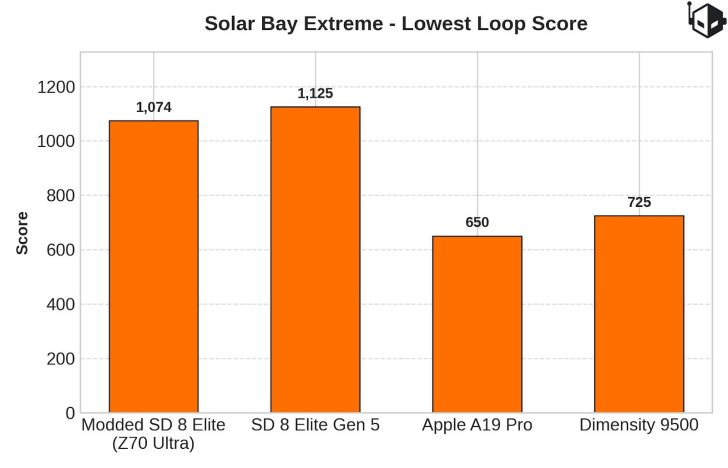
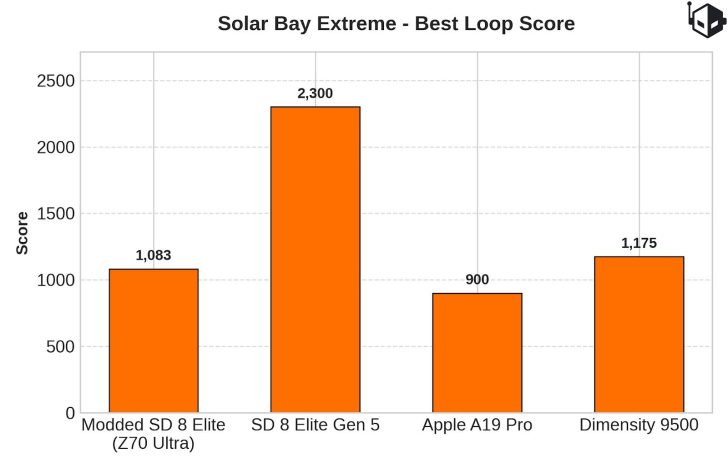
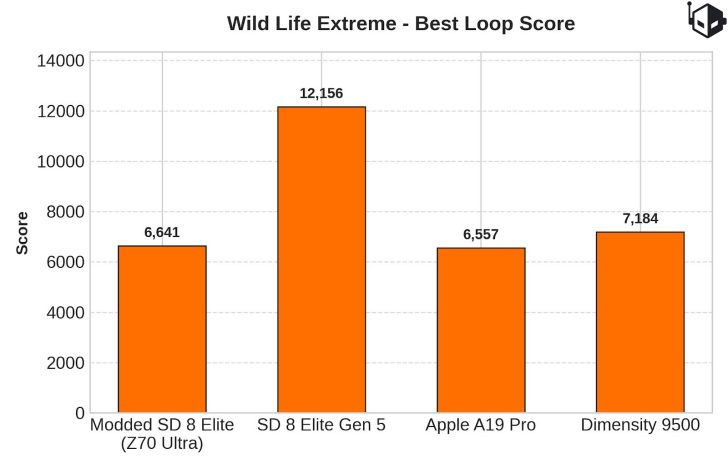
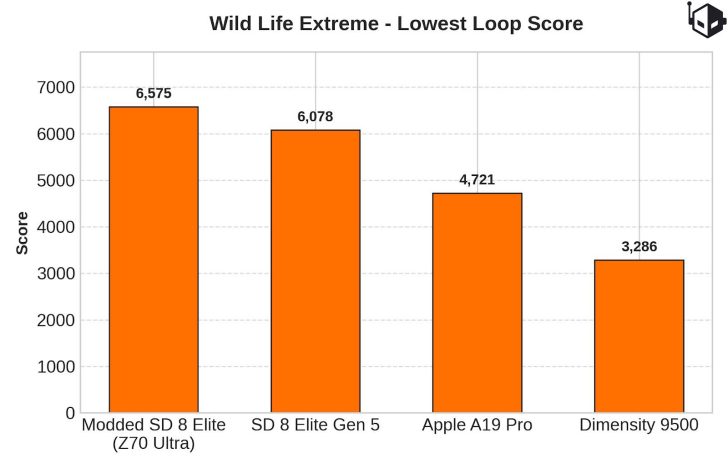
In 3DMark’s Solar Bay Extreme Stress Test, the best loop score was 1,083, followed by the lowest loop score of 1,074. In the Wild Life Extreme Stress Test, the Snapdragon 8 Elite achieved a best loop score of 6,641, with the lowest loop score being 6,575. A similar modification was applied to the iPhone 17 Pro Max, with a multitude of beefy SSD heatsink coolers attached to the backside of the flagship. As expected, the device achieved 90 percent stability in 3DMark’s Steel Nomad Light.
News Source: Reddit
Follow Wccftech on Google to get more of our news coverage in your feeds.