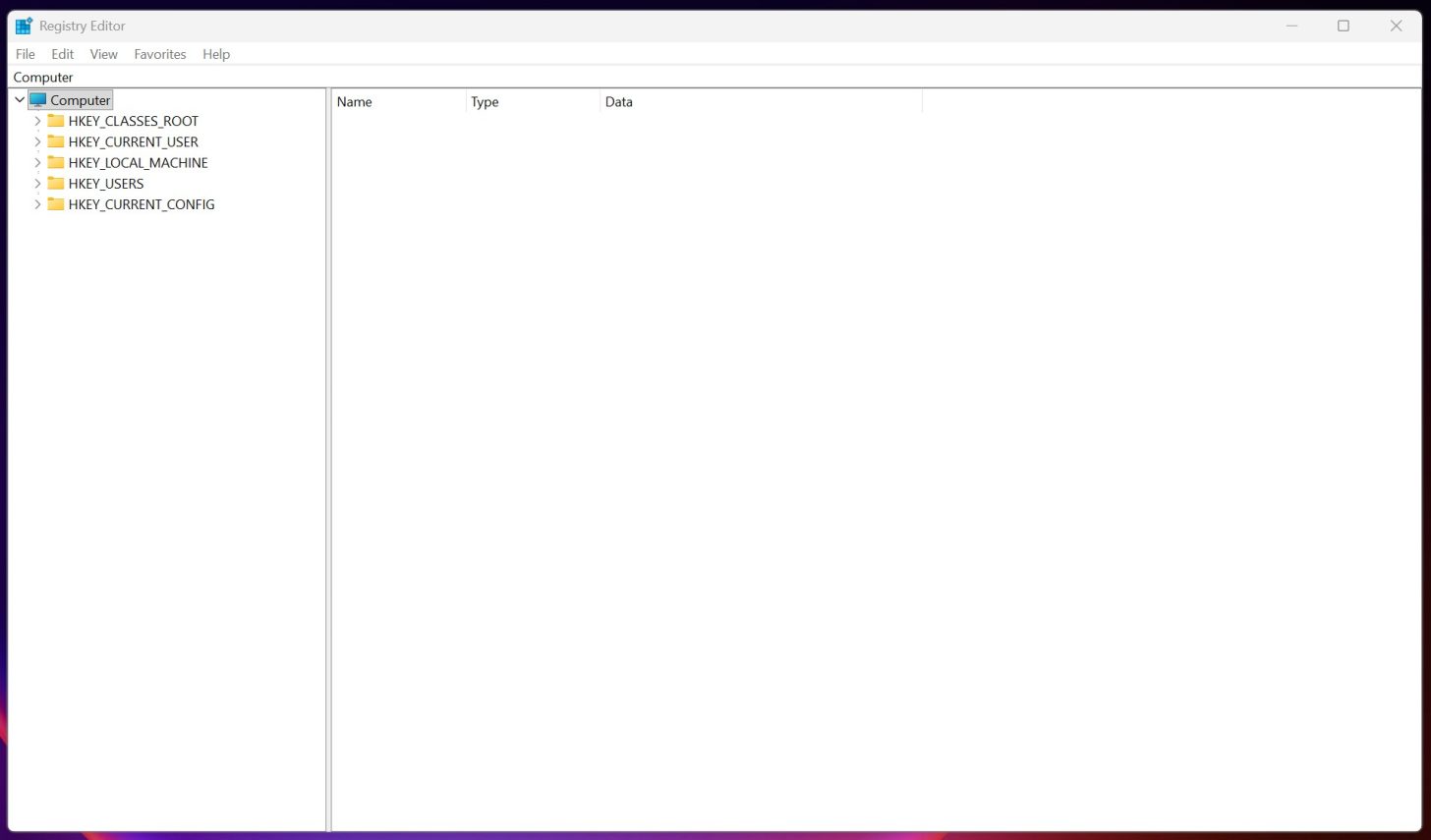
Some of Windows 11's tools, like Control Panel, File Explorer, Registry Editor, and others, look unchanged from Windows 10 and Windows 7. Seeing as these lack of changes look out of place for a modernized OS, a Microsoft executive explains why it’s taking so long for the company. It’s not that the software giant doesn’t want to incorporate a change, but it wants to ensure that functionality is maintained.
Corporate Vice President of Design and Research Marcus Ash sat down on a Windows Central Podcast to discuss the lack of UI and visual changes made to Windows 11 tools like the ones mentioned above. The first aesthetics shift arrived with Windows 8, but fast-forward to more than a decade, and things largely remain the same. Ash states that this decision is due to Microsoft taking pride in compatibility with legacy tools and workflow, and that it simply cannot rush towards making modern adjustments while maintaining functionality.
“That's why things like Control Panel get tricky, because if a customer has a driver or has something that depends on that legacy functionality, we just have to be careful about not breaking that compatibility promise. When we finally get things in Settings, we will then deprecate places say in Control Panel where we don't need that function anymore, we can carry it forward.”
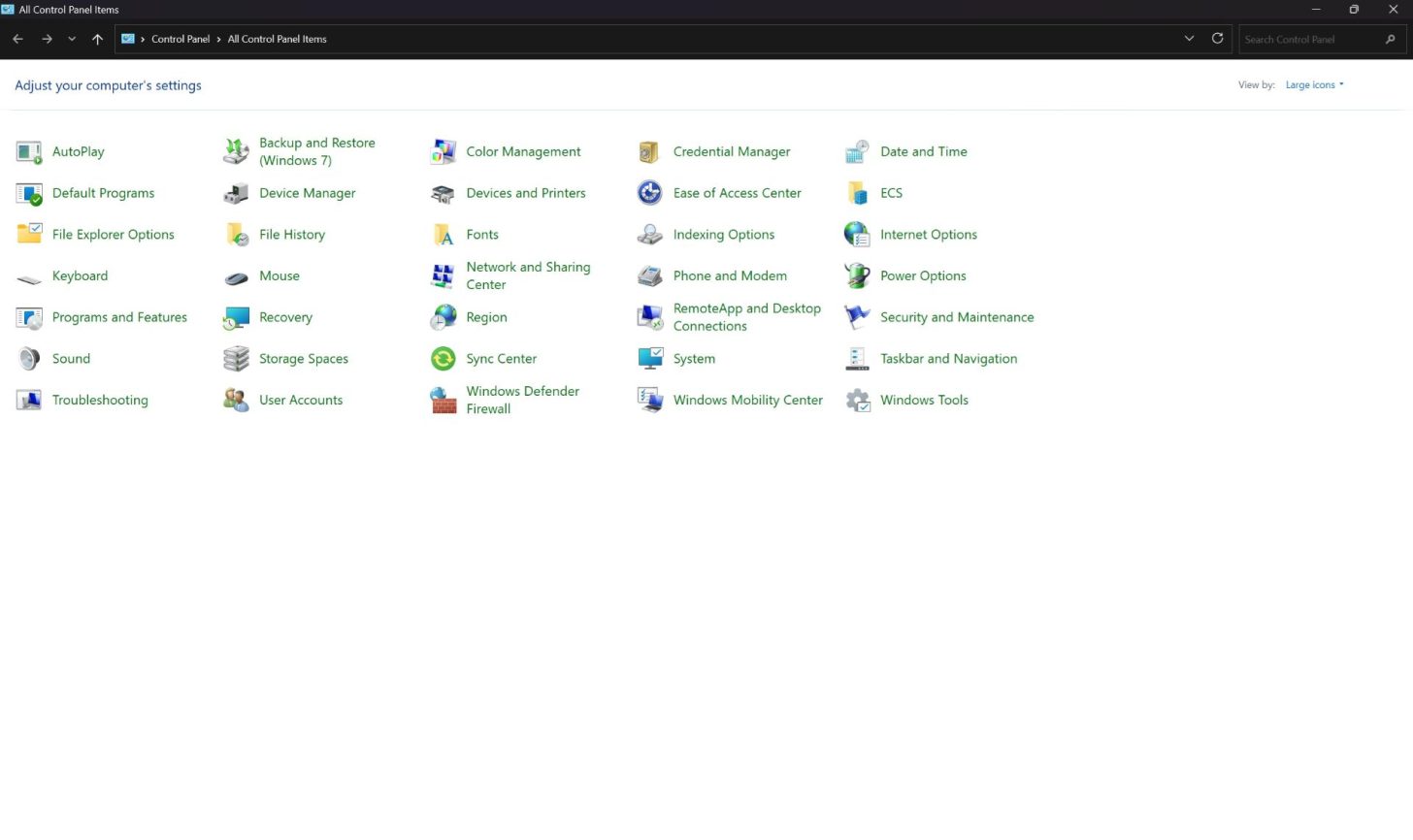
Ash also mentions that legacy support in Windows 11 is one of its key strengths and that Microsoft is figuring out a way to modernize legacy apps while maintaining the same functionality and support. As for how Microsoft will choose what to change from the UI and what to maintain, Ash says that usage, telemetry, and feedback will be the signs to look out for.
“We look at user journeys. Like if you were to look at File Explorer and you were to think about all the functions that happen in File Explorer, we then look left-to-right and say, okay, for this particular dialogue, where did the user start and where does the user end? So it's not just pick one dialogue, it's pick the full user journey of the things that the customer is trying to do.”
The Microsoft executive says that even the Registry Editor, which is used to tweak a lot of stuff on Windows 11, such as enabling features that were thought to be unavailable on the platform, will one day appear modern without giving up on its core functionality. Ash stated that “we’re already starting to take a look at and figure out: how would we attack this problem so that we keep a compatibility promise AND we can modernize these frameworks.”
Microsoft’s goal appears to be making Windows 11 more enjoyable to use. Earlier, the President of Windows and Devices, Pavan Davuluri, confirmed that the company will make it optimized for 8GB RAM systems , which is thoughtful, considering how expensive RAM has become. As for the modernization change, just as long as compatibility or workflow doesn’t break or get interrupted, we’re all for it.
News Source: Windows Central
Follow Wccftech on Google to get more of our news coverage in your feeds.