The switch to the LPCAMM2 form factor has allowed companies like Framework to introduce modular memory that not only consumes less power but delivers increased speeds without worrying about getting a soldered package. However, that modularity comes at a price when compared to the M5 MacBook Pro , which relies on soldered RAM but boasts 39 percent faster bandwidth, leading to a performance disparity in various AI workloads.
Just because the Framework Laptop 13 Pro and the M5 MacBook Pro ship with the same LPDDR5X memory doesn’t mean they run at the same speeds. The LPCAMM2 advertised by Framework operates at 7,467MT/s, making it slower than the 9,600MT/s speeds belonging to the M5 MacBook Pro’s soldered memory. YouTuber Alex Ziskind later runs the STREAM memory benchmark to show the differences between each system with LPDDR5X memory.
Coming to the M5 MacBook Pro first, it obtains a result of 136,000MB/s, whereas the modular Framework notebook comes in at a much slower 97,775 MB/s bandwidth. Strangely enough, Ziskind says that the difference is due to the soldered memory in the portable Mac, but it’s actually due to the specified speeds of LPDDR5X memory. The performance won’t be affected depending on whether this RAM is baked into the logic board or bundled in an LPCAMM2 form factor.
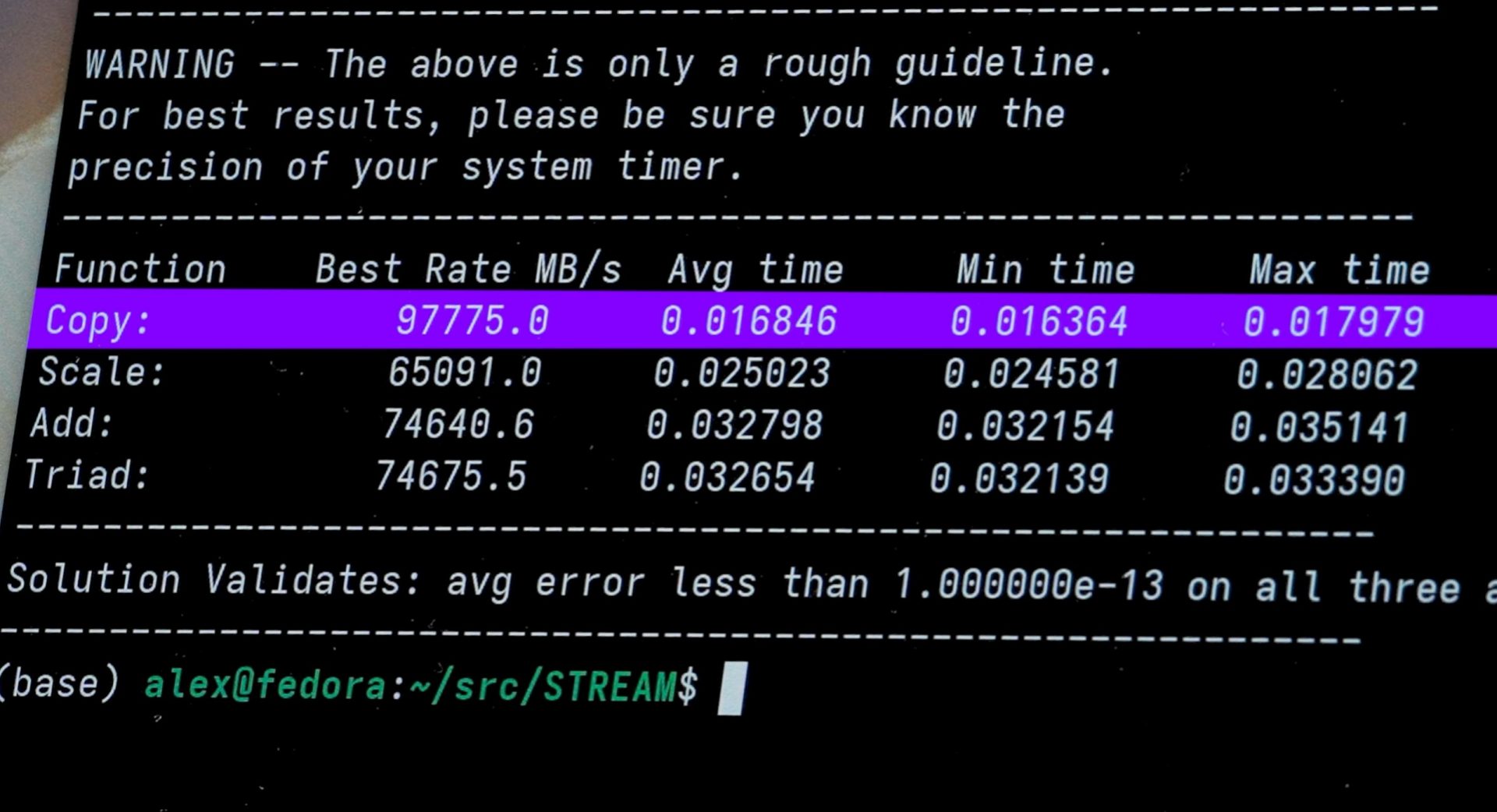
If Framework decided to equip the Laptop 13 Pro with LPCAMM2 RAM running at 9,600MT/s, we could see similar results. After all, Samsung’s LPCAMM2 modules with the aforementioned speeds have been spotted previously, but obtaining them has more to do with the difficulties of Framework’s supply chain than anything else. If the same AI model is running on both machines, the M5 MacBook Pro’s token generation speeds will undoubtedly be higher.
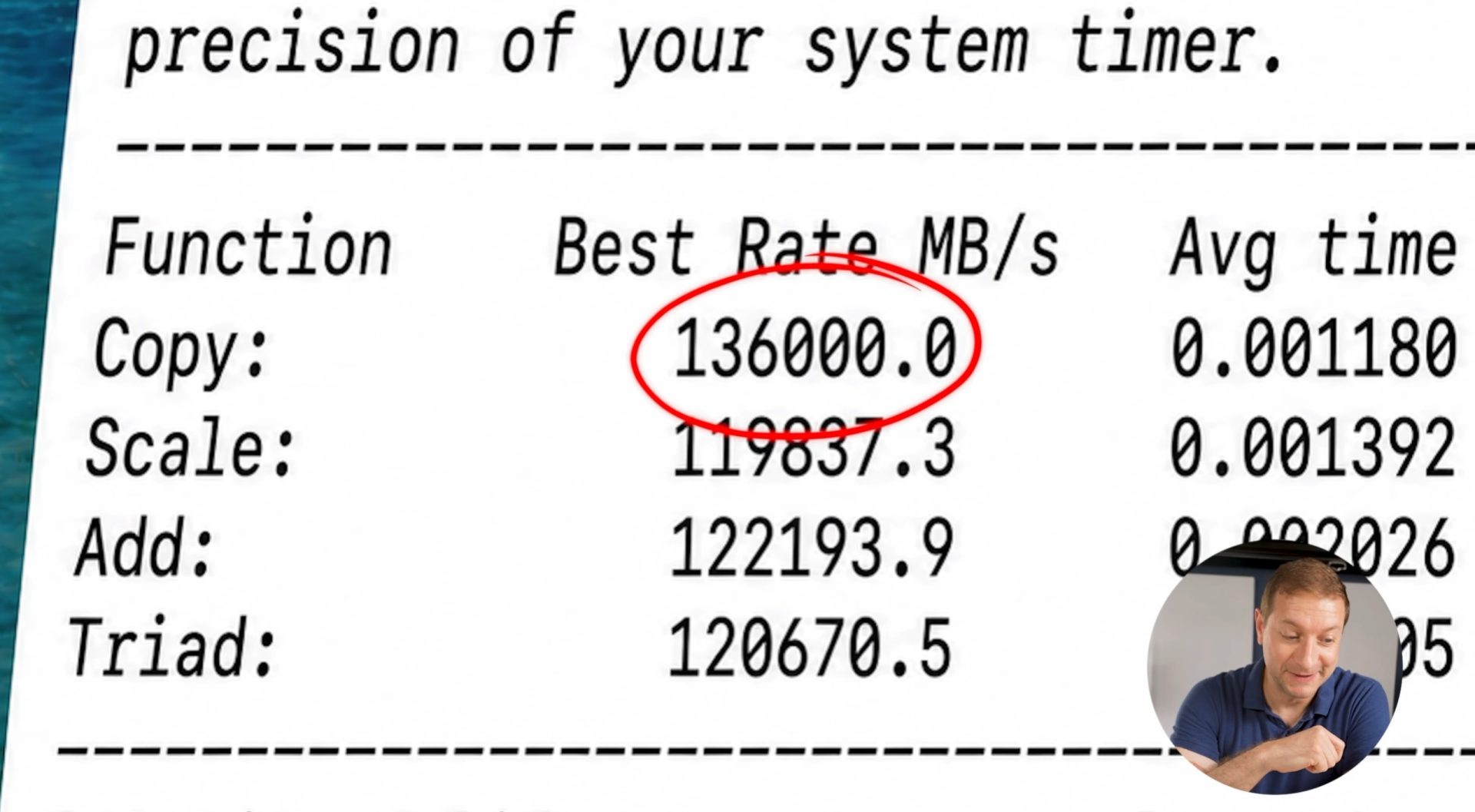
Unfortunately, soldered RAM means that you’ll be stuck with the same configuration, locking you out of running the beefier AI models. That’s the advantage that Framework’s Laptop 13 Pro has, giving users the chance to run high-quality AI models, even if it means that the RAM upgrades will be outrageously expensive. Also, when the first 9,600MT/s LPCAMM2 modules arrive, that’ll put Framework Laptop 13 Pro owners at a bigger advantage.
News Source: Alex Ziskind
Follow Wccftech on Google to get more of our news coverage in your feeds.