SpaceX's Founder & CEO, Elon Musk, has said that the company has committed to using NVIDIA GPUs exclusively.
Well, it looks like SpaceX has decided to use NVIDIA's GPUs exclusively to power its AI needs. In its latest earnings call, Elon Musk confirmed that NVIDIA's latest Vera Rubin platform will be used at SpaceX data centers for AI workloads, with deployments spanning across the globe and also in space.
The NVIDIA Vera Rubin NVL72 rack, codenamed Kyber, will be the one powering SpaceX's AI data centers. Initially, a total of 2GW of compute capacity will be installed by this year's end, and a total of 10 GW of capacity is expected to come online by the end of 2027. This marks a big win for NVIDIA as it continues to gain major deployments for its Vera Rubin platform across big names in the AI cloud provider segment.
More interestingly, the fact that SpaceX is already citing deployments in Earth's orbit is the bigger part of the story. NVIDIA has already announced its Space-certified Space-1 Vera Rubin module . It offers four Rubin GPUs, two Vera CPUs, and a hefty amount of memory.
Some features of the NVIDIA Space-1 Vera Rubin module include:
- Performance: The module offers up to 25 times the AI compute capability of the previous H100 GPU for orbital workloads.
- Purpose: It enables real-time AI processing for geospatial intelligence, autonomous operations, and on-orbit analytics.
- Architecture: It utilizes the same "Vera Rubin" architecture as NVIDIA's terrestrial chips for a unified development ecosystem.
- Partnerships: The hardware is planned for use by firms such as Aetherflux, Axiom Space, and Planet Labs.
- Application: It is intended for satellites and on-orbit servicing vehicles requiring high-performance AI inference in space.
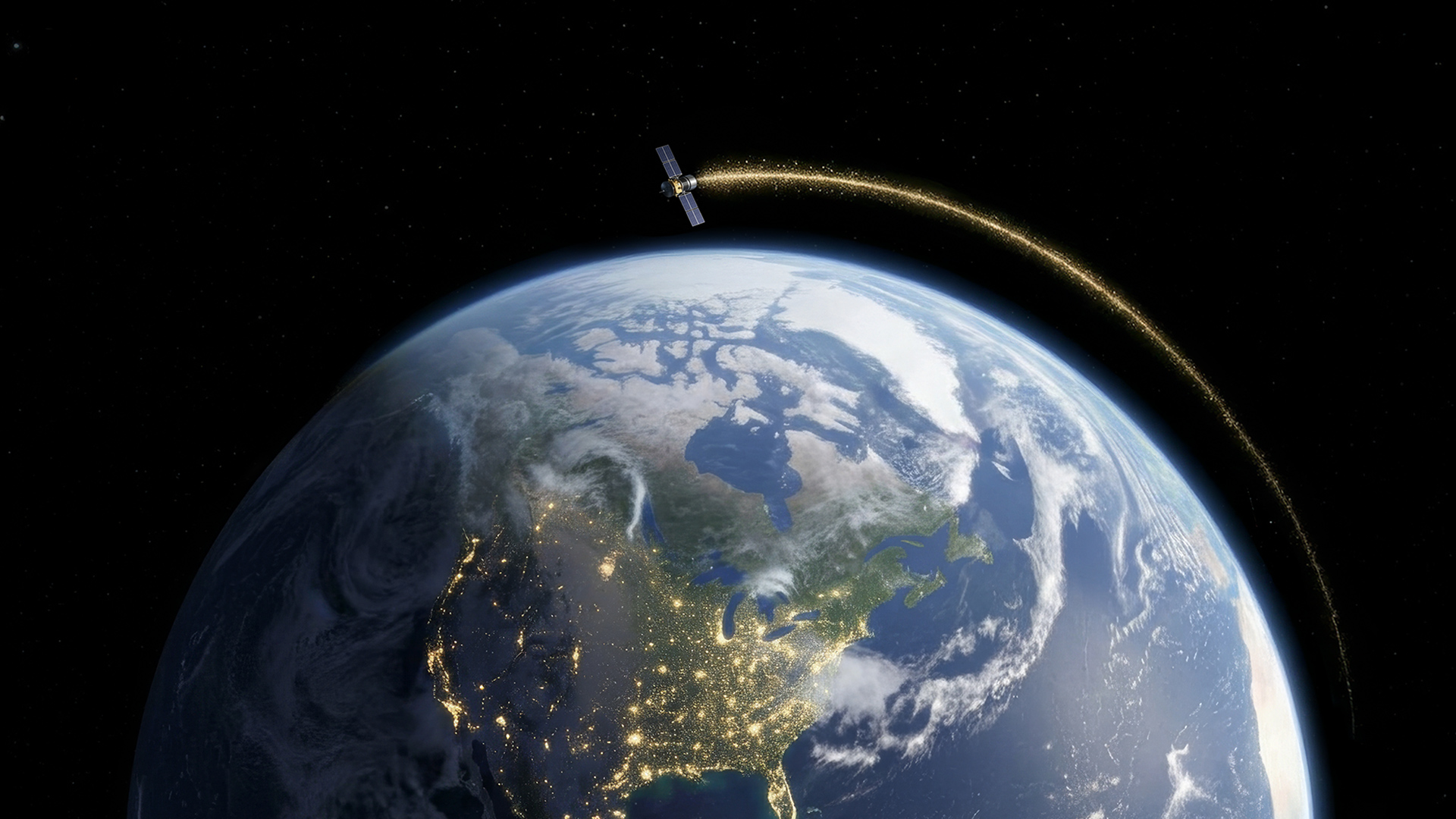
Previously, SpaceX had announced a partnership with Anthropic to build a multi-Gigawatt "Orbital" AI data center . SpaceXAI also believes that an orbital compute installation will address some of the major bottlenecks of terrestrial-based systems, such as Power, Land, and Cooling.
With unlimited power and cooling, AI chips will then become a major bottleneck . Another bottleneck can arise from deliveries to space itself, as the reliance on commercial "outer space" shipments to move many hundreds of thousands of GPUs will be a task in itself. But at the pace at which AI is moving right now, the outer space AI Datacenter dream is far from a dream and is aiming to become a reality very soon.
Follow Wccftech on Google to get more of our news coverage in your feeds.