MSI is the latest NVIDIA AIB partner to increase the prices of its graphics cards due to ongoing DRAM shortages.
If you had been following our reports on the ongoing memory shortages and PC component price hikes , you'd know that the situation is going to get far worse in the coming months.
The previous report highlighted a major price increase across all brands at the end of July in China. Even domestic Chinese consumers were shocked at the extent of these price hikes, and more recently, AIBs officially announced further price bumps for the month of August.
ASUS & Gigabyte are among the first graphics card manufacturers to announce their price increases to distributing partners, and now, others are following suit. Today, MSI has made it official that its graphics products will see up to 20%+ price increases due to memory shortages.
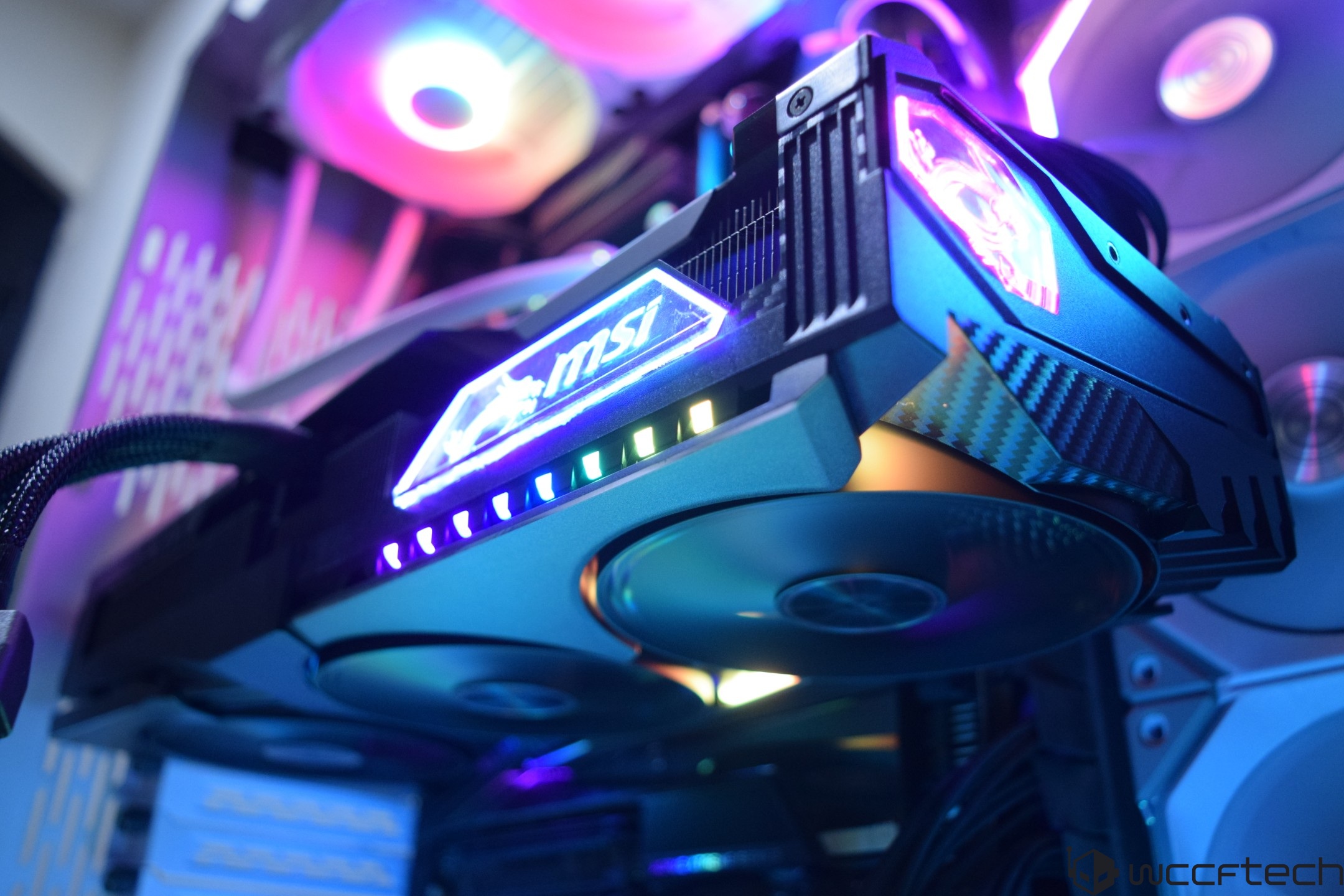
Based on the information quoted by Board Channels, all models from the RTX 50 series to the RTX 30 series will be affected. MSI doesn't officially list the 5090 D V2 (24 GB), but the 5080 will see up to a 2100 RMB jump or $300+. The RTX 5070 Ti will see a jump of up to 1350 RMB or $200. The RTX 5060 Ti 8 GB and RTX 5060 will see a $90-$100 US bump, while the RTX 5050 will jump by up to $80.
ASUS Graphics Card Price Hike Statement:
The Asus graphics card factory implemented the latest director price adjustment policy, which raised prices across all models, and the increase was also quite high, according to the increase of approximately 20% by NV. The director price adjust policy implemented in August compared to July was disclosed in detail as follows (table below)
Gigabyte Graphics Card Price Hike Statement:
Yesterday, the graphics card factory officially implemented the latest urban pricing policy, which covers all models in August compared to July, and the increase is about 20%. The basic urban pricing adjustment policy of the factory in August disclosed as follows (table below)
MSI Graphics Card Price Hike Statement:
MSI graphics factory to implement the latest agent price system, covering all models of comprehensive price increases, the rise is also quite high, but also in accordance with NV about 20% or more of the price increase. The microstar graphics card factory officially implemented a new agency price in August, and the details of the price adjustment compared to July are disclosed as follows (table below)
via Board Channels
All of these are significant price increases, and given that most memory makers have already said that DRAM shortages are going to intensify in 2027 and 2028, it looks like there's no relief in sight for regular PC builders and gamers.
| GPU / Series | Manufacturer | Price Increase (CNY) | Price Increase (USD) |
|---|---|---|---|
| RTX 5090 DV2 | ASUS | 4500 | 667 |
| RTX 5090 DV2 | Gigabyte | 4000 | 593 |
| RTX 5080 / 5070 Ti | MSI | 1350–2100 | 200–311 |
| RTX 5080 / 5070 Ti | ASUS | 1500–1700 | 222–252 |
| RTX 5080 / 5070 Ti | Gigabyte | 1400–1500 | 207–222 |
| RTX 5070 / 5060 Ti 16 | MSI | 1000–1400 | 148–207 |
| RTX 5070 / 5060 Ti 16 | ASUS | 1000 | 148 |
| RTX 5070 | Gigabyte | 1000–1050 | 148–156 |
| RTX 5060 Ti 8G / 5060 | MSI | 600–650 | 89–96 |
| RTX 5060 Ti 8G | ASUS | 650–700 | 96–104 |
| RTX 5060 Ti 16G / 8G | Gigabyte | 580–650 | 86–96 |
| RTX 5060 8G | ASUS | 600–680 | 89–101 |
| RTX 5060 / 5050 | Gigabyte | 550–620 | 82–92 |
| RTX 5050 | MSI | 550 | 82 |
| RTX 5050 | ASUS | 600 | 89 |
| RTX 3060 | ASUS | 950 | 141 |
| RTX 3060 12G | Gigabyte | 800 | 119 |
| RTX 3050 | MSI | 370 | 55 |
| RTX 3050 series | ASUS | 300 | 44 |
| RTX 3050 6G series | Gigabyte | 300 | 44 |
| AMD 9070 XT | ASUS | 1150 | 170 |
| AMD 9060 XT 8G | ASUS | 500–650 | 74–96 |
| AMD 7650 GRE | ASUS | 330 | 49 |
| AMD series (all models) | Gigabyte | 200–650 | 30–96 |
Even older models such as the Radeon RX 7000 series and the RTX 30 series are affected by these price hikes. We have also covered reports of retailers stockpiling graphics cards and selling them once the price increases further. This will be a continuing trend going forward.
To make matters worse, research analysts have already warned of 50% price bumps in DRAM prices in Q3 2026, followed by another 40% bump in Q4 2026 .
The price increases aren't limited to new DRAM products, but older memory standards are equally affected. This has resulted in a sharp decline in PC shipments , and we can expect the segment, including the graphics card market, to further affect the market moving forward .
Follow Wccftech on Google to get more of our news coverage in your feeds.