NVIDIA's Rubin Ultra & Vera chips are subject to various "downgrade" rumors, but the company says that it is part of its optimization strategy.
Recently, there has been lots of online chatter surrounding NVIDIA's Vera , Vera Rubin , and Rubin Ultra platforms . Most of the discussion is centered around rumors of a potential downgrade that will cut the memory subsystem on these chips significantly.
Now, rumors surrounding downgrades, down-spec, and delays aren't new for NVIDIA chips. There have been similar stories in the past during the Hopper and Blackwell launches , and just like the recent Vera Rubin launch, the company has built a tendency to defy those reports and launch its latest generations flawlessly .
We were going to treat the latest round of rumors in a similar way as we have done so in the past for every major brand, but more recently, some high-profile sources have started to back up these reports. So we asked NVIDIA for clarification, & their comment on the matter seems to clarify what is actually going on and why this potential memory-spec change isn't a "downgrade".
NVIDIA continually optimizes compute, networking and memory to deliver the best performance and efficiency for customers. Vera’s modular SOCAMM architecture allows up to 1.5 TB of memory to optimize the memory subsystem for performance and scale.
NVIDIA to Wccftech
NVIDIA told us that it continues to optimize compute, networking, and memory subsystems to deliver the best performance/efficency to its customers. While the comment itself may seem vague, it does hide a deeper detail. The company reaffirms that Vera CPUs allow up to 1.5 TB SOCAMM2 (LPDDR5X) support, which matches the official spec. So now, it's time to get a bit technical.
As per the rumor, the NVIDIA Vera CPU SOCAMM2 configuration will be reduced to 768 GB using 96 GB modules instead of 1.5 TB using 192 GB modules. Currently, SK Hynix is among the leading DRAM manufacturers who has confirmed to be supplying 192 GB modules for Vera platforms .
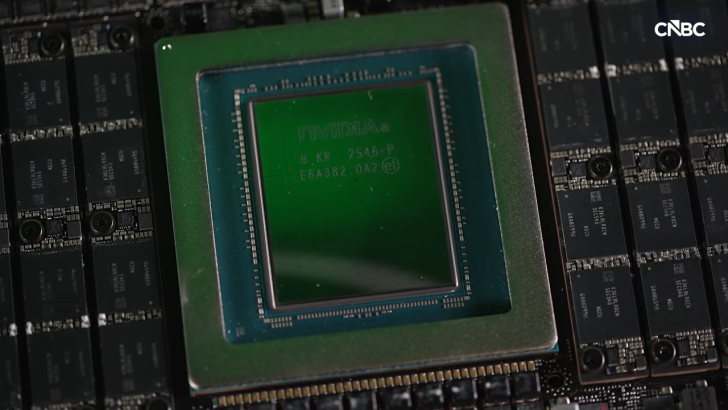
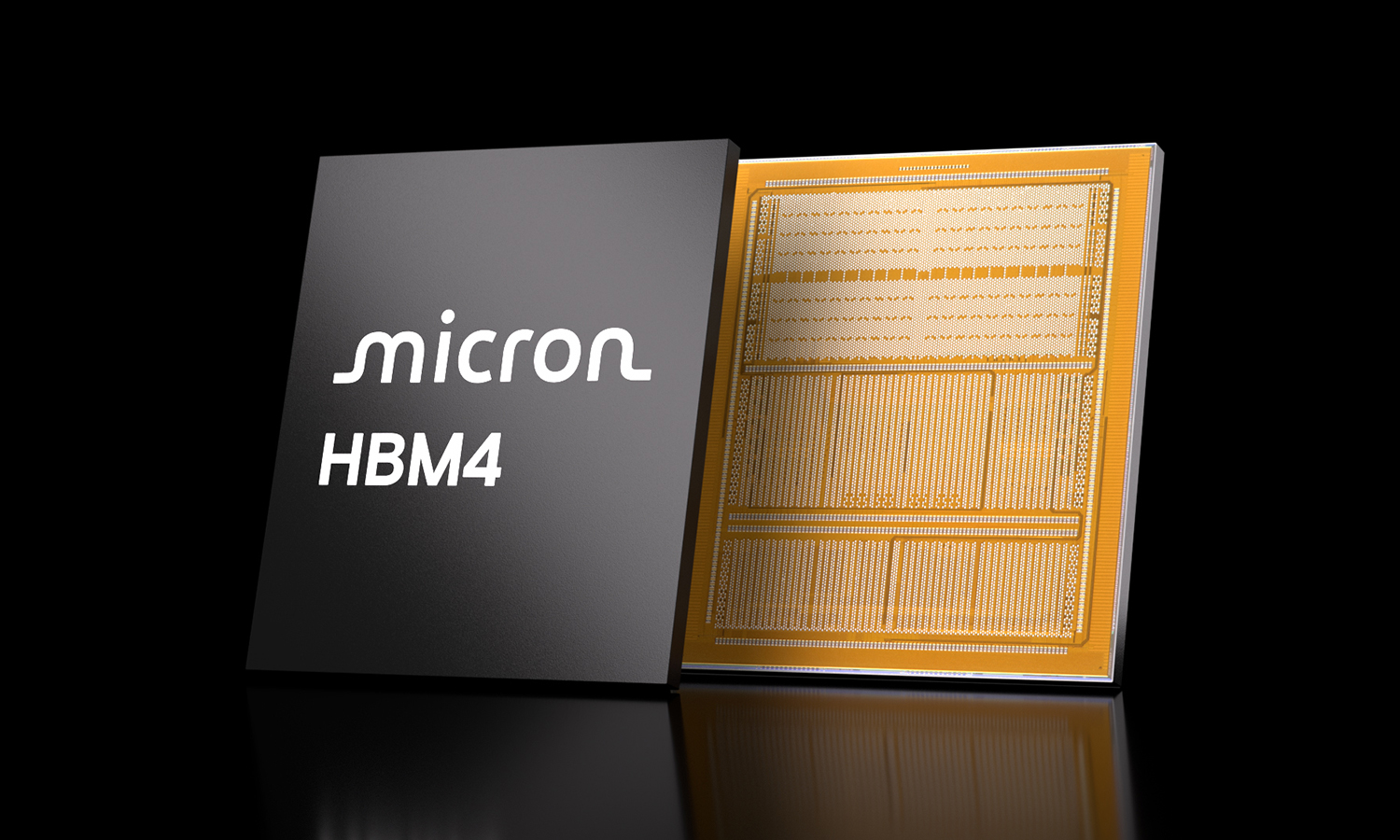
Micron has also announced up to 256 GB SOCAMM2 modules . These have been shipped out to first customers, but once again, existing DRAM shortages are bound to move the timeline of these memory solutions.
The spec change from 192 GB to 96 GB isn't a downgrade; it's called an "SKU". Different SKUs are designed with different customers in mind, and Vera's memory subsystem is scalable, as NVIDIA states, up to 1.5 TB (192 GB modules). The "Up To" means that Vera can have designs with lower capacities as per customer demand, and not everyone would have to get a 1.5 TB config, which may not suit their needs entirely from a cost, efficiency, and TCO point of view.
The same is true for HBM4, with Rubin GPUs retaining 288 GB of capacity with up to 22 TB/s of speeds. With Rubin Ultra, the company had outlined 1 TB of HBM4e capacity. The 1 TB capacity comes from 16 stacks, 8 per Reticle die, and each stack houses a 16-Hi design, which is 16 stacks of DRAM (64 GB memory per stack & 4 GB memory per DRAM die).
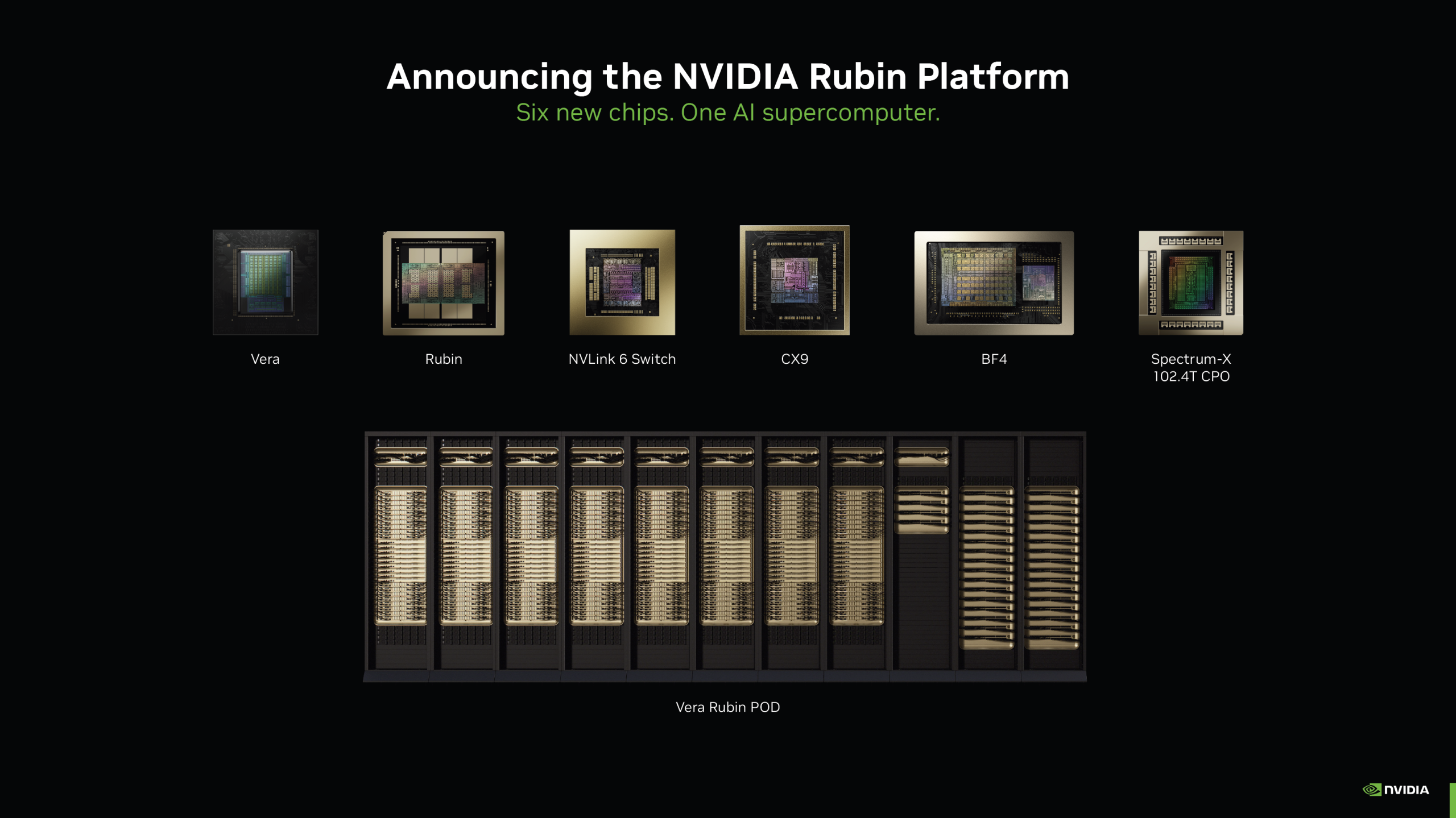
Current Rubin GPUs feature 8 HBM4 memory sites, each with 12-Hi configurations or 12 DRAM dies, for a total of 288 GB (36 GB memory per stack & 3 GB memory per DRAM die). These come from various partners including SK Hynix and Micron .
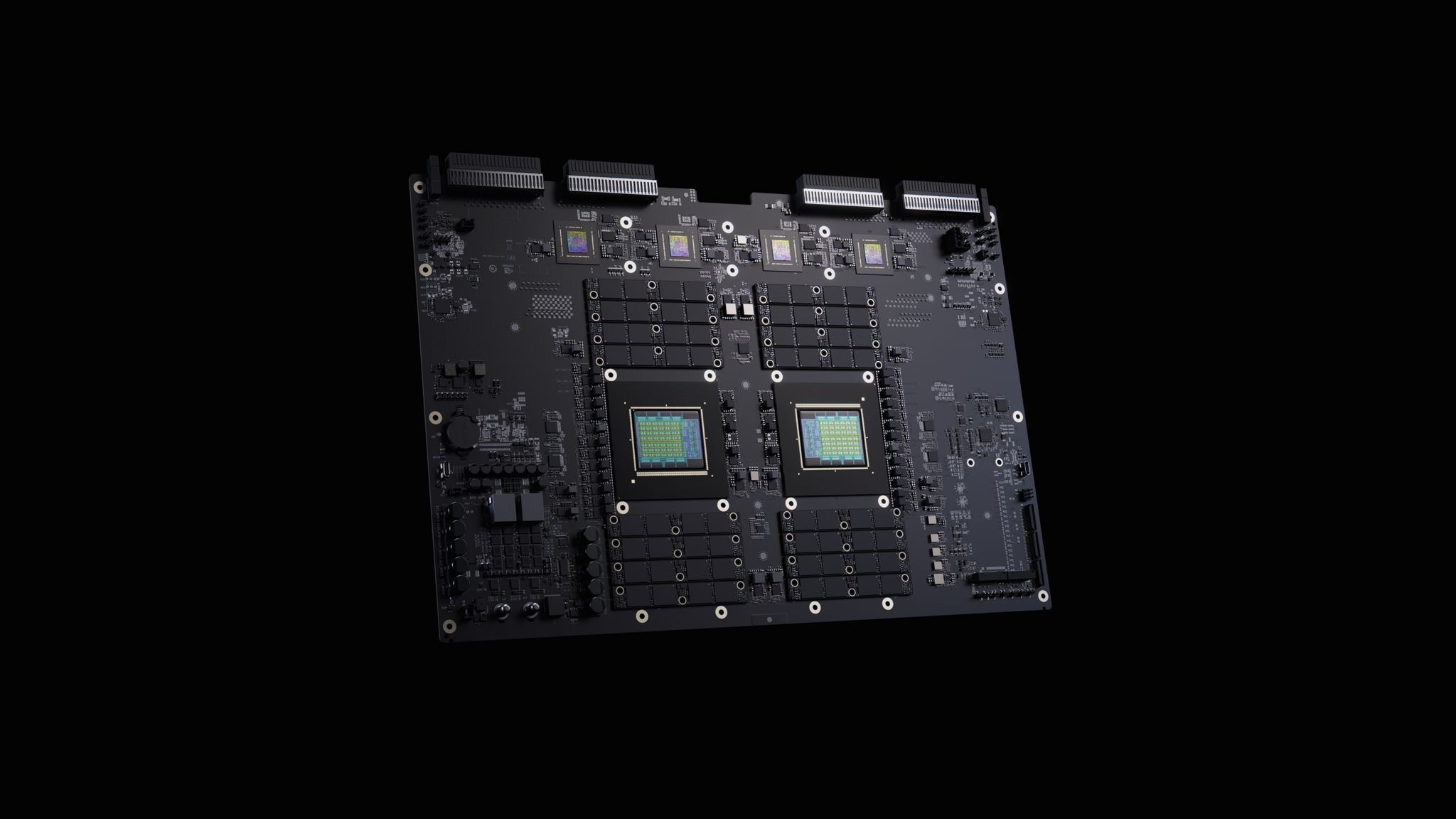
According to reports, NVIDIA has tested Rubin Ultra with three HBM configurations very recently, ranging from 192 GB to 256 GB, with others suggesting 8-Hi HBM4e, 12-Hi HBM4, and 8-Hi HBM4 variants. The 192-256 GB configurations should be for a single reticle die solution, as this should be lower memory than existing Rubin GPUs.
You see, AMD & NVIDIA do build flexible GPU designs, which can feature a different number of compute and memory dies.
AMD designed a custom flavor of its 432 GB MI455X GPU for Meta, offering 288 GB on its MI450 chip , half the memory of the full configuration. It even packs fewer compute dies than the MI455X. Once again, this isn't a downgrade; it's a custom variant to meet the needs of a key customer.
The same is true for Rubin Ultra and Vera. The full 1 TB and 1.5 TB subsystems are available, but based on supply/demand, these chips can be tuned for customers on request with more flexible options rather than sticking with one chip config that might not be feasible during the ongoing DRAM crisis.
In a bid to tackle these shortages, which are expected to enter the next decade , NVIDIA is thinking of alternatives, with storage being the next frontier to avert the increased memory demand. For this purpose, NVIDIA recently unveiled its Vera BlueField-4 STX platform , which supports NVIDIA's unified DOCA security stack and CXM (Context Memory Storage) to provide an AI‑native context tier for long‑context, multi‑turn, agentic AI inference.
And as far as the timeframe of these chips is concerned, NVIDIA has already debunked reports of potential delays for its chip and rack roadmap. NVIDIA's CEO, Jensen Huang, has reiterated on multiple occasions that Rubin, Rubin Ultra, and Kyber servers are on track, and offering more flexible configurations in no way means that the chip is being downgraded, since the full Vera & Rubin specs are still in production, and volume production is ongoing on the next-generation of AI hyperscalers.
News Sources: Trendforce , The Information
Follow Wccftech on Google to get more of our news coverage in your feeds.