In a wild experiment, we saw how this modder went from traditional heatsink to a direct water-cooling method to achieve very low temperatures.
TrashBench does some crazy things, and this one was a wild experiment. The modder has been doing some amazing mods, such as installing a full-fledged CPU cooler directly onto a GPU, but this one was on another level. The modder wanted to try "direct water" cooling on a GPU, and as you may assume, it's not like the AIO cooling at all.
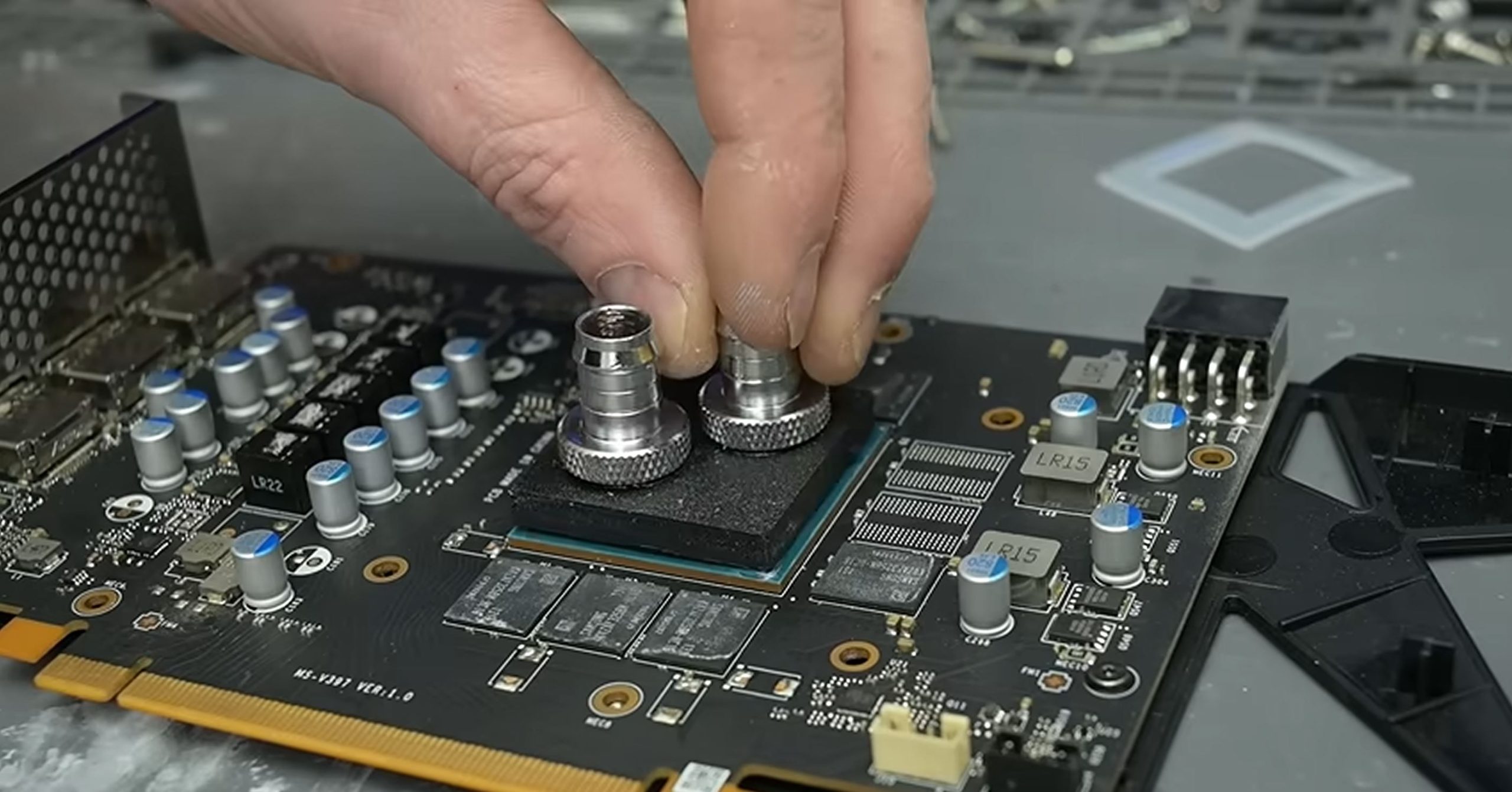
The modder first tried it on a dead RTX 3060 since throwing the water directly onto the GPU silicon can be risky, as the water can leak to the substrate and other parts of the PCB. He used a 3D-printed plastic block, followed by epoxy on the substrate around the GPU silicon. The first few times, the water leaked, even through the plastic plate, but eventually he made the setup better.
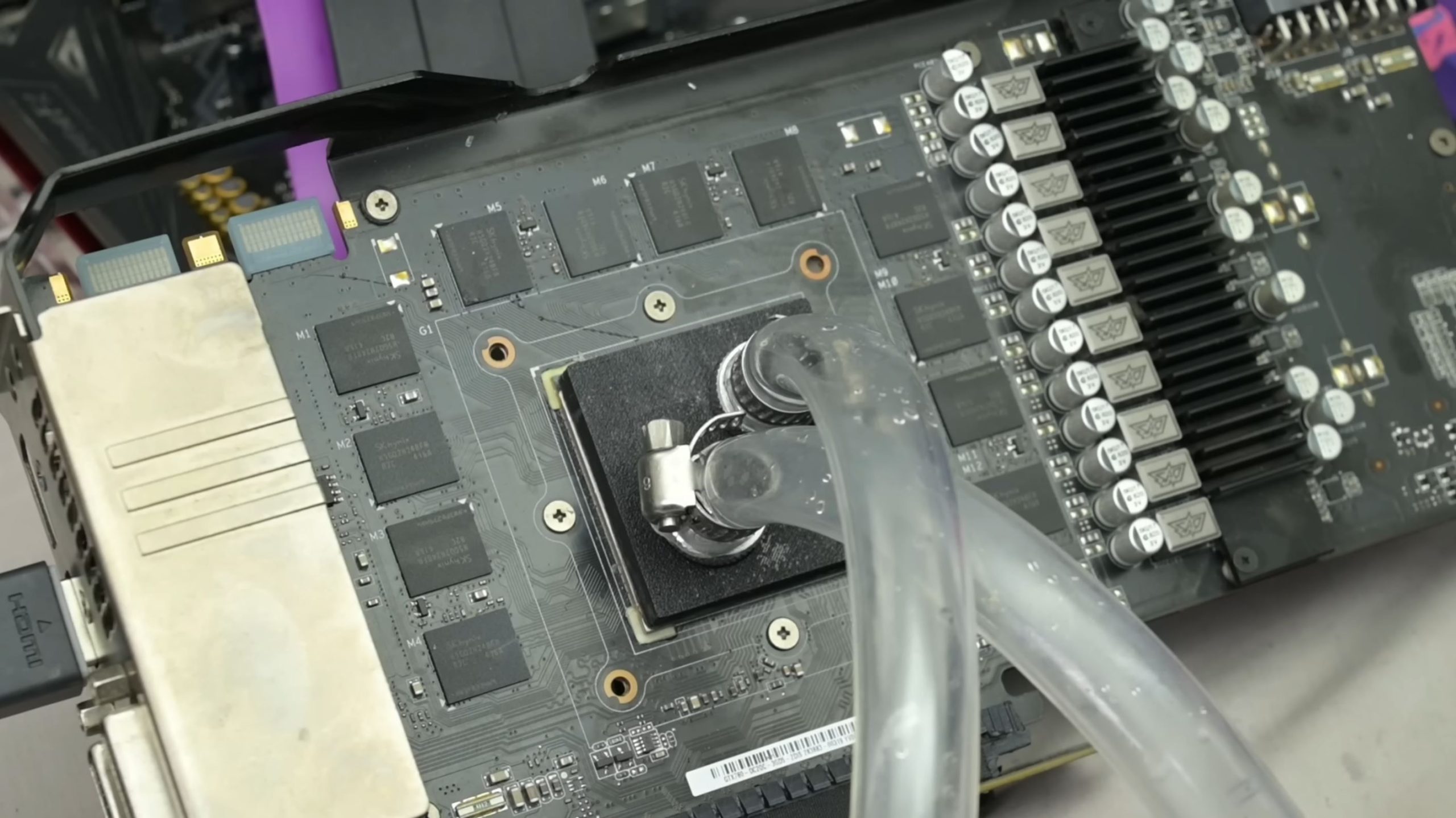
When the leakage test passed on the RTX 3060, the modder went for the GeForce GTX 980. By repeating the same method, he was able to replicate the same setup for this GPU as well. Now, it was time for the newer GeForce RTX 2060 since he didn't test the GTX 980 with the stock cooler. With the stock heatsink, the RTX 2060 was running at 70°C in Unigine Heaven.
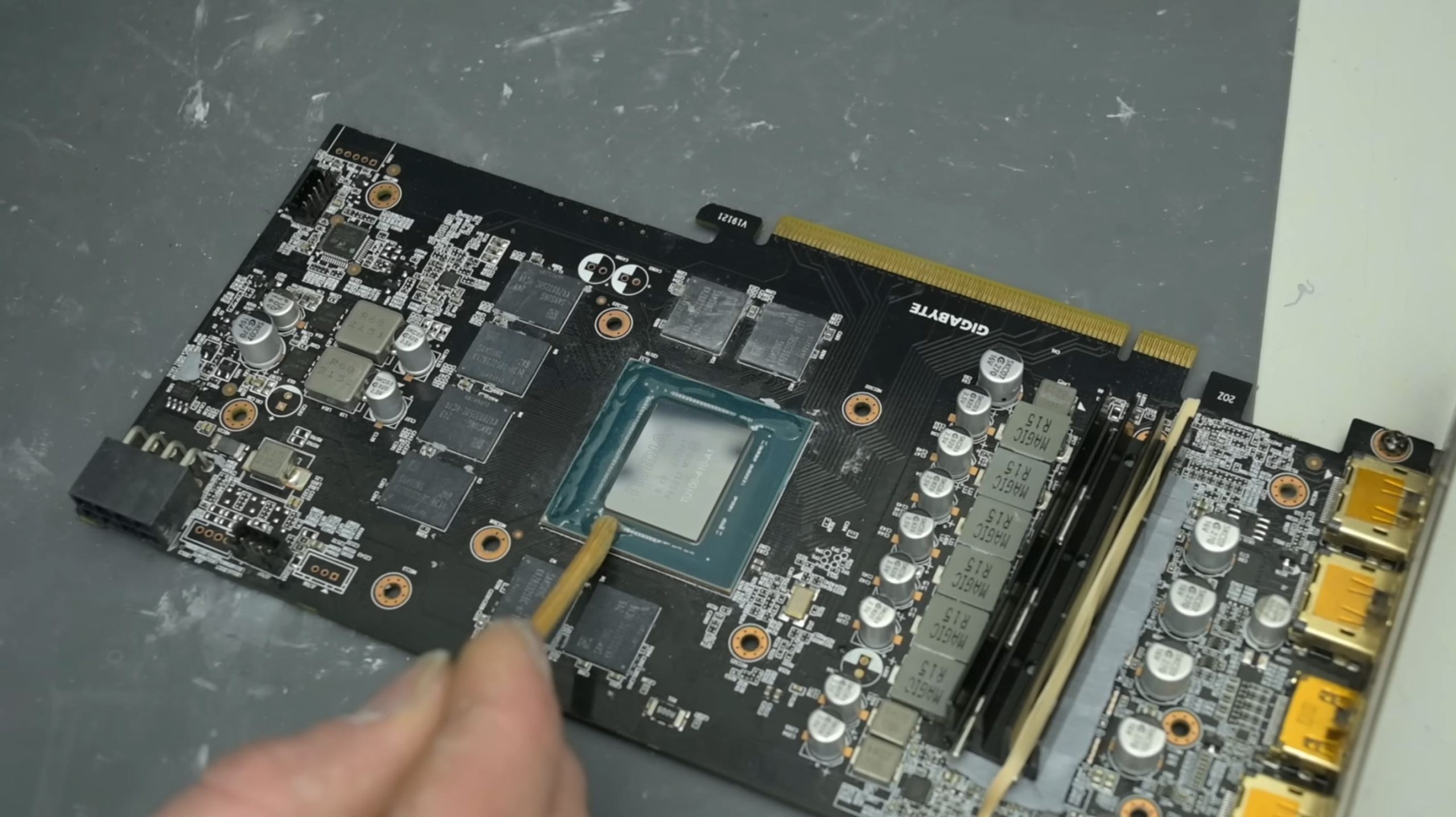
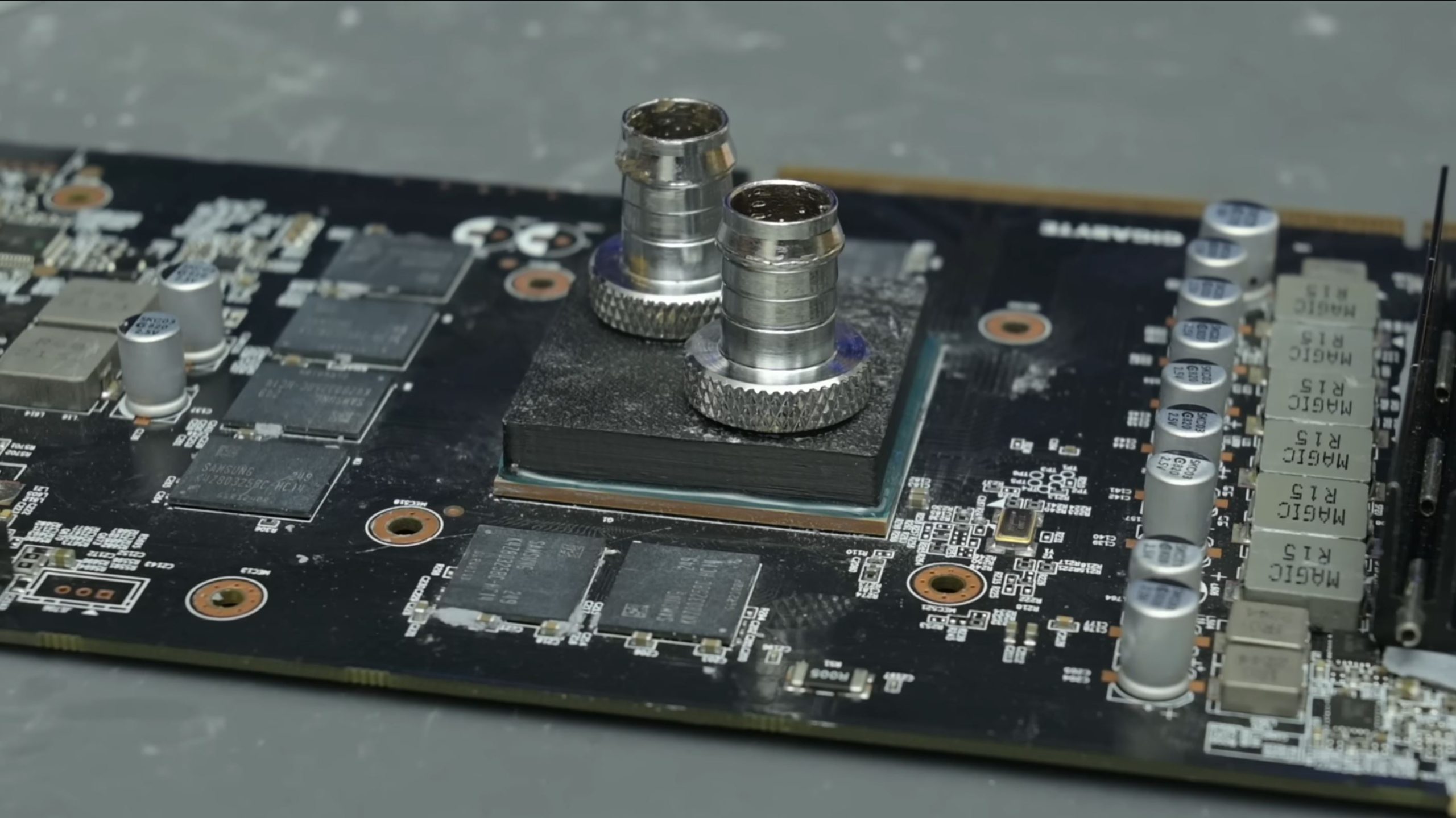
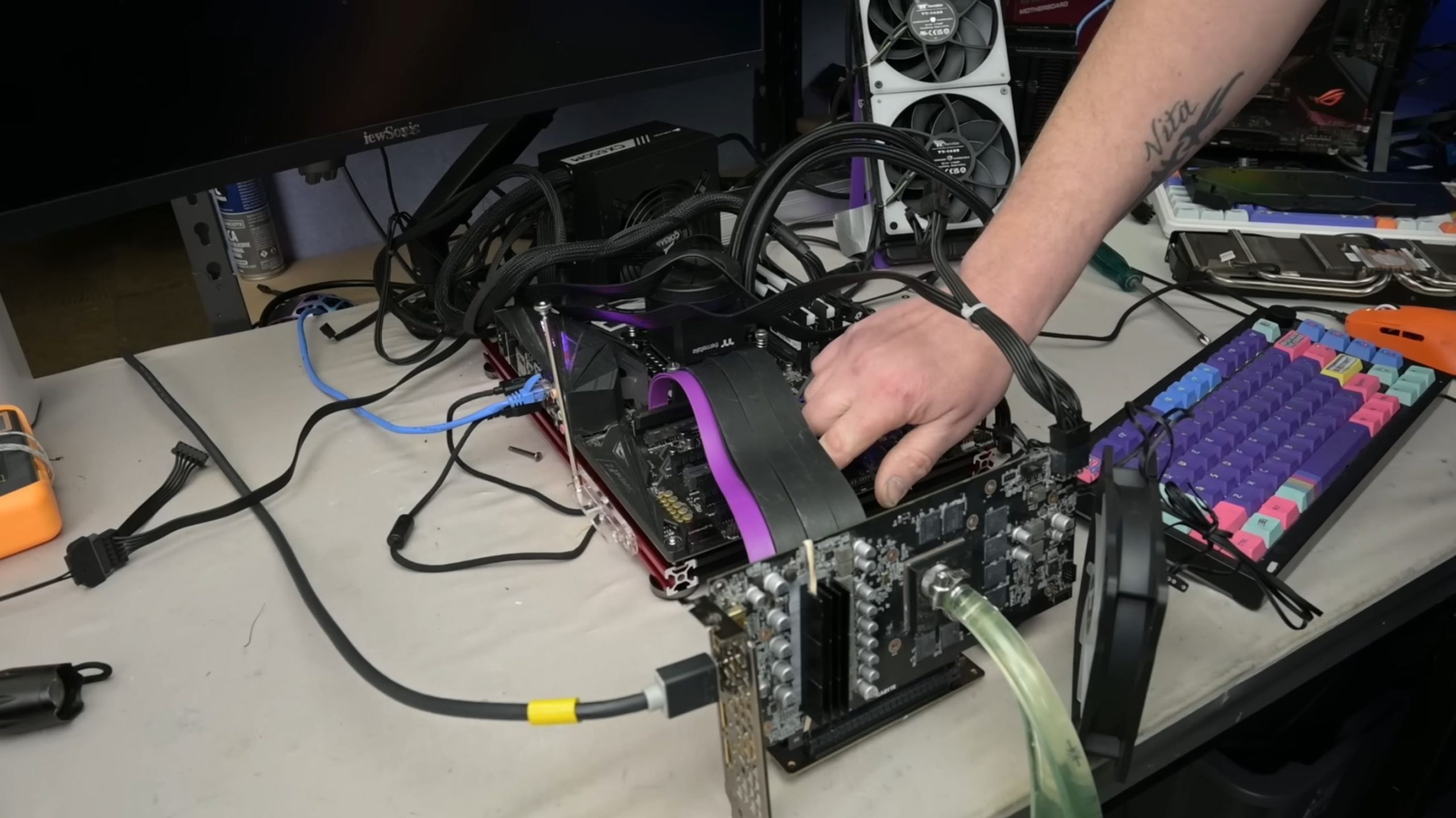
He then made a custom plastic block for the GPU, secured the tubes properly, and let the water pump draw from a container directly. The setup was now throwing the water directly at the silicon, which reduced the temperature from 70°C to just 28°C, with the hotspot at 41°C. He also tried the same by attaching a 360mm AIO to the GPU before he transitioned to the direct-water cooling, and the GPU was running at a good 36°C.
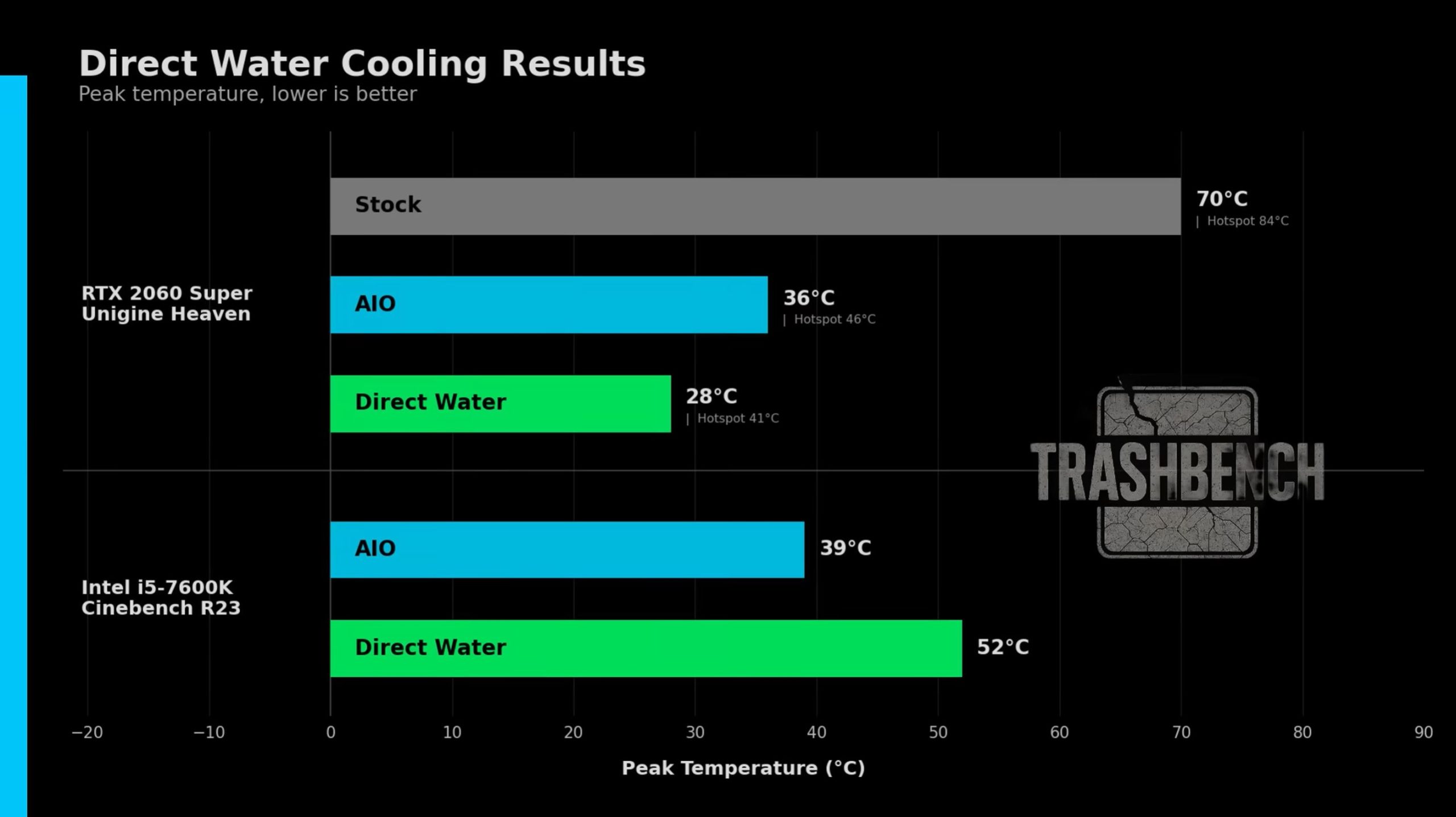
This experiment was later performed on the Intel Core i5 7600K, but it couldn't compete with the AIO. That said, even though this might look tempting, it's not recommended for the general masses. This requires a lot of expertise and can easily damage your GPU permanently.
Follow Wccftech on Google to get more of our news coverage in your feeds.