NVIDIA's Vera Rubin racks feature an unprecedented amount of memory, and that comes with a hefty price tag, as disclosed in the "Bill of Materials".
Vera Rubin racks are crazy expensive, and while one would expect to pay a premium for these next-generation enterprise powerhouses, the main cost driver is, unsurprisingly, the memory & that accounts for 62% of the cost of the Vera Rubin platform alone.
While we have covered the NVIDIA Vera Rubin rack costs and BOM in the past few months , the latest one shared by UBS dissects the cost of each Vera Rubin Superchip and the respective rack that these are configured in. The Vera Rubin NVL72 server, codenamed Oberon, features 72 GPUs based on the Rubin architecture, and massive amounts of memory.
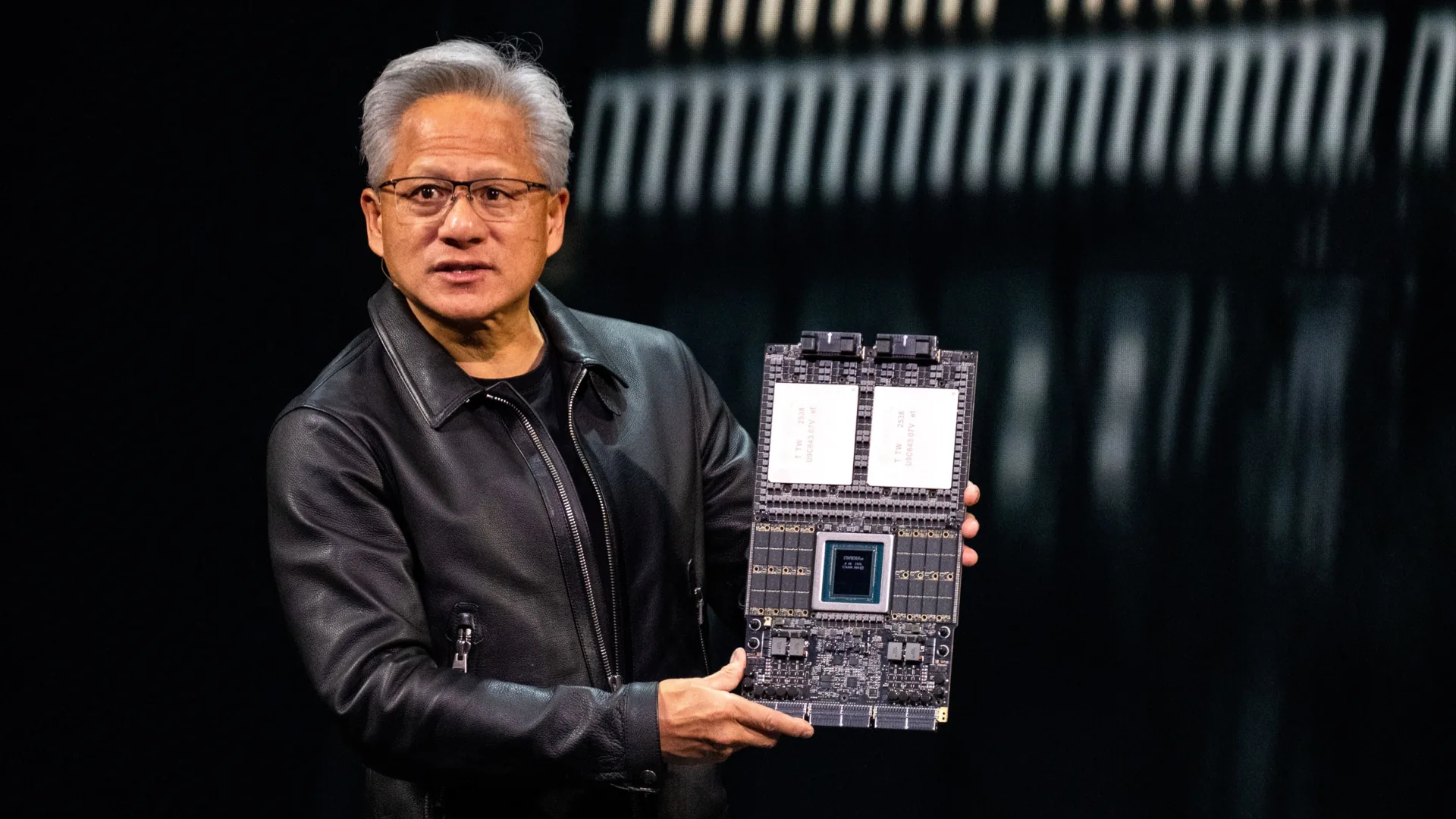
The chip alone features 288 GB of HBM4 memory, delivering up to 22 TB/s bandwidth, while the Vera CPU is attached to the latest SOCAMM2 LPDDR5X solution, carrying up to 1.5 TB of memory per Superchip.
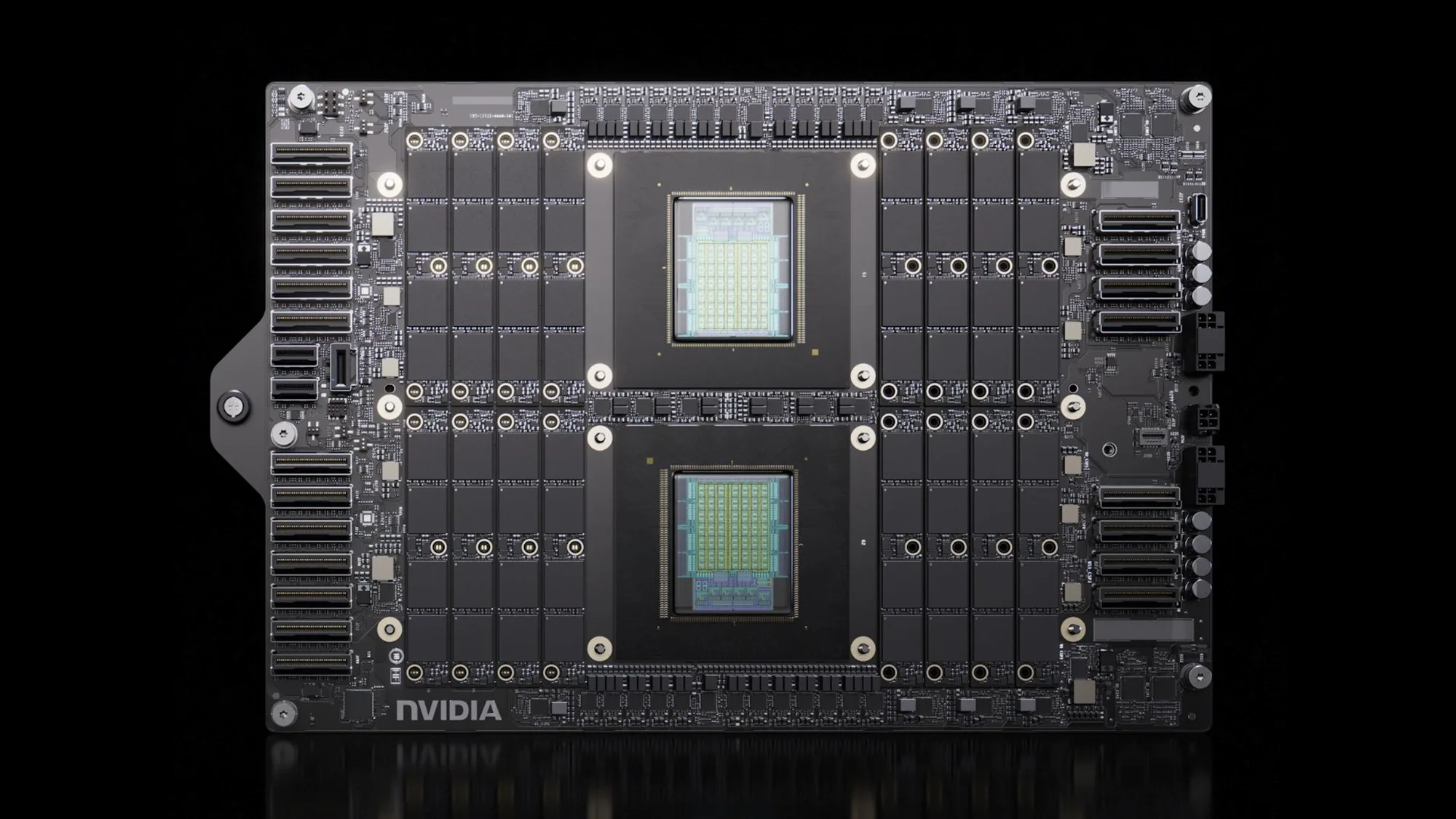
Let's start with the basics: the NVIDIA NVL72 rack is called Oberon and makes use of 72 GPUs plus 36 CPUs. A single Vera Rubin tray houses 4 "Rubin" GPUs and 2 "Vera" CPUs . Two GPUs and a single CPU are housed on a motherboard, which is called a Superchip. There are 36 Superchips on the NVL 72 rack. So that's a total of 72 GPUs and 36 CPUs.
Each Rubin GPU houses 288 GB of HBM4 memory, and each Vera CPU comes with 1.5 TB of LPDDR5X memory. For an NVL72 rack, that's 20.7 TB of HBM4 memory and 54 TB of LPDDR5X memory. There is a lot more that goes into Vera Rubin NVL72 racks, such as networking, cooling, power, interconnects, etc.
As per the UBS report, each NVIDIA Vera Rubin Superchip costs $38,902 US, of which $24,297 is for the memory (HBM4/SOCAMM2) alone.
The Rubin chip costs an estimated $9,247. This includes the GPU, HBM4, Packaging, Interposer, and Peripheral components.
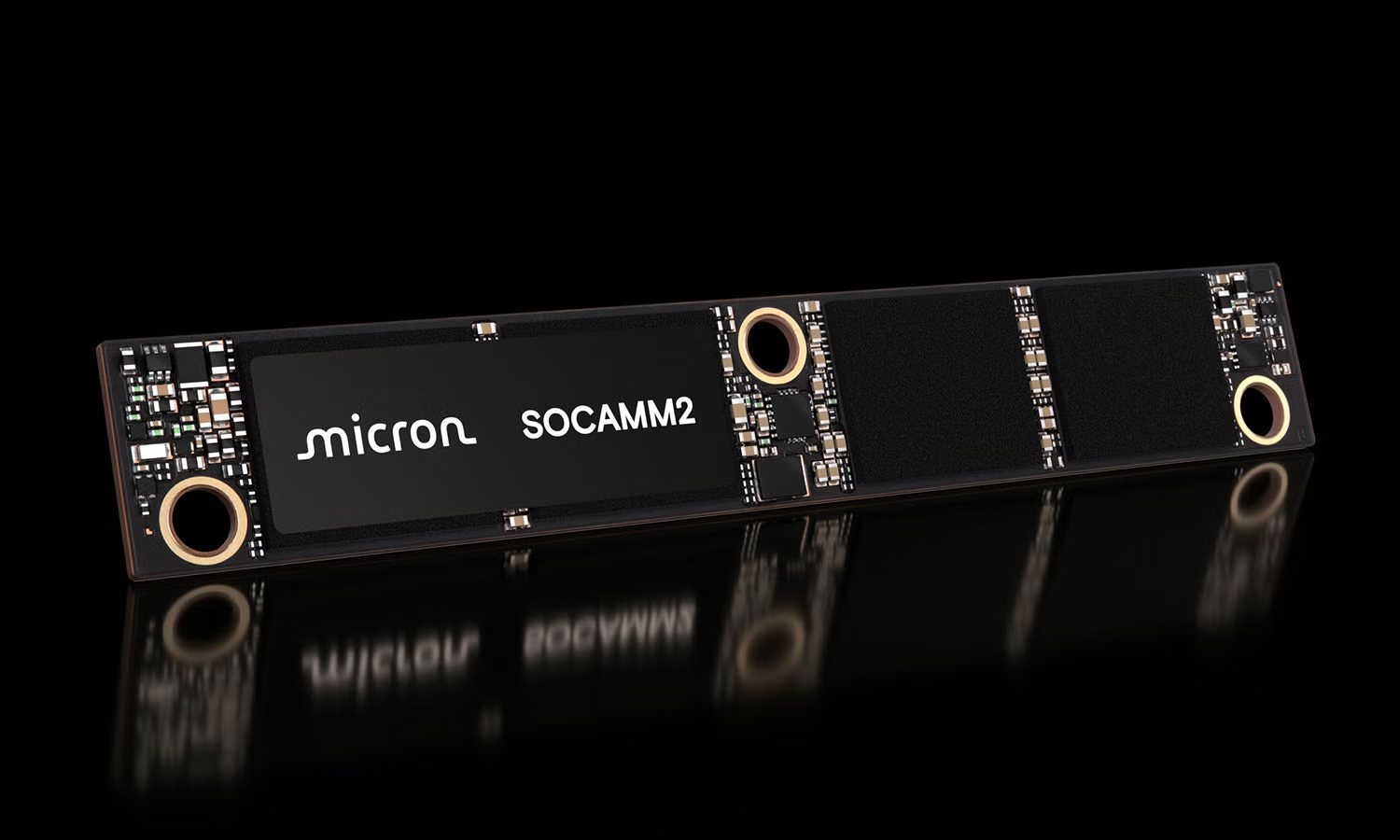
The Vera chip costs an estimated $20,059. This includes the CPU, SOCAMM2 LPDDR5X, and an additional $350 for other board components.
The HBM4 memory featured on the Rubin GPU is estimated at $4,943, which is 53.4% of the chip cost and 12.7% of the entire Superchip cost.
For the Vera CPU, the cost of SOCAMM2 is estimated at $19,355, which is 96.4% of the Vera cost & 49.8% of the full Superchip cost. If you take out the memory, the Vera CPU alone has a cost of just $704. So half the amount for the GPU and roughly the entire cost for the CPU is for the DRAM alone.
Now, if we compare these reported BOM values with the Grace Blackwell servers, these give us a slight uptick from 53% to 62% of the total memory cost share on Vera Rubin. Vera Rubin is up 2.1 times versus their predecessor when it comes to overall cost, but the memory cost saw a hefty 2.5x increase.
On Blackwell servers, the Grace CPUs were equipped with 480 GB of memory, and Blackwell GPUs offered 192 GB of HBM3E (GB200) and up to 288 GB of HBM3E (GB300).
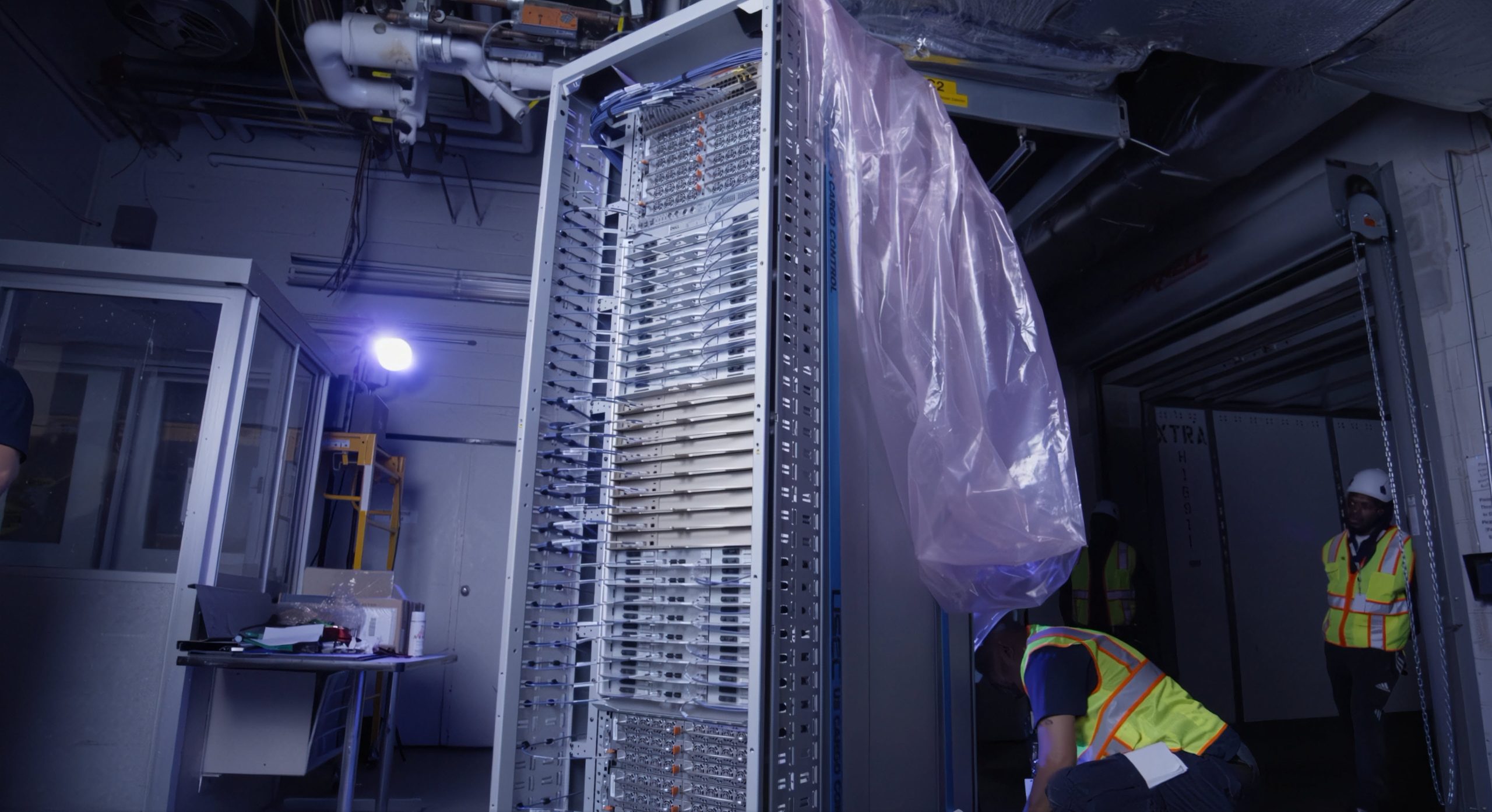
The total memory pool on Vera Rubin racks has swelled to 74.7 TB (HBM4 + SOCAMM2). This means that one Vera Rubin rack offers roughly the equivalent of 4,500 smartphones in terms of DRAM use. And there are going to be several thousand of these racks shipping across the globe to power AI Data Centers, Cloud Providers, Enterprise, and HPC needs.
This breakdown should give you a rough idea of why there's such an immense shortage of DRAM across the world. And it's not just NVIDIA; AMD has also unveiled its powerful Helios platform that offers up to 432 GB of HBM4 memory per GPU, and its next-gen servers are going to carry similar, if not higher, amounts of LPDDR5X memory.
Other AI giants are also working on their own Agentic AI era accelerators and server platforms, which will further stress the DRAM market, as the "BIG 3" have reported that these shortages will persist for years to come , & AI customers currently take priority through long-term agreements .
NVIDIA’s Vera Rubin NVL72 racks underscore the escalating dominance of memory in next-generation AI hardware, with HBM4 and SOCAMM2 LPDDR5X accounting for 62% of the Superchip’s roughly $39,000 cost—up from 53% in Grace Blackwell systems and driving a 2.5× jump in memory expenses overall.
Delivering an extraordinary 74.7 TB of DRAM per rack (equivalent to thousands of smartphones), these platforms, alongside similar high-memory designs from AMD and other AI leaders, are intensifying global DRAM shortages that industry reports indicate will persist for years as AI demand takes priority.
News Source: biz.chosun
Follow Wccftech on Google to get more of our news coverage in your feeds.