Samsung's HBM4 memory has reportedly achieved a high-end yield rate of nearly 80%, which has boosted the company's confidence.
Samsung has had to go through some major hurdles in the HBM segment in a bid to compete with SK Hynix and Micron. The company has spent multiple generations trying to design and validate its memory with multiple partners, but the progress has been slow and steady. Now, Samsung has reportedly hit a milestone in its HBM roadmap, which includes the HBM4 memory.
According to a report by Sedaily , Samsung has achieved an HBM4 yield rate of almost 80%, which is considered the "Golden Yield" in the industry. Samsung commenced mass production of its latest HBM4 solution this year in February, offering 12-Hi stacks and accommodating up to 36 GB capacity per stack. These DRAM modules offer 11.7-13.0 Gbps speeds. Some of the highlights of Samsung's HBM4 solution include:
- 10nm-class DRAM Process Tech (1c)
- 4nm Logic Process
- 11.7-13.0 Gbps Pin speeds
- Up To 3.3 TB/s Bandwidth Per Stack
- 12-Hi HBM4 in 24-36 GB Capacities
- 16-Hi HBM4 in 48 GB Capacities
- 2048-pin IO
- 40% Improvement in Power Efficiency
- 10% Better Thermal Resistance vs HBM3E
- 30% Better Heat Dissipation vs HBM3E
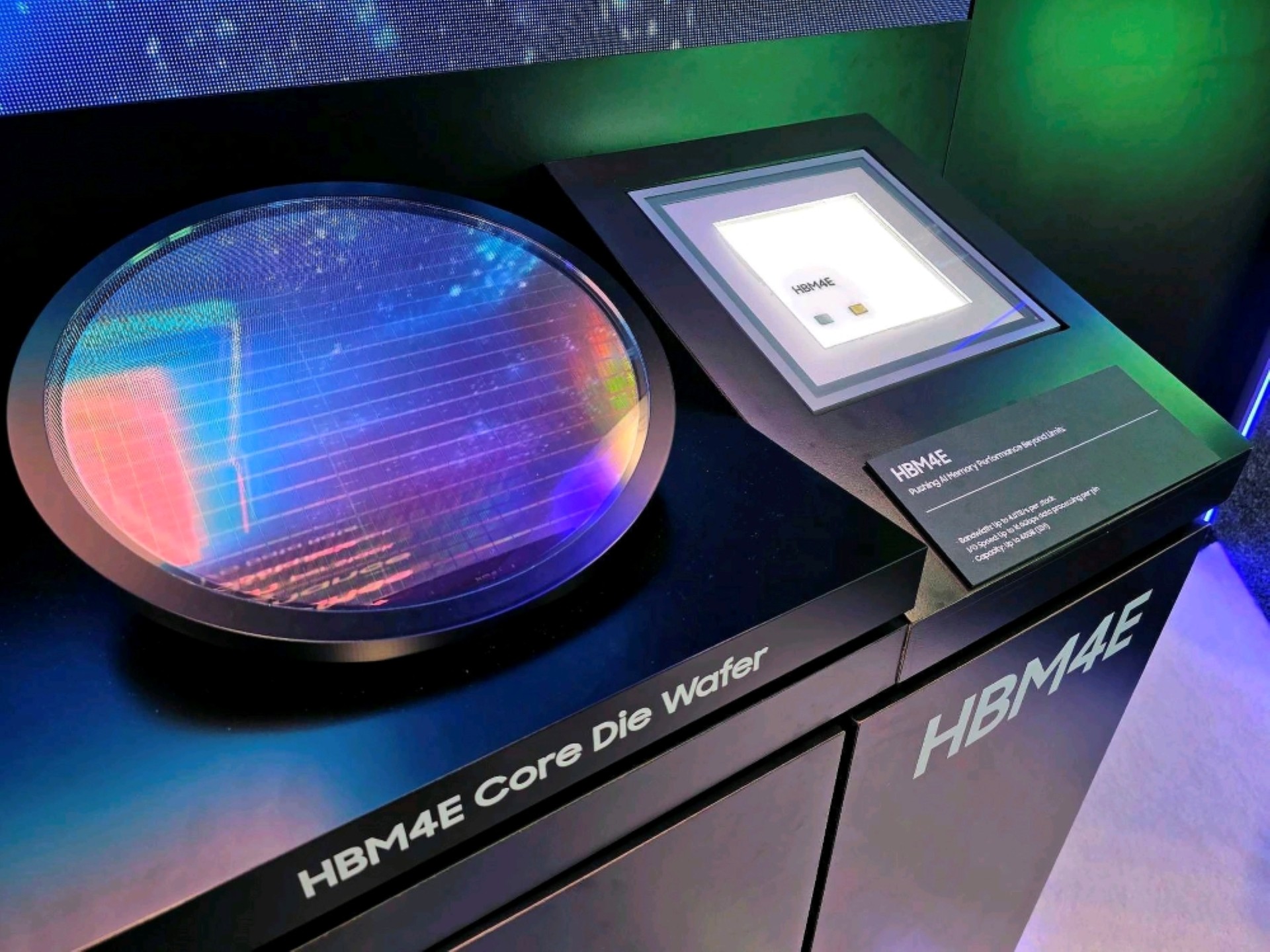
When mass production was first announced, Samsung's HBM4 was reportedly sitting at a yield of 60%, but thanks to an accelerated and optimized production plan, the company achieved its end-of-year target early, hitting 80% yields. With this yield, Samsung has surprised the industry & adds further confidence in its HBM roadmap.
Samsung Electronics' HBM4 yield has recently approached the 80% mark, moving close to achieving a "golden yield." The yield, which stood below 60% in the early stages of mass production this February, has soared to its original year-end target within half a year. The pace of process improvement is assessed to have exceeded industry expectations.
via SEDaily
With this, Samsung has raised its quarter revenue for HBM4 DRAM threefold for the third quarter, expanding the share of its HBM4 memory by more than 60% in the second half of 2026 across its HBM products.
The company now holds a good position to tackle SK Hynix's dominance in the HBM segment. As for HBM4e, Samsung has reportedly raised the reliability test yield to 70%, as it gears up to enter the next-generation HBM segment with a solid product. The company unveiled its HBM4E memory earlier this year , stacking 48 GB capacities and up to 4 TB/s bandwidth per DRAM stack.
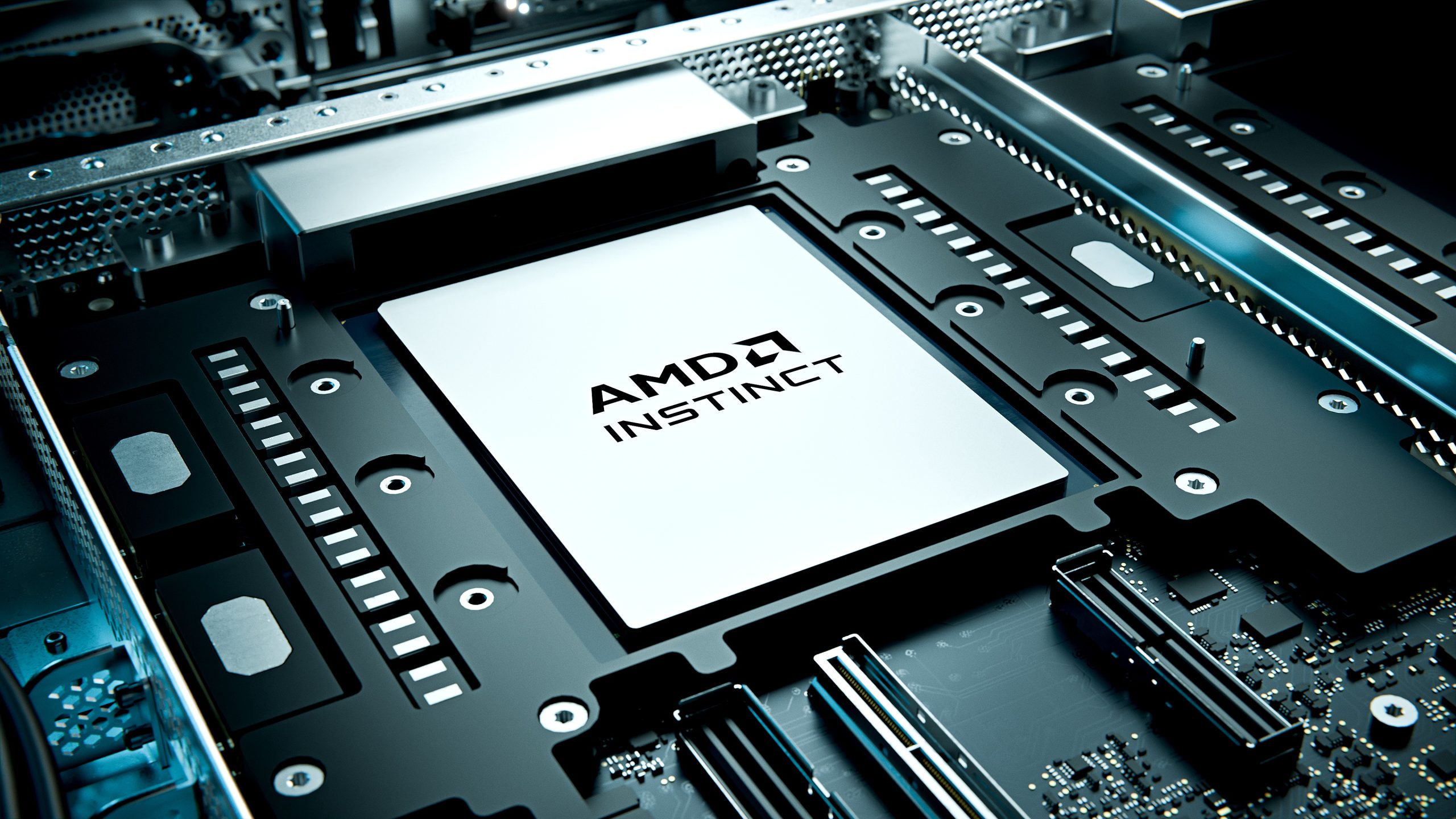
AMD is already leveraging Samsung's HBM4 memory for its Instinct MI400 platform , and with the improvements in HBM4E, the company is also aiming to get NVIDIA onboard for Rubin Ultra along with the next-gen MI500 series.
Samsung’s HBM roadmap has achieved a remarkable leap from earlier levels that underscores the company’s rapid progress and renewed confidence. With AMD already adopting the memory for its Instinct MI400 series and strong momentum building toward HBM4E, Samsung is firmly positioning itself as a serious contender in the high-stakes AI DRAM arena.
Follow Wccftech on Google to get more of our news coverage in your feeds.