Intel has hinted at a return to the memory segment as CEO Lip-Bu says that memory is no longer a commodity business and holds tremendous innovation potential.
Intel, founded back in 1968, started as a semiconductor business, and the very first products that it rolled out were memory chips, starting with the 3101 SRAM and the 1103 DRAM.
Intel's previous venture in the memory space was its Optane products, which were based on the 3D XPoint architecture which was co-developed with Micron, but were discontinued in 2022 since the tech never picked up in the way Intel had hoped for, and competing technologies such as HBM and multi-layer 3D Stacked technologies were showing far better potential and cost/$.
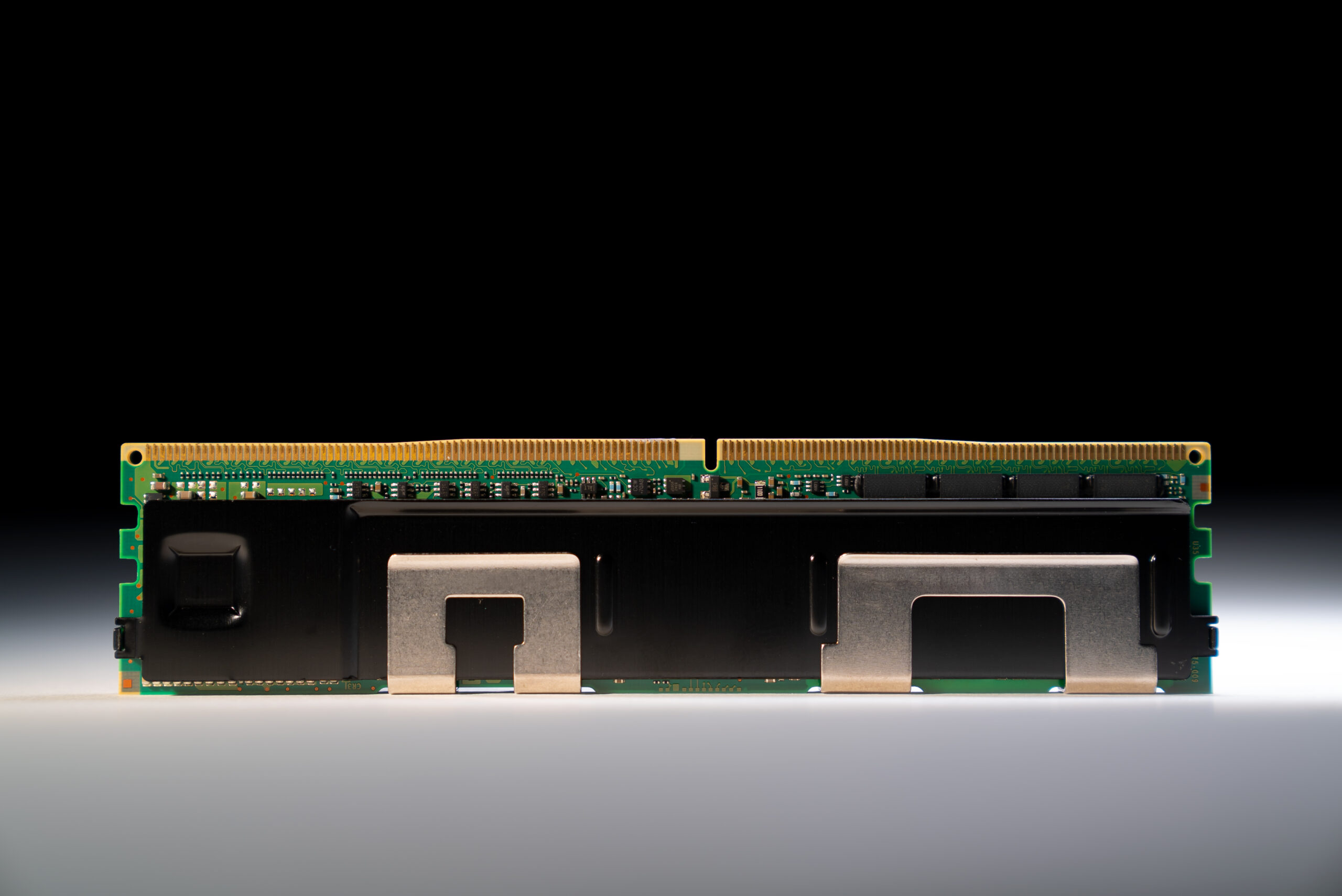
However, four years after the discontinuation of Intel's last known memory technology, the blue team is once again hinting at a return to the memory business. There have been a few hints here and there, such as the recent recruitment drive in which Lip-Bu Tan has managed to hire Ex-CEO of SK Hynix, Seok-Hee Lee , as EVP of the Foundry business & advanced packaging technologies.
Not only that, the company has been making inroads in the memory segment silently with its partners, with upcoming technologies such as XBM and ZAM currently in the works.
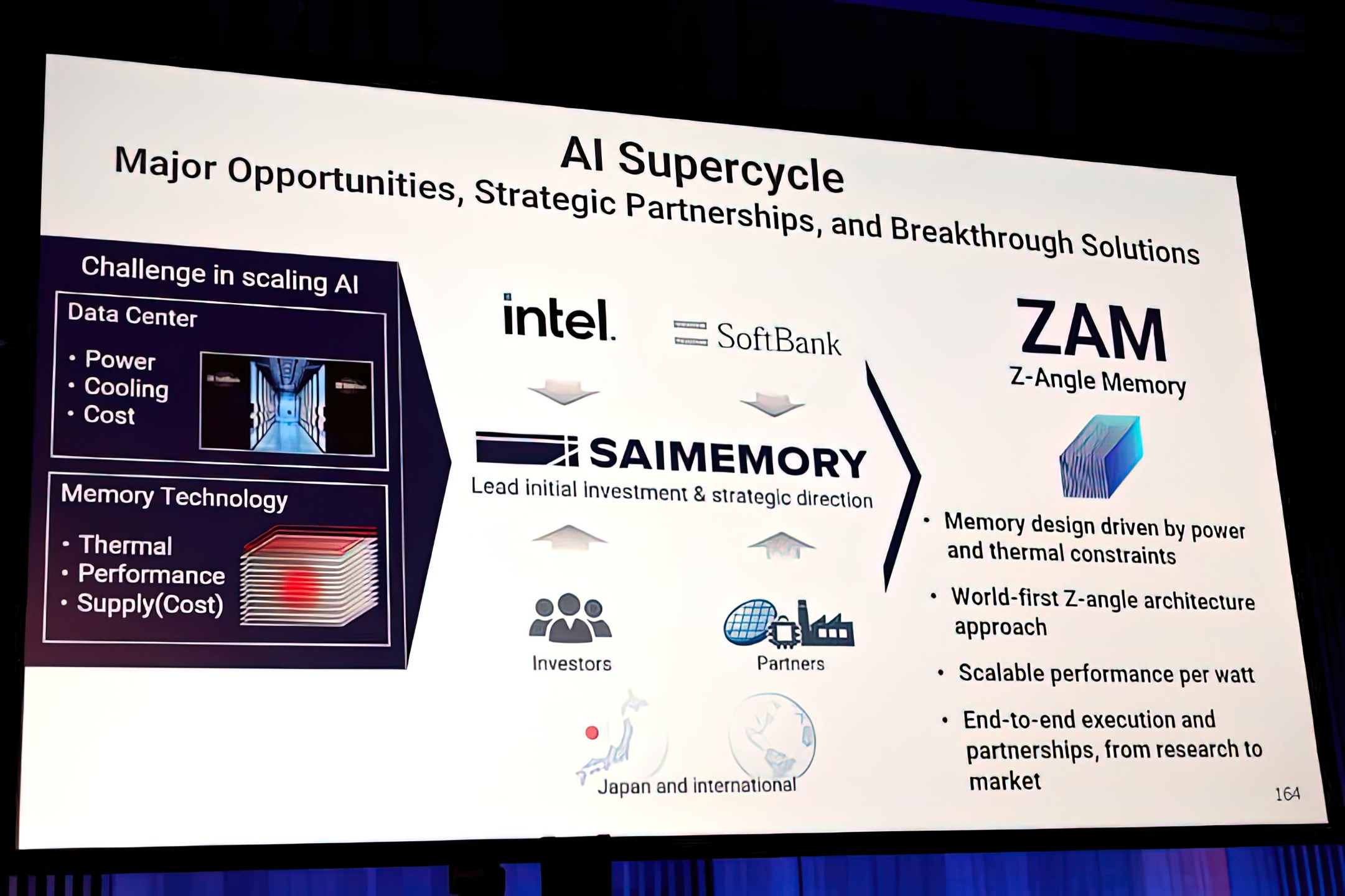
Intel's past attempts at DRAM, such as HMC (Hybrid Memory Cube) and MCDRAM , faced various issues and never came to market, but with XBM, Intel is course-correcting its DRAM ambitions, and along with ZAM, the company may once again see a return to the DRAM segment, & this comes at a time when the entire memory segment is facing heightened shortages .
Well you know the you know the first of all we are very excited you know in the Agentic AI and Inference CPU is huge demand so my day is a lot of CEO call I want to have more CPU from you so we truly try the CPU make sure that we meet them and secondly some of the new architecture of CPU so that we can meet some of the requirement and then secondly I think CPU and memory I think there's a lot of way we can really do stacking together and also try to find some new architecture from memory and I think in some way the memory a lot of innovation are not there so there's some really good area.
I used to be don't invest in memory because it's kind of commodity business right but now become different there's a lot of new technology come out so we are kind of looking at.
One of my pet project is looking some of the memory new architecture and I think you just saw the news I hire my good friend Seok-Hee Lee he used to run SK Hynix right so you kind of know something that I'm thinking about we are not ready to unfold it but you know I always have something thinking about what is the short term mid term long term requirement.
Lip-Bu Tan - Intel CEO
During the recent TechSurge: Deep Tech VC Podcast , Intel CEO Lip-Bu Tan disclosed some of the details on the company's next venture in the memory segment. Lip-Bu says that there is a lot of demand for CPUs right now, and the company is looking into ways to build CPUs that meet the growing requirements of its customers. The semiconductor and chipmaker isn't just looking at building CPUs with new architectures, but is also working on embedding CPUs with stacked DRAM capabilities.
Lip-Bu goes on to say that a lot of the memory requirements needed today aren't there yet, so the company is working to innovate into this segment. The most crucial statement from Lip-Bu is that he personally didn't want to invest in memory since it was just a commodity business, but market dynamics have changed drastically with the growing AI demand. And now, memory isn't a commodity business anymore.
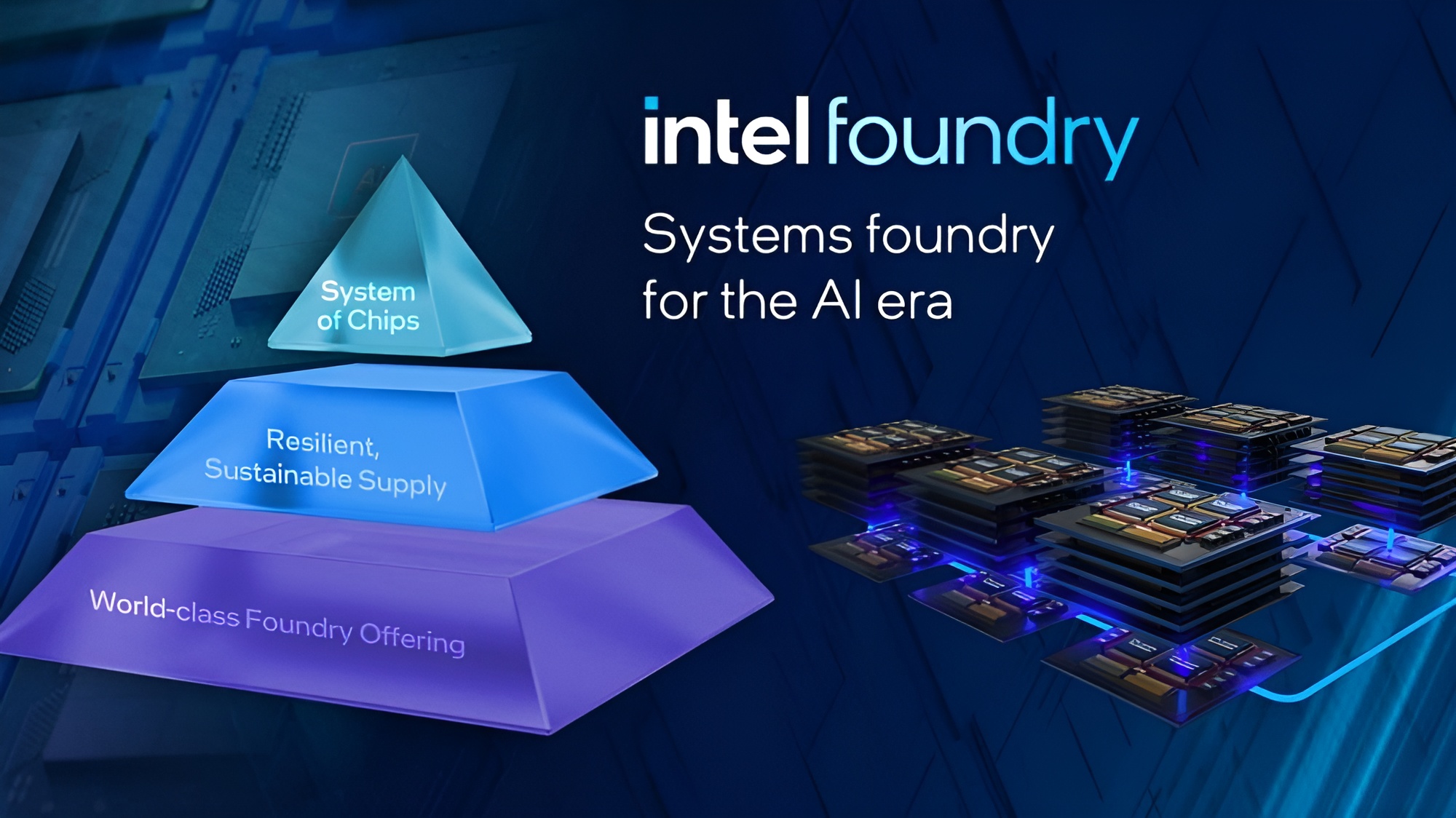
He teases that he has something in the works, but Intel is not ready to "unfold" it yet. Lip-Bu stresses that he always thinks of the short-term, mid-term, and long-term viability of such projects, and it looks like Intel is indeed planning to return to the memory business with innovative DRAM technologies.
As per the latest timeline, Intel's ZAM project is scheduled for 2029-2030, while XBM should be unveiled at the start of the next decade. Memory shortages will persist beyond 2030, as per the latest reports, as compute and memory demand continues to grow with multiple Gigawatt-scale "AI Factories" coming online in the years ahead.
If Intel does come back to the memory buisness, then its Foundry Services buisness will see an unprecdented boost, becoming one of the leading manufacturers of advanced semiconductors, memory solutions, and bleeding-edge packaging technologies, all under one roof.
Follow Wccftech on Google to get more of our news coverage in your feeds.