CoreWeave has committed to a rental plan for NVIDIA's A100 GPUs through 2029, highlighting how CUDA upgrades make older platforms viable for extended durability.
The NVIDIA A100 AI accelerators are part of the Ampere GPU generation, which launched back in 2020.
The 2nd Generation Tensor Core chip has been out for six years, and by this time, we would usually expect it to be phased out, but that's not the case as Jensen implies that NVIDIA's chips are designed for extended durability as CUDA upgrades make even older compute platforms a viable and a "productive asset" that is rentable, durable, and financeable for long-term use cases.
This statement comes after CoreWeave announced that it will rent out NVIDIA's A100 GPUs through 2029.
Using older GPUs comes at a time when shortages and price hikes have affected almost every segment of the tech world. We have even seen much older GPUs such as the Volta-based V100 series seeing a bump in prices .
In a previous report, we covered how rental prices for A100 and H100 GPUs were at an all-time high . Besides the shortages, it should also be noted that continued efforts to optimize new AI models and upgrades within the CUDA ecosystem have made it possible to run workloads on the same amount of compute rather than upgrading to newer hardware, which requires much higher investments.
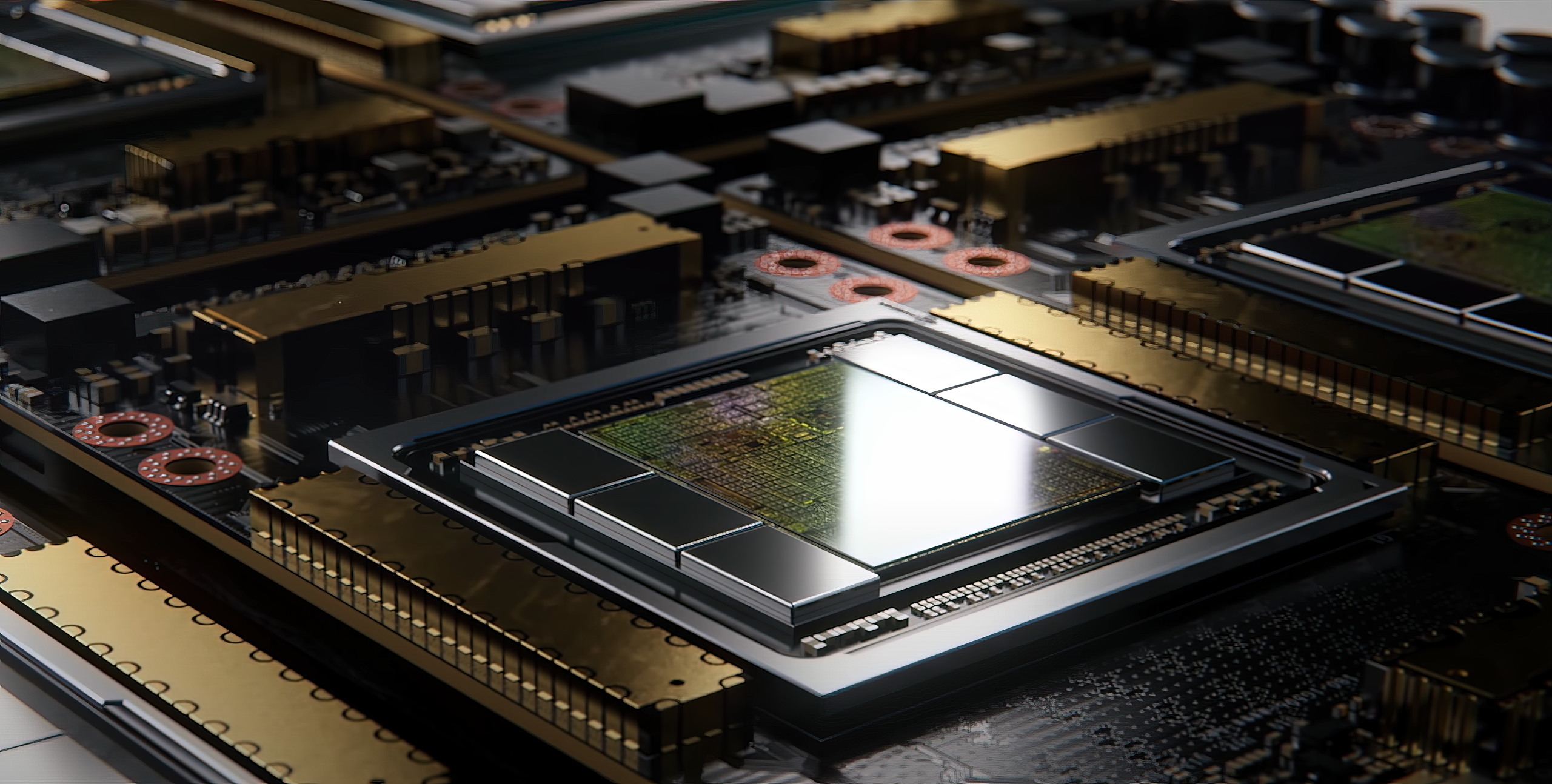
There has been a debate about hardware deprecation considering just how accelerated AI roadmaps have become. Both NVIDIA and AMD are now following a yearly cadence, which means that a better and more productive chip will be out each year for AI workflows. And it's not always the best approach to invest billions into the current generation when a new generation is close by. With these optimizations and extended lifecycles, existing GPUs still have a lot of room to breathe.
A 2029 commitment to A100s means that it will serve for 9 years. CoreWeave also mentions that they were able to get an attractive price for NVIDIA's A100 chips. The Blackwell and Rubin chips offer much more advanced compute capabilities but come at a massive price.
So this goes on to show that AI accelerators have a much longer shelf life than most estimated. And it's a good sign, as large inventories of unused GPUs can be put to work instead of gathering dust, and reduce stress on the overall supply chain.
News Source: Business Insider
Follow Wccftech on Google to get more of our news coverage in your feeds.