Dr Andy Xie is a Shanghai-based independent economist specialising in China and Asia, and writes, speaks and consults on global economics and financial markets.
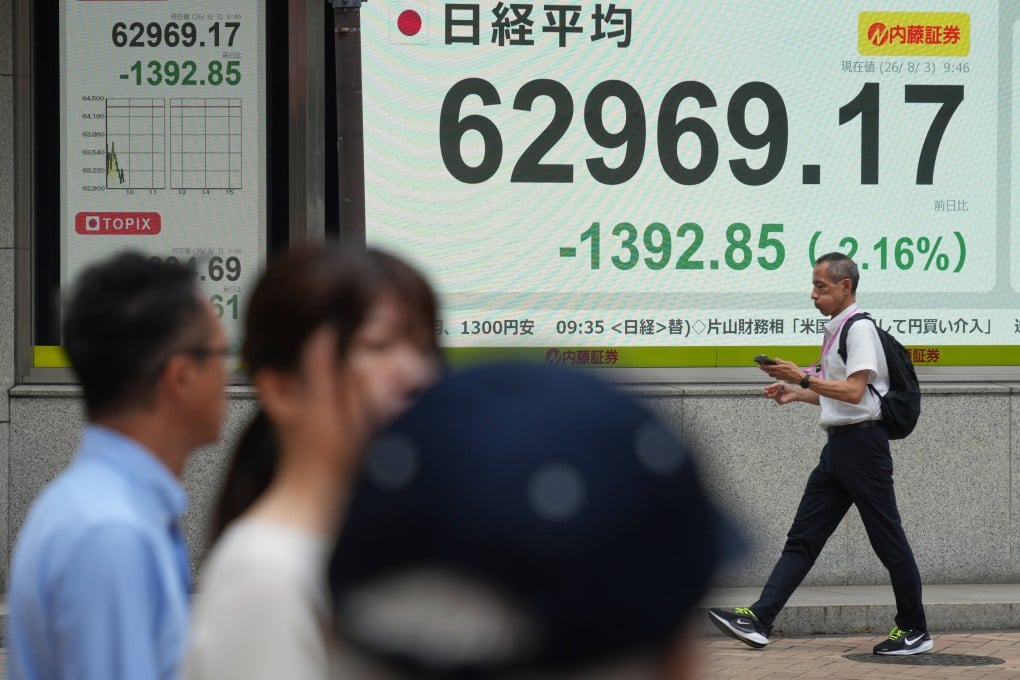
In a rare intervention , the US has propped up the Japanese yen. The move is seen as a bid to hold off a further rise in yields for US government bonds – amid Japan’s sell-off of US Treasuries to fund its shoring up of the yen – a rise that threatens the US artificial intelligence bubble.
That the United States bought yen for the first time in decades – coordinating with Japan – had a bigger psychological impact on the market than Tokyo’s interventions alone. But give it three or four weeks and the yen-to-dollar rate is likely to snap back above 160 .
The yen has been fundamentally weakened by a double shock: the rise in Chinese electric vehicles has hit Japan’s car exports and the energy price spike following the Iran war has hit the wider economy. Technical interventions will not stop its slide.
The car industry is Japan’s last economic stronghold but neither the government nor businesses are doing enough to pivot towards electric vehicles, and Chinese competition will only grow. Unless another export industry rises in replacement, the yen can only depreciate. Energy import costs are also rising rapidly in Japan, which depends on the Middle East for 90-95 per cent of its oil. The unexpectedly large trade deficit in June is an indicator of things to come.
Tokyo is obviously running down its reserves to keep the economy afloat. As the Iran war drags on, the odds are rising that oil infrastructure in the Middle East will be destroyed – which would leave Japan’s economy in mortal peril. Starting January, China has also banned “dual-use” exports to Japan in opposition to its remilitarisation, and has put dozens of Japanese companies on the export-control list. The Japanese economy faces a huge downside in the coming months.
Japan has essentially no room to raise its interest rates to defend its currency. National debt, at about 13.5 trillion yen (US$84.8 billion), is already more than twice the gross domestic product. To properly defend the yen, Japan’s rates will need to match US ones , which are 2-3 percentage points higher, but the resulting rise in interest payments on national debt will trigger a fiscal crisis.