Intel will keep on offering older Raptor Lake CPUs to allow PC builders an alternative to higher DDR5 prices.
As the memory supply crunch continues, PC builders are being forced out of upgrades. We've covered on many occasions just how bad things are for consumers at the moment, as prices across all components continue to rise.
Given this situation, Intel's client division seems to be reviving existing lineups while working on newer ones. We have seen AMD refresh its Ryzen 5000 and Ryzen 7000 series with cheaper and attractive offerings on the AM4 and AM5 platforms. The reason for these refreshes is simple: to allow existing PC owners something better on their existing platforms.
Why it's important to support older platforms is due to the fact that memory prices have seen the harshest rise so far. That means that DDR4 owners will have to pay a massive cost to upgrade to DDR5 platforms, while DDR5 owners who are looking to increase capacities are going to see price tags 2-3x higher than what they paid for.
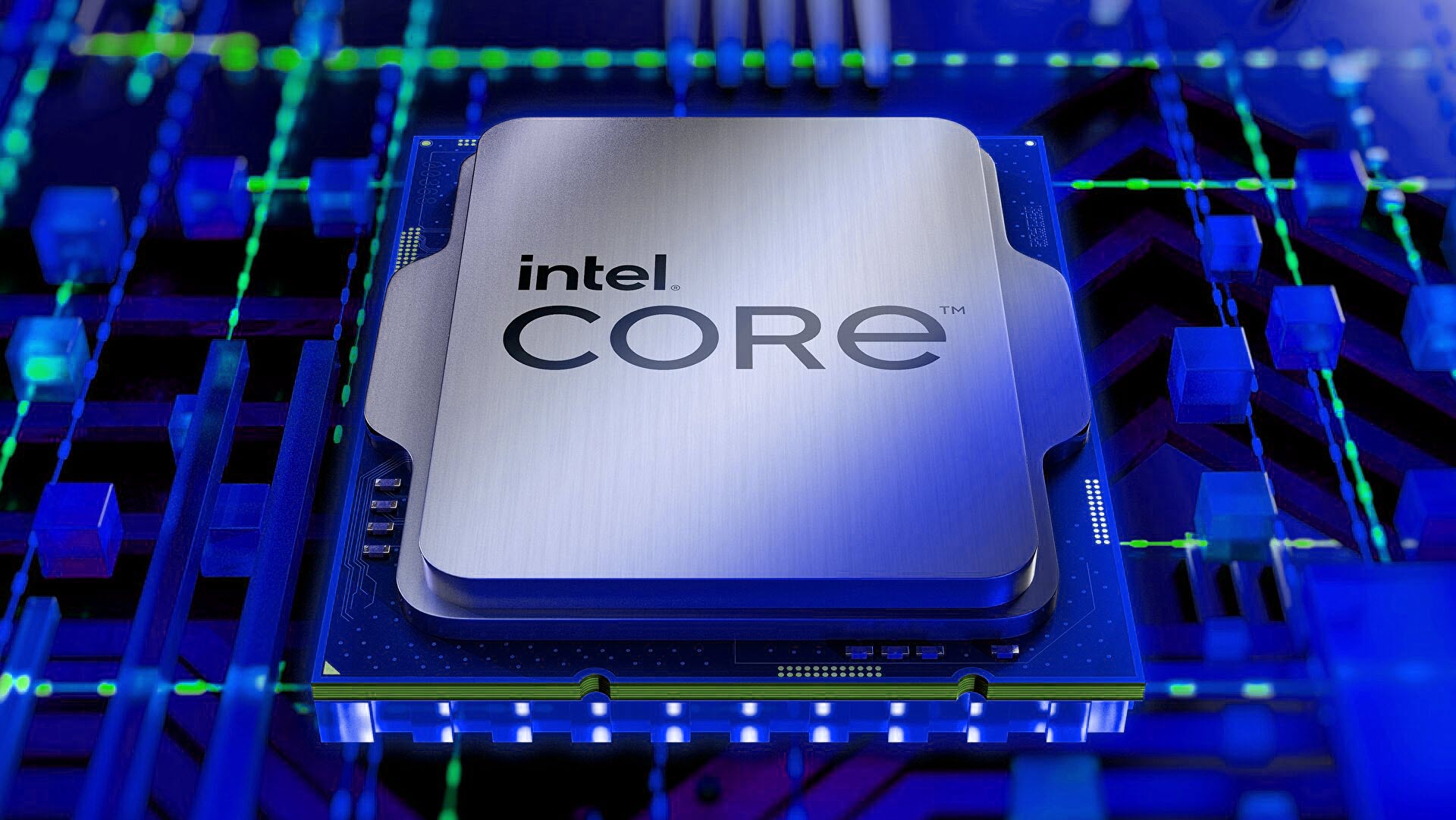
As such, Intel decided a few months back that it will continue to focus on Raptor Lake CPUs, which make up its 13th & 14th Gen lineups. The thing with Raptor Lake is that users can select between both DDR5 and DDR4 motherboards, & there are even hybrid DDR5/DDR4 motherboards on the market to support these chips. Although Intel worked with partners on the HUDIMM standard , it unfortunately didn't pick up as many as hoped for.
Now, Intel has once again reaffirmed that it will continue to support and offer Raptor Lake CPUs . In an interview with Tom's Hardware , Robert Hallock (VP/GM, Enthusiast Channel Business at Intel) has said that 10nm products such as Raptor Lake will remain an integral part of the client lineup for years to come.
Robert says that "lots of people are still interested in DDR4," and that gives them the incentive to keep these older lineups up and running. The fact is that DDR4 prices aren't that great either, but at least they are cheaper than DDR5, with 16 GB kits now selling for more than mainstream GPUs. And 16 GB is the bare minimum that we'd suggest to gamers, with 32 GB being the adequate amount for a decent gaming build.
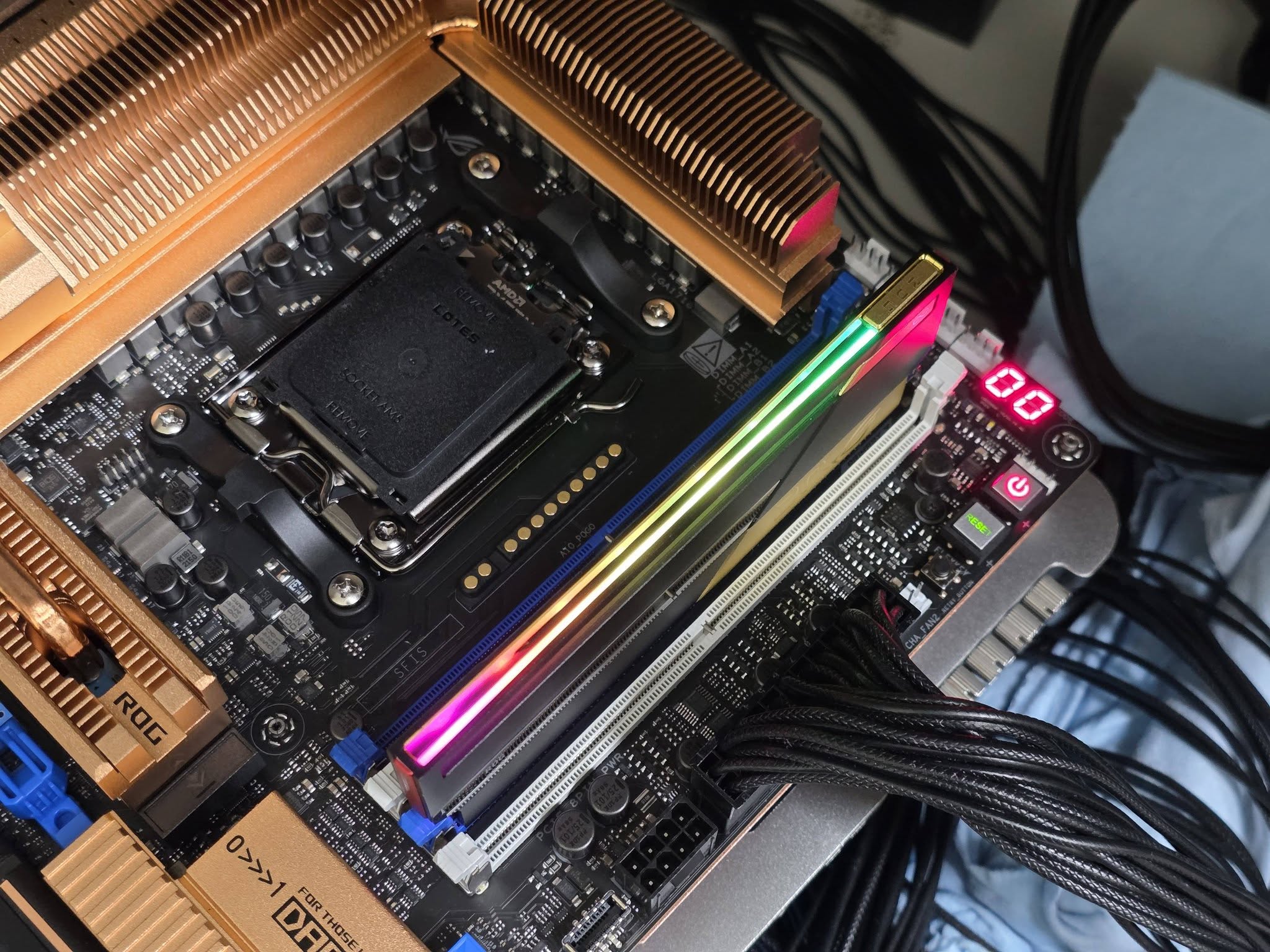
Intel is also working on a new refresh of its Raptor Lake CPUs that will include Core 7, Core 5, and Core 3 lineups on desktops with up to 20 cores, retaining compatibility on the LGA 1700 socket.
On the laptop side, Intel has also ramped up its Lunar Lake lineups to appeal to the masses while Panther Lake and Wildcat Lake continue to serve the premium and entry-tier segments using its own internal nodes.
This doesn't mean that Intel will not focus on next-generation lineups. Intel's Core Ultra 200S Plus CPUs gave new life to Arrow Lake after the lineup failed to impress gamers. The new chips offer much better value, and with recent discounts + game bundles , they are looking superb. On the other hand, Intel is working on Nova Lake for next year, which will continue to serve the high-end and enthusiast space.
In the coming years, we will see both AMD & Intel refocus on older DDR4 platforms, which will continue until prices return to normal. Current estimates suggest that memory prices are going to remain this way till at least 2029-2030, and neither company would want to leave out entry and mainstream tiers, which make up the bulk of their unit and revenue share.
Follow Wccftech on Google to get more of our news coverage in your feeds.