CXMT-based DDR5 memory continues to be a viable option for domestic Chinese audiences as modules hit 9000 MT/s speeds.
The recent surge in CXMT's DDR5 memory due to ongoing memory shortages has also allowed manufacturers and partners to deliver various optimizations. Motherboard vendors have been offering the latest BIOS support on their current-gen products, enabling better compatibility with CXMT-based DDR5 modules.
Meanwhile, memory module makers in China have started to procure high-quality DRAM ICs from CXMT for premium products. As the optimizations continue, we are now starting to see the result in the form of faster memory speeds and better timings.
Colorful is one motherboard manufacturer that has been optimizing support for CXMT's DDR5 memory. The vendor has so far showcased up to 8800 MT/s speeds on its X870 motherboards, but the latest one is the fastest speed yet seen on a module based on CXMT's memory dies.
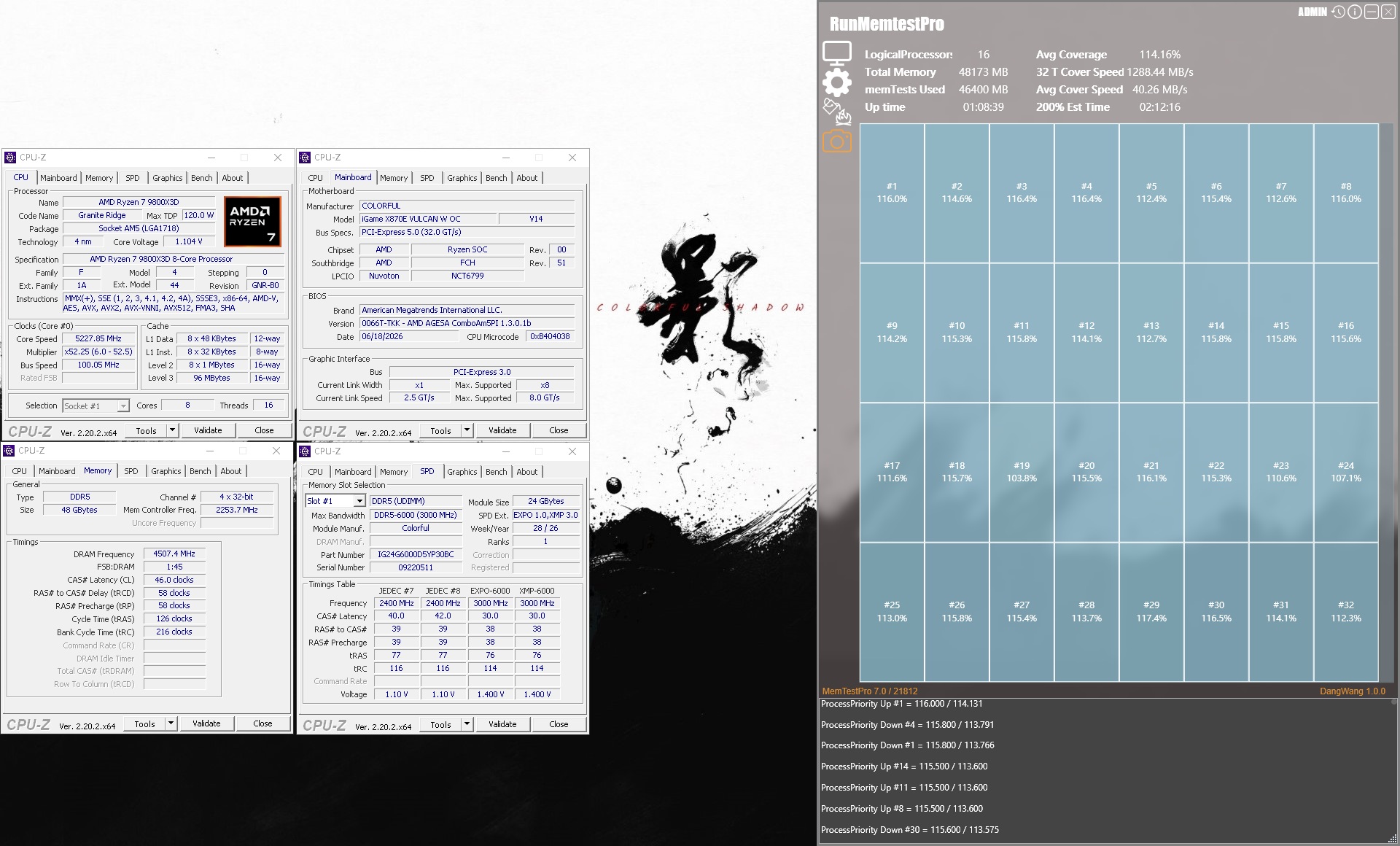
In its latest demonstration, Colorful once again used the X870E Vulcan W OC motherboard, which packs a dual-DIMM design geared towards memory overclocking. The board was equipped with different AMD Ryzen 9000 CPUs, and Colorful used its latest iGame Shadow II (24 GB x 2) memory, which features CXMT's DRAM modules and has an EXPO profile rated at up to 6000 MT/s speeds.
The first demo showcases the DDR5 memory running at 9000 MT/s speeds with an AMD Ryzen 7 9800X3D CPU. The kit was running at CL46-58-58-126-216 timings and ran stably in the widely popular RunMemtestPro benchmark with an average coverage of 114.6%.
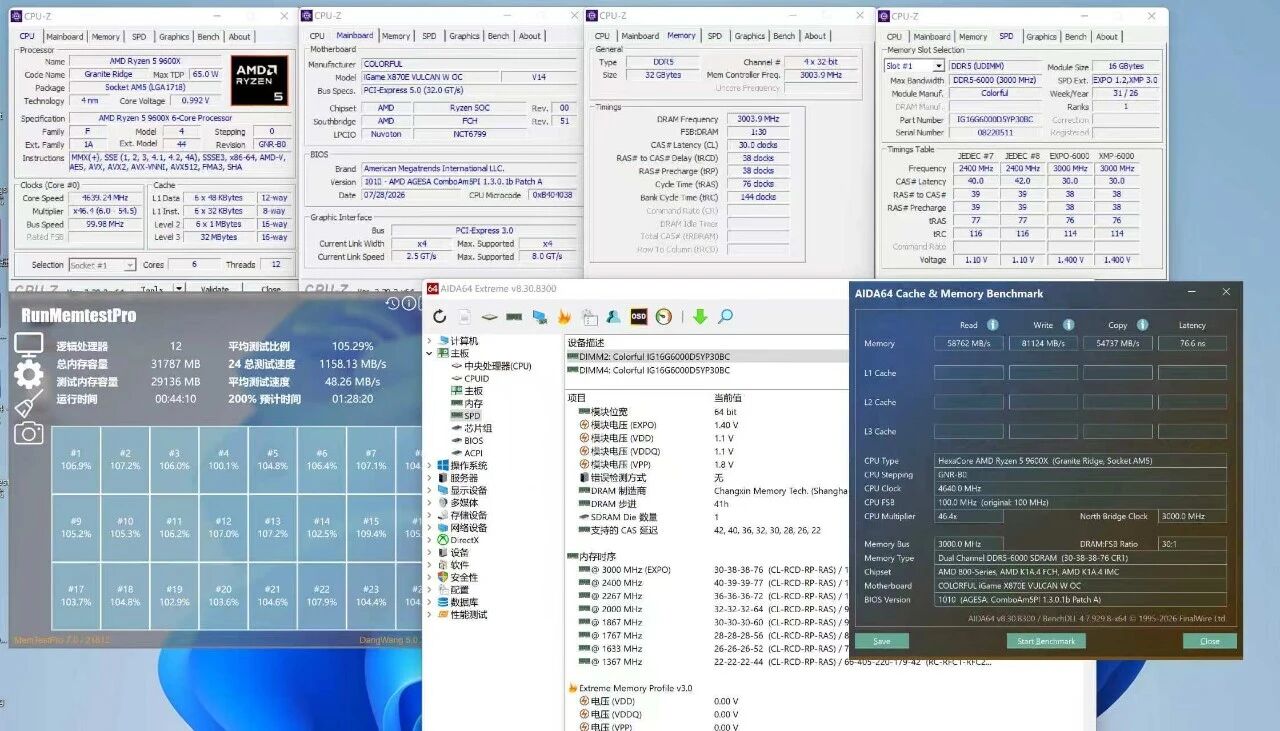
In the second test, an AMD Ryzen 5 9600X was used on the same CPU along with the same RAM kit. This time, the memory was running at 6000 MT/s at 1.4V, and the default EXPO timings of CL30-38-38-76-144 were loaded. Once again, the memory kit ran stably and delivered 58.7 GB/s Read, 81.1 GB/s Write, and 54.7 GB/s Copy speeds in AIDA64, while the latency was reported at 76.6ns.

Colorful isn't the only motherboard manufacturer that is showcasing tighter timings with CXMT DDR5 memory modules. ASUS has also shown off several of its AMD/Intel motherboards with similar modules from different Chinese manufacturers running at CL28 and CL30 timings at speeds of 6000 MT/s+. The memory configurations include dual 16 GB, dual 24 GB, and a mix of 16/24 GB modules.
ASUS has resolved the frequency ceiling issue of domestic memory chips, but the latency bottleneck persists: constrained by EXPO , XMP The native parameter library is missing, and the marketed domestic memory manufacturers generally conservative the timing of DDR5 6000 C36; And the low-latency timings of 6000C30 and 6000C28 sought by esports and productivity users have long only been reliably achieved with Hynix A-die/M-die chips; to obtain low latency, one must pay more for overseas memory chips, while domestic memory options can only compromise on latency performance in favor of cost-effectiveness.
In game scenarios, the timing gap between C36 and C28 can deliver a significant 1% low-frame improvement; this perceptible difference is noticeable in esports and AAA titles.
For tasks like video editing and AI rendering, lower memory latency can also reduce the time required for completion. Low timing is a crucial performance metric, second only to frequency.This time, we moved beyond the simple focus on high frequency, targeting the secondary timing of domestic granular memory, IMC signals , and a deep reconstruction of the refresh logic calibration scheme to address the final performance bottleneck of domestic granular memory.
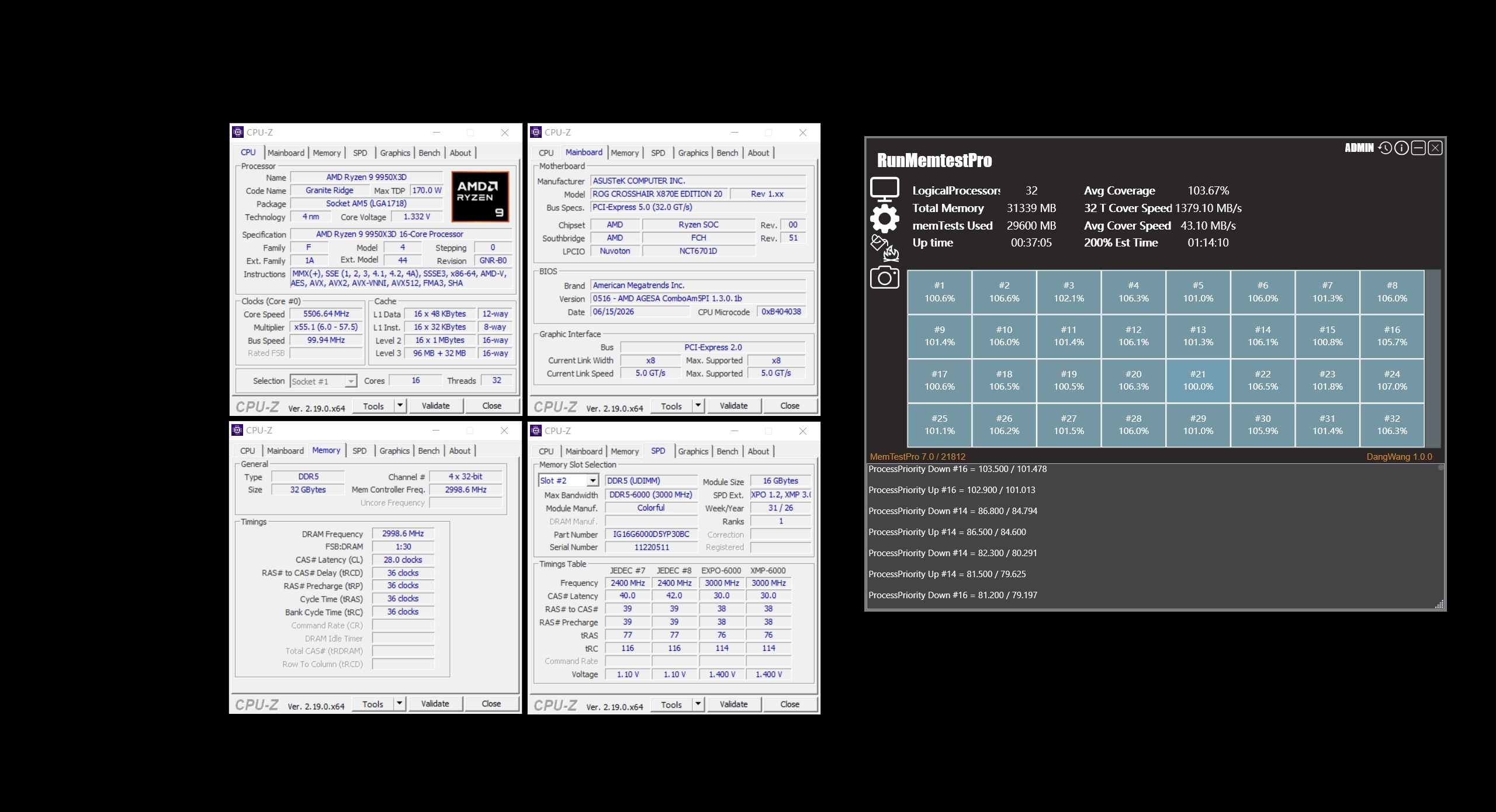
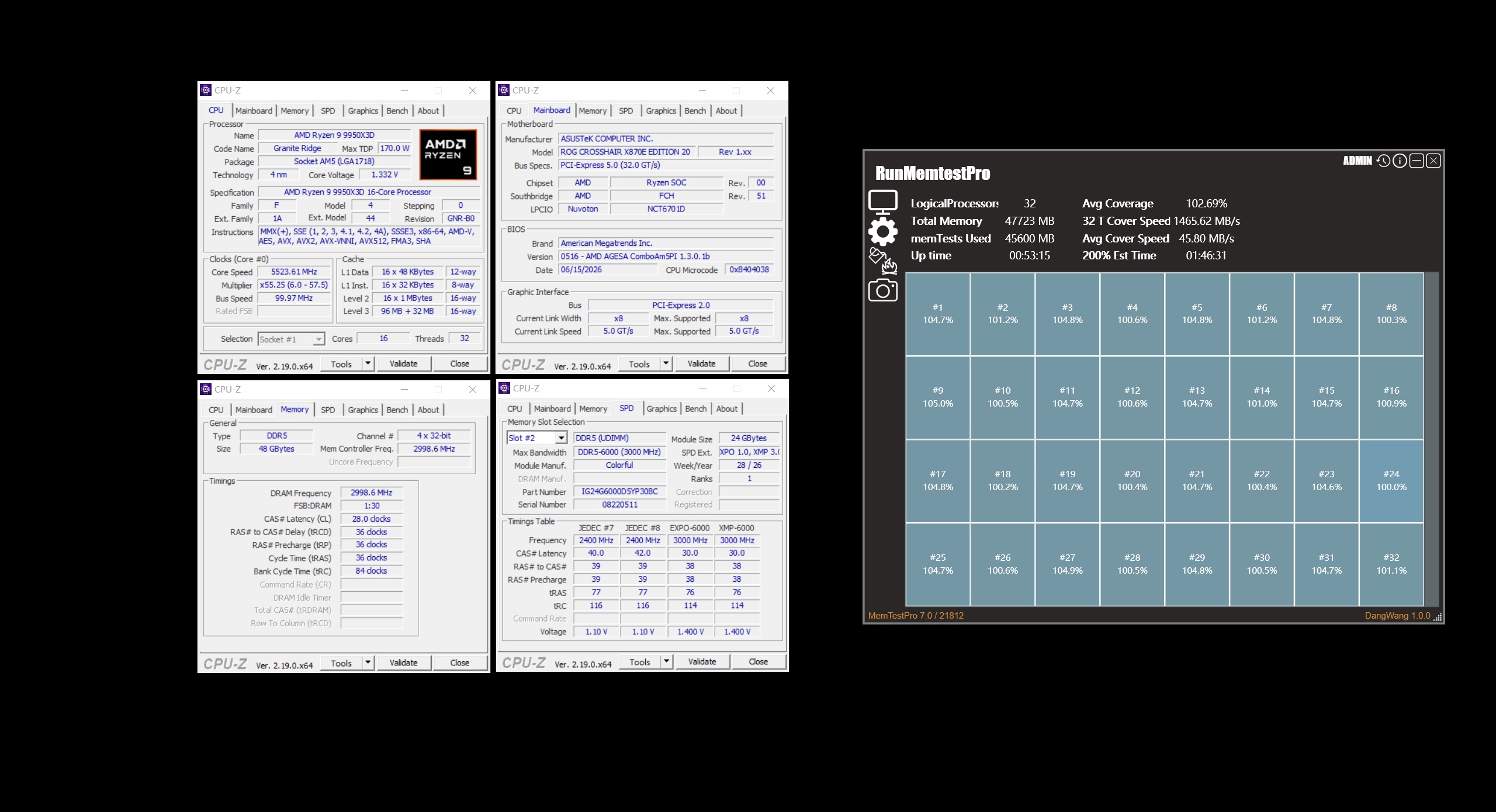
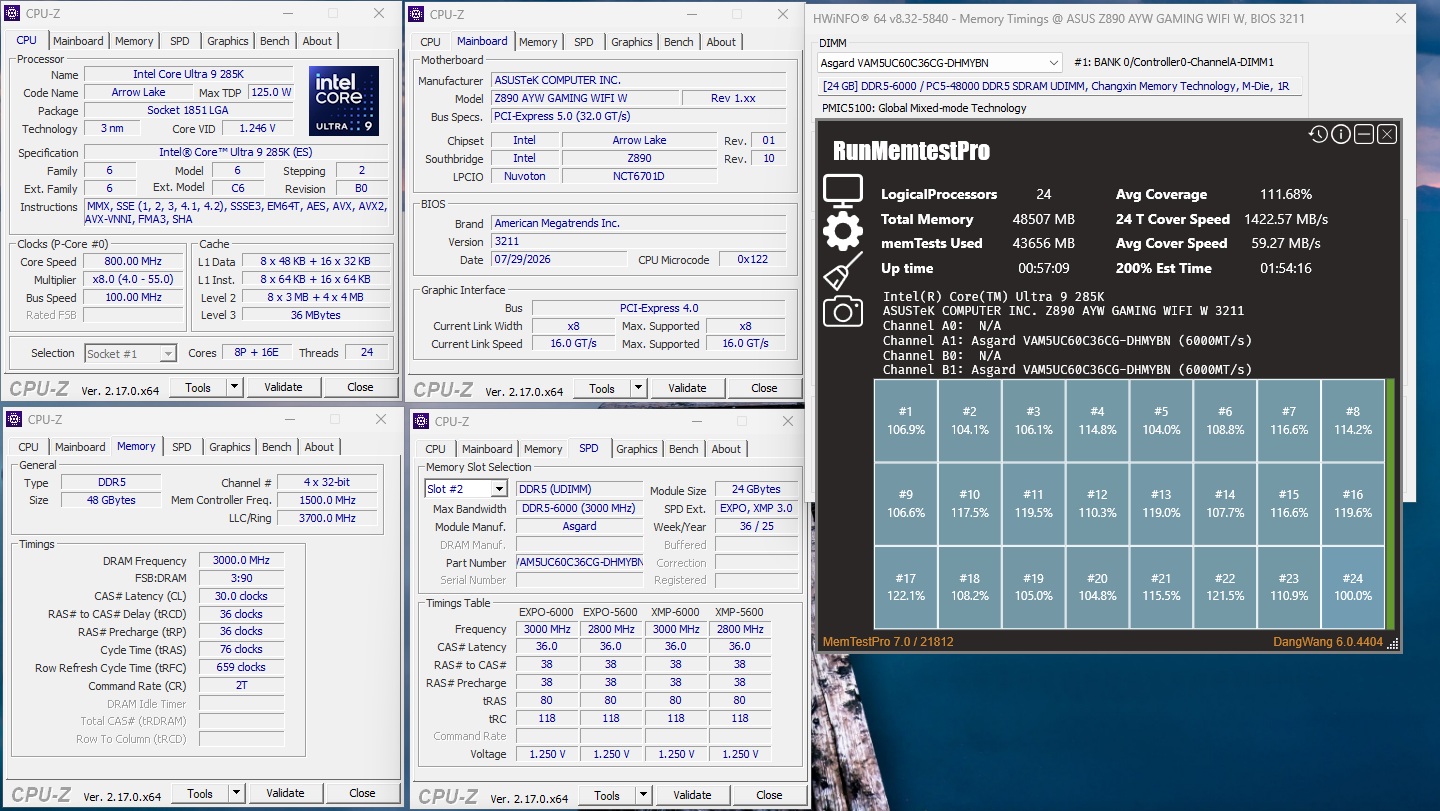
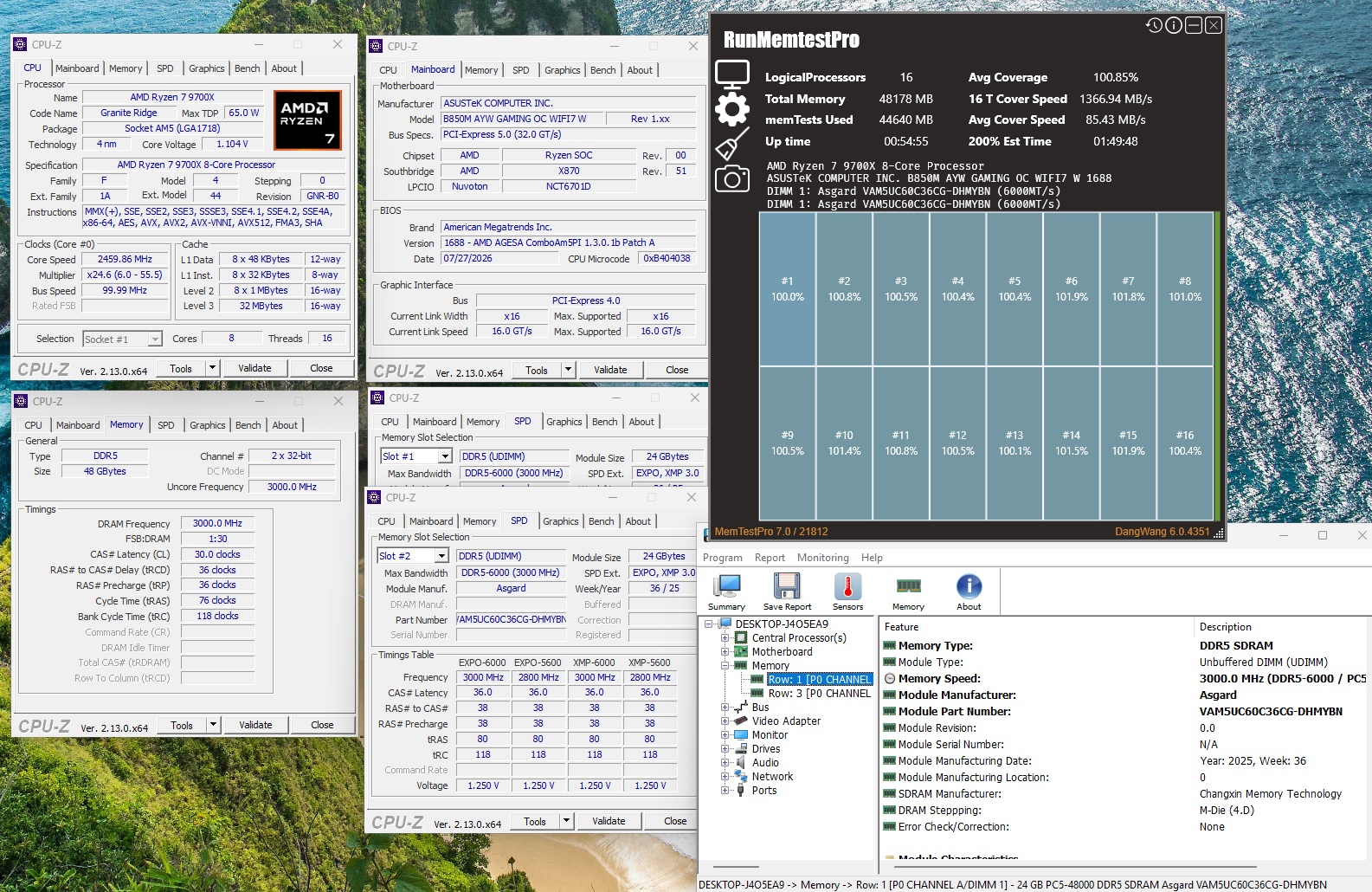
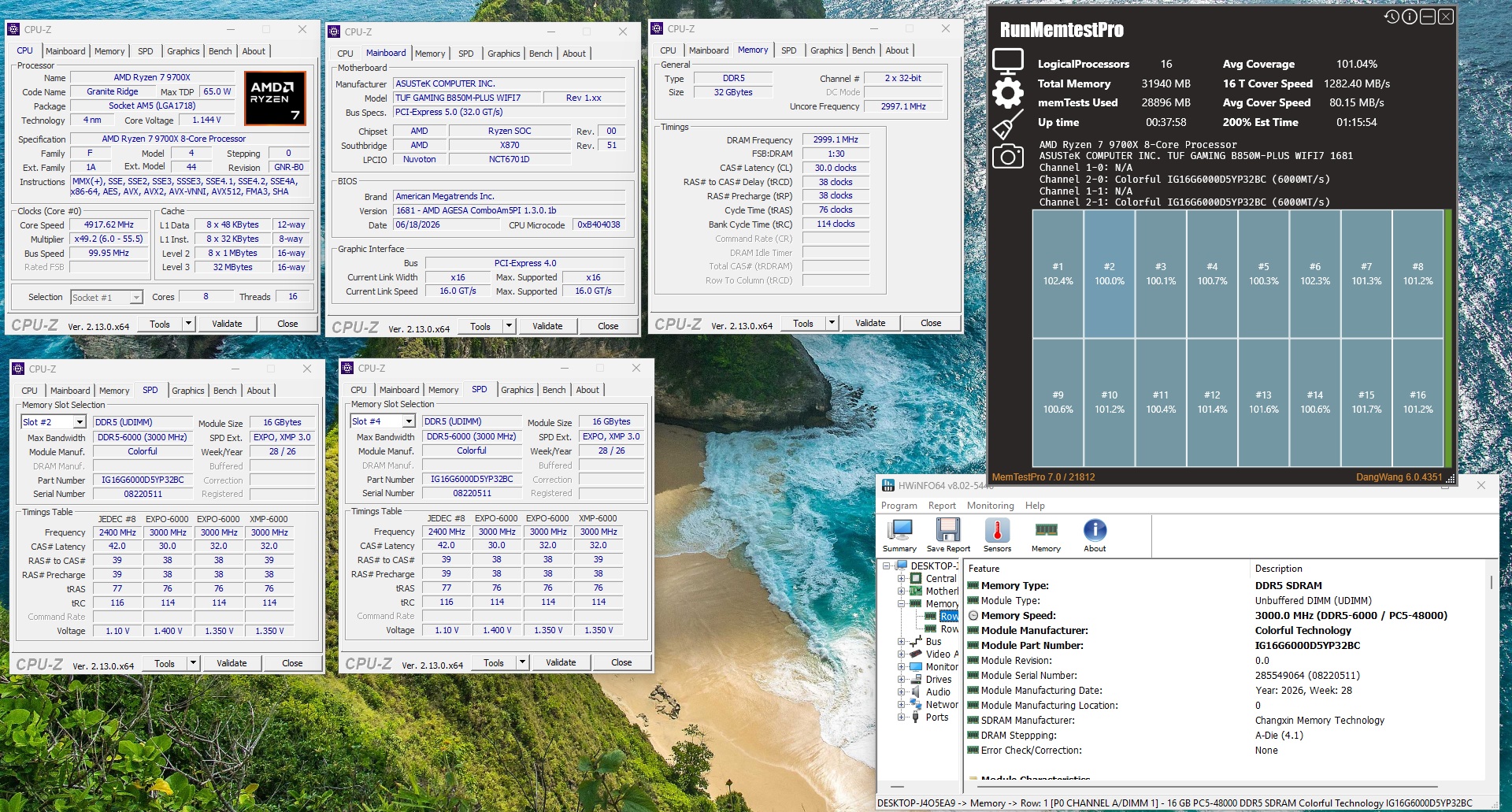
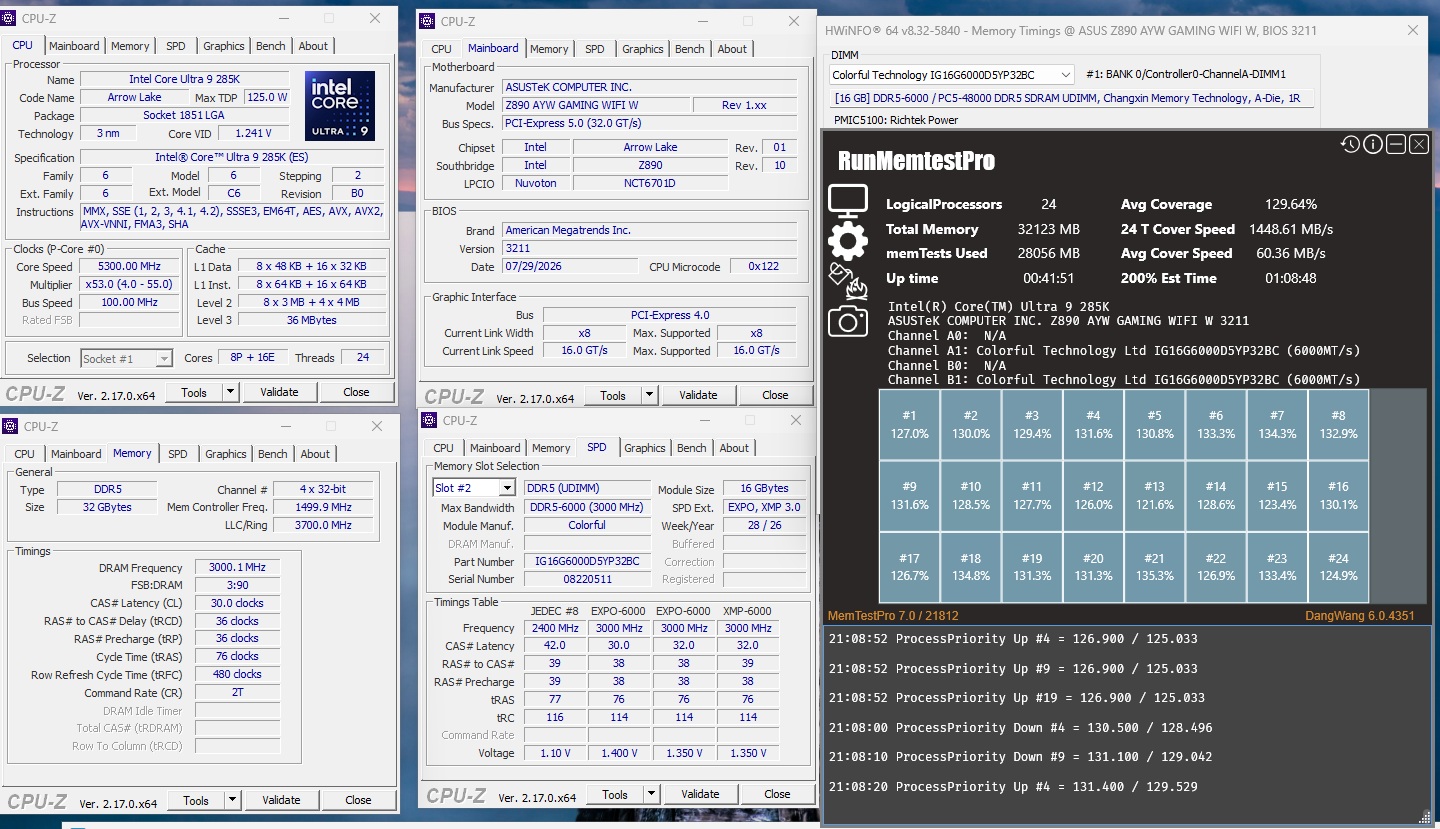
Once again, this proves the viability of CXMT's DDR5 memory as a great alternative to global memory brands. While the prices of CXMT's DDR5 memory are similar to global offerings, the main advantage is that they are readily available, which you can't say the same for other brands.
Shortages are affecting almost every memory module manufacturer, but while Micron, SK Hynix, and Samsung are prioritizing the premium AI segments, CXMT is still making commodity memory, and its recent long-term agreements with Chinese AI firms might dry up its DRAM supply well sooner rather than later.
Follow Wccftech on Google to get more of our news coverage in your feeds.