Russia’s role in Middle East politics endures, shifts to being ‘secondary power’

This Week in Asia Politics

Two Russian military bases will remain in Syria as the region continues to recalibrate its relations with major powers amid the Iran war

4 -MIN READ 4 -MIN
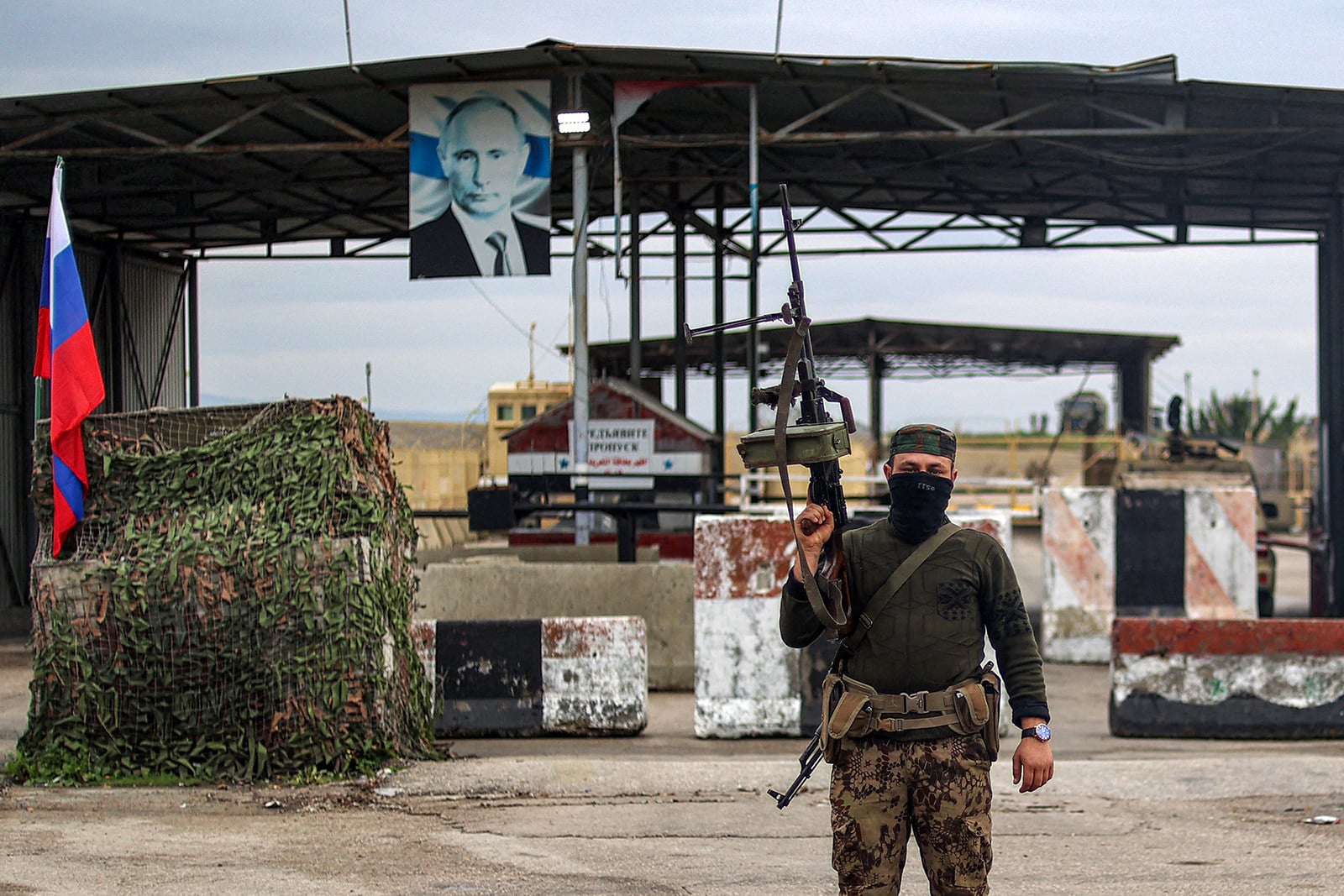
A Syrian rebel fighter stands at an inspection checkpoint for incoming vehicles before a Russian flag and Russian soldiers behind manning the entrance of the Russian-leased Syrian military base of Hmeimim in Latakia province in Syria in 2024. Photo: TNS
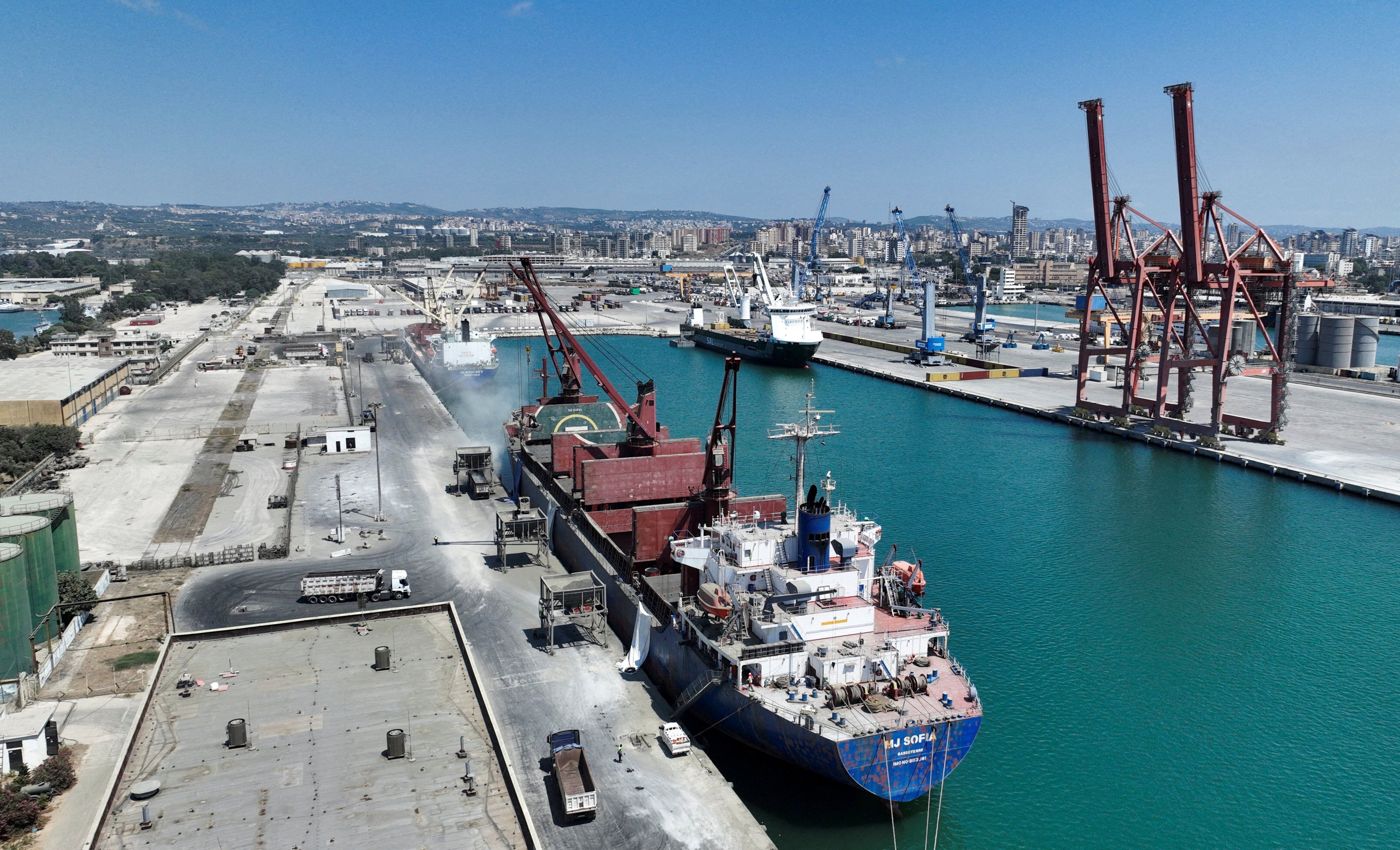
A view of Berth No 4, which was handed over by Russian forces to the Syrian government at the port of Tartus in Syria on Wednesday. Photo: Reuters
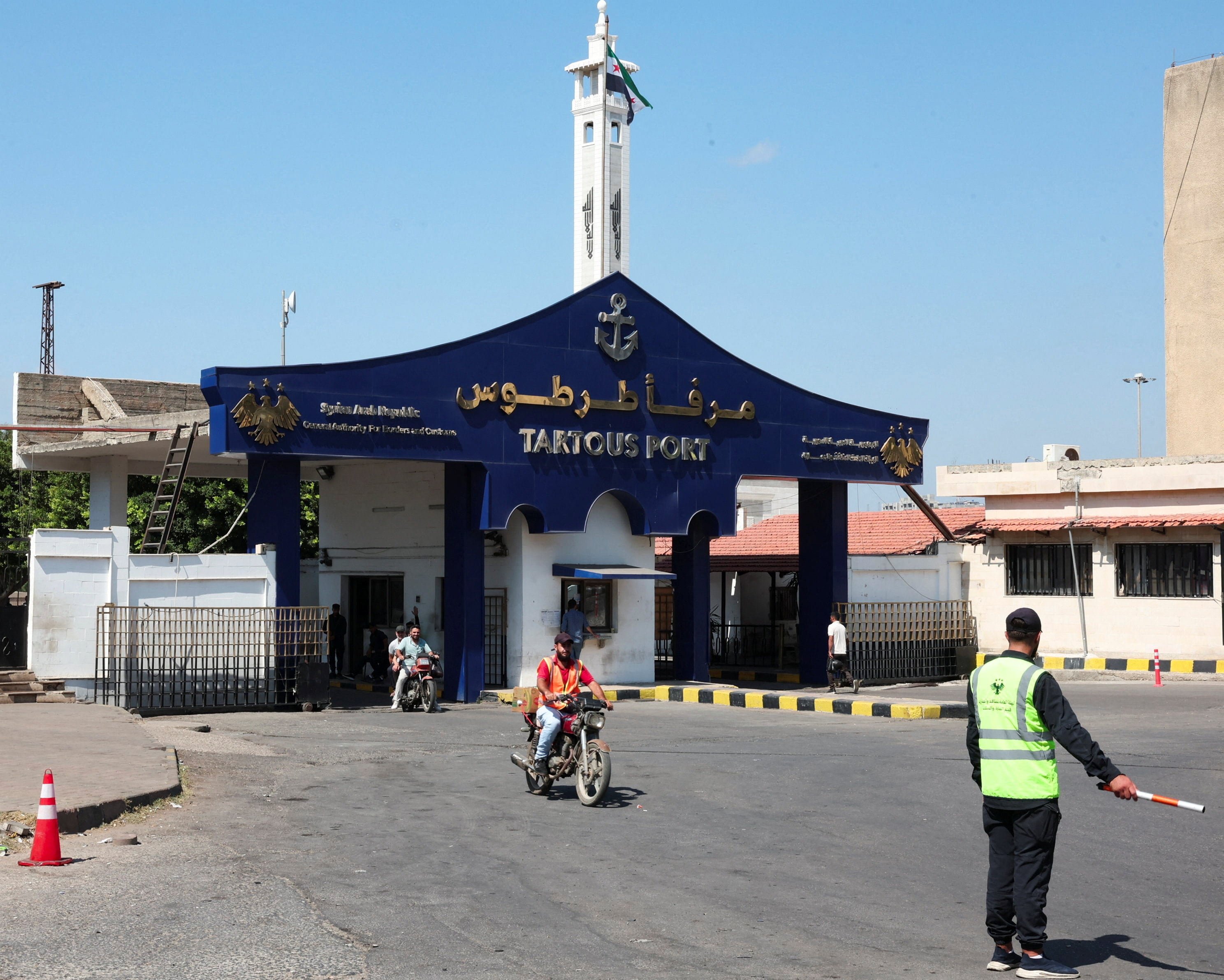
The entrance to the Port of Tartus in Tartous, Syria. Photo: Reuters

Russia is confounding expectations that its influence in the Middle East would drastically decline after the downfall of Syria ’s Assad regime in 2024.

At the time, Moscow operated about 100 military facilities in the war-torn country, following its intervention in the Syrian civil conflict from 2015 to prop up then president Bashar al-Assad in alliance with Iran and its regional proxies.

When Assad was forced to flee to Moscow, and control of most of Syria was seized by Islamist rebels led by current President Ahmed al-Sharaa , Russia looked set to lose the air and naval bases that enabled it to project power in the Middle East and North Africa.
Instead, President Vladimir Putin ’s government has managed to hold on to its two most precious assets in Syria: Hmeimim airbase and a portion of the port in Tartus, Russia’s only warm-water naval base in the Mediterranean.

According to a deal announced by the Syrian foreign ministry on Sunday, Russia’s only two official military bases outside the former Soviet Union would be turned into “joint training and capacity-building centres, within new arrangements that preserve mutual interests”.

No further details were given, but Russian military contingents would reportedly remain at both facilities under the new arrangement.