TechSpot means tech analysis and advice you can trust .
In context: A new Mac Mini assembly line at Foxconn's Houston facility is expected to begin production later this year, expanding Apple's US manufacturing footprint for AI-related hardware. The project is part of Apple's effort to increase domestic production while continuing to rely on contract manufacturers and an international supply chain.
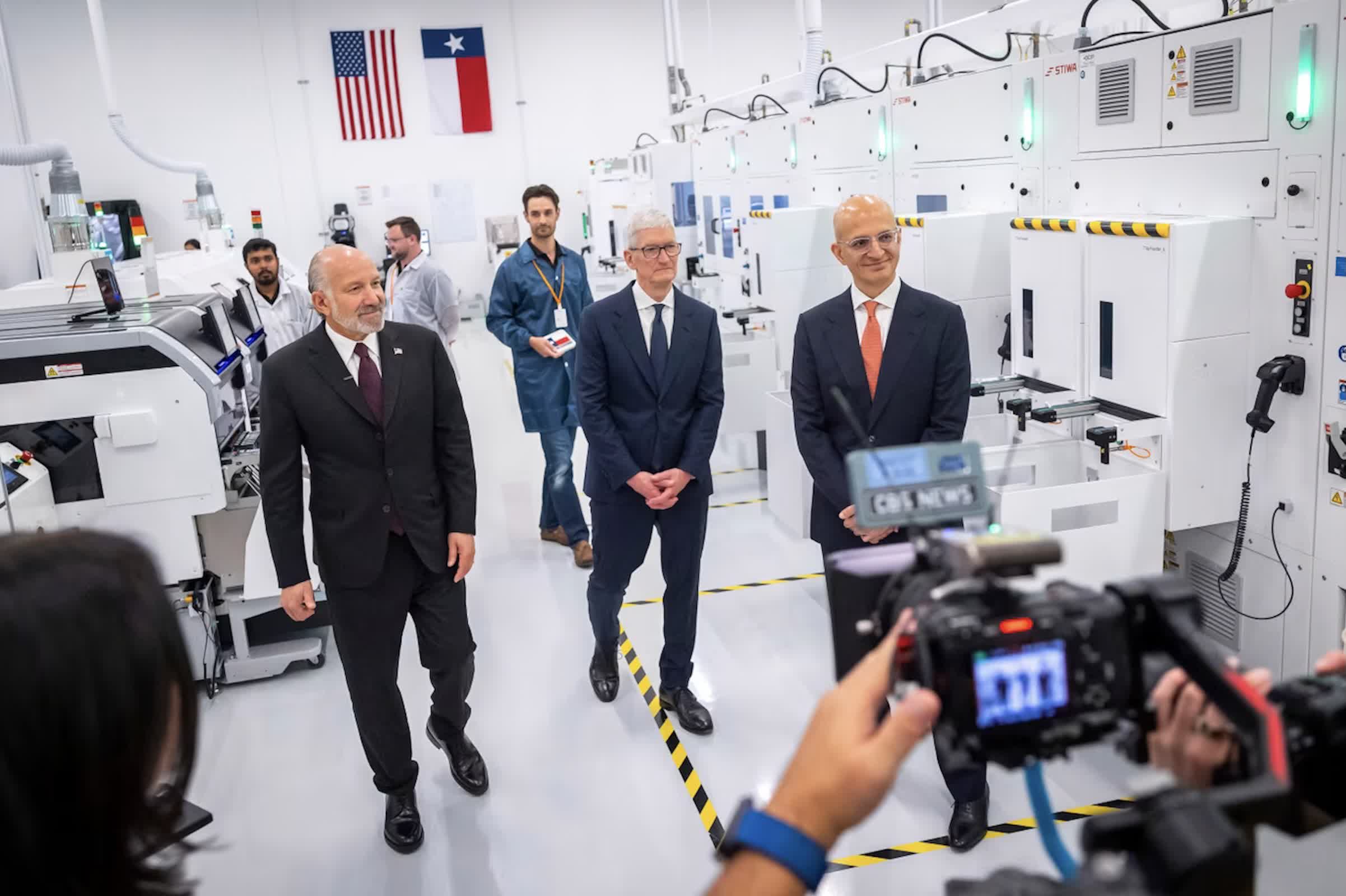
The line will operate in a new 170,000-square-foot space at the plant, which already makes AI servers for Apple. Foxconn is funding the assembly-line buildout, while Apple has committed to purchasing the products made there.
The Mac Mini has seen stronger demand over the past year, particularly among customers using the compact desktop to run AI models at home. Its planned Houston production also comes after Apple discontinued the Mac Pro, which was assembled in the US at a Flextronics plant that President Trump visited with Apple CEO Tim Cook in 2019.
Cook and Commerce Secretary Howard Lutnick toured the Houston site last week. The visit included a new manufacturing school that Apple is opening to provide hands-on training for small and midsize US companies. Apple previously launched a classroom-based manufacturing program in Detroit.
"Advanced manufacturing is where the puck is going," Lutnick told workers taking an Apple manufacturing course. "The problem is we need to train Americans."
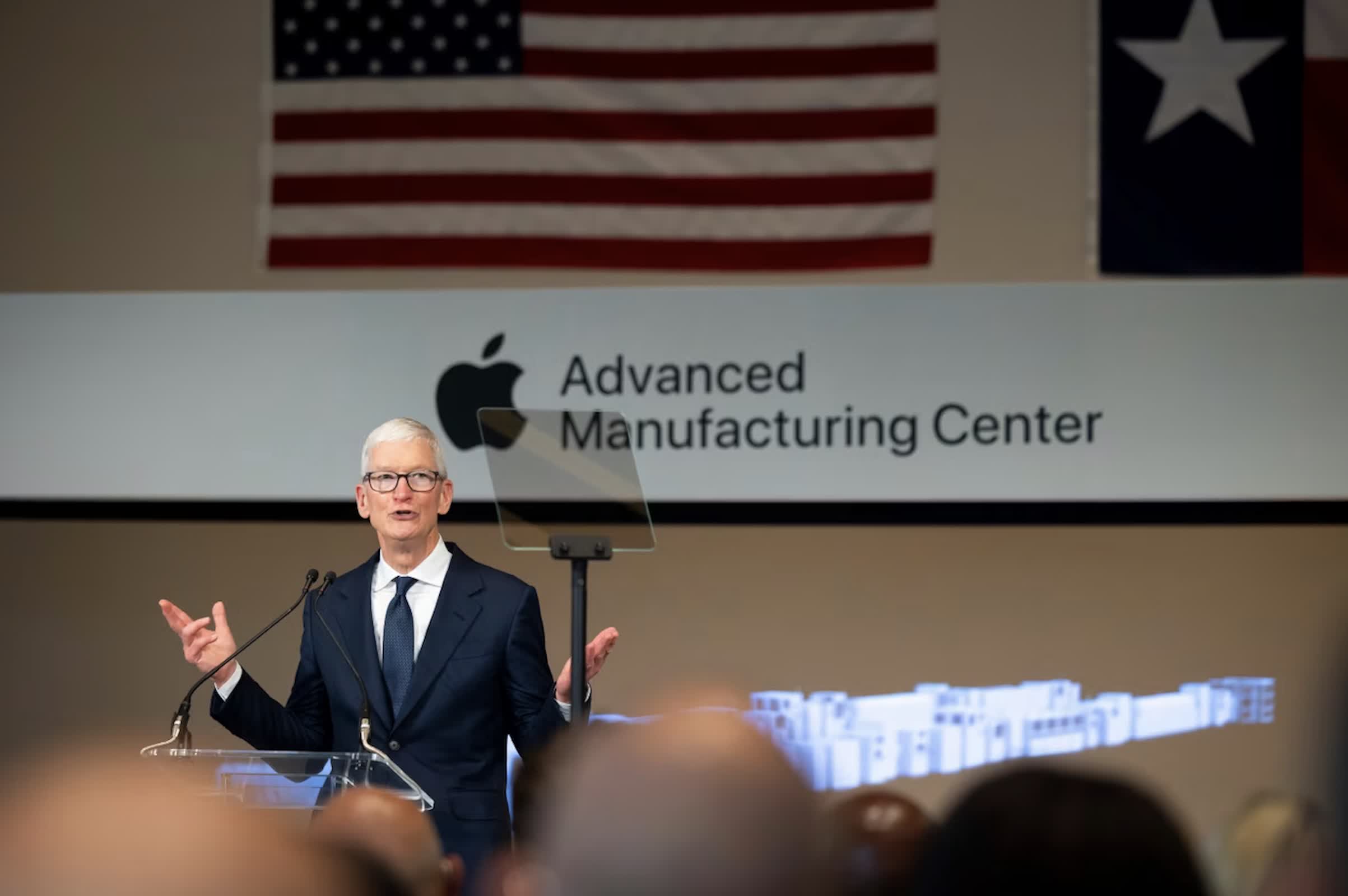
Cook said Apple's US investment plans reflect its broader commitment to domestic production. "We believe in the promise of this nation and we're proud to put our money where our mouth is," he said in a speech.
Apple's investment strategy relies heavily on its purchasing power rather than on building and owning factories. The company's capital spending remains far below that of Amazon, Microsoft, and Google, which have made major investments in AI infrastructure and semiconductor capacity. Apple's total capital expenditures since 2023 are less than what each of those companies spent in its most recent quarter.
That model is evident in Houston. Foxconn is paying to build the production lines, while Apple is supporting the project through product orders. The arrangement preserves Apple's long-standing reliance on manufacturing partners while allowing it to use its supply-chain scale to influence where production and component sourcing take place.
// Related Stories
Apple has made similar commitments in semiconductors. The company is among the businesses that have agreed to buy chip wafers from TSMC's Arizona plant, a project expected to cost more than $200 billion. Apple has also reached a preliminary agreement for Intel to manufacture some of its device chips and said it plans to spend $30 billion on US-made chips from Broadcom.
The company has pledged to invest $600 billion in the US over four years. The total includes spending already planned for its American business, including employee pay, retail and corporate operations, and purchases from domestic suppliers.
The administration has encouraged Apple to expand its US manufacturing operations. President Trump has pressed the company to make iPhones domestically, but Apple has not announced such plans. Instead, it is expanding iPhone assembly in India.
The Houston event was among Cook's final public appearances as Apple's chief executive. He is expected to become chairman next month, with John Ternus, Apple's longtime hardware engineering chief, expected to succeed him as CEO.
Image credit: The Wall Street Journal