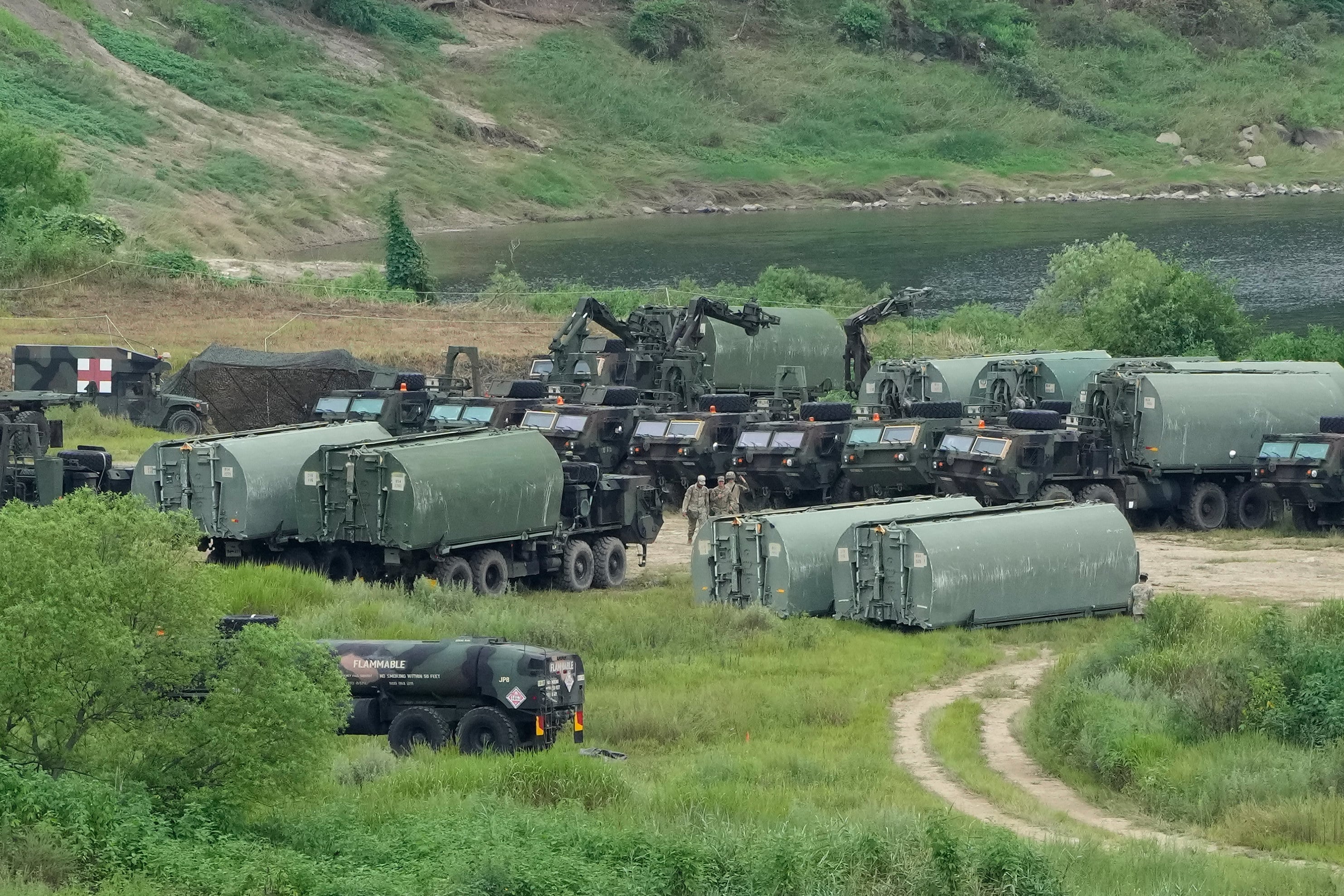
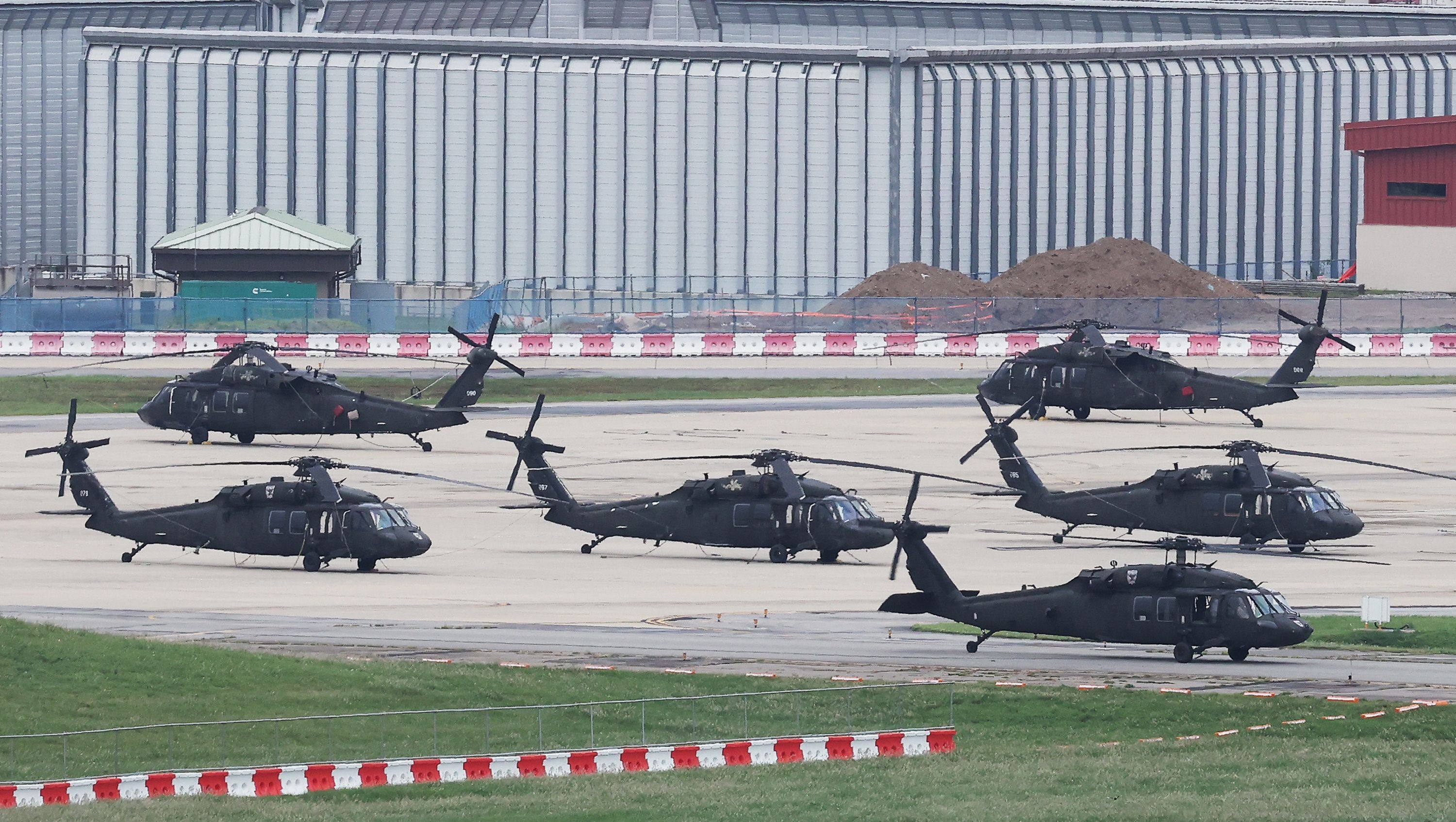

President Donald Trump ’s decision to scale back joint military exercises with South Korea does not just slight a long-time ally but raises broader concerns about the security interests of the United States in Asia and elsewhere.
Trump explained his decision by citing South Korea ’s refusal to join his war against Iran and pointing to what he said was his good relationship with North Korea’s reclusive dictator Kim Jong-un , a transactional and personal approach to foreign policy that has defined the Republican’s presidency.
“There is no American interest that I can see in this,” said Dan Fried, an assistant secretary of state for European affairs in the George W. Bush administration. “On all levels it makes no sense. It undermines the South Koreans, undermines the Japanese, frightens the Taiwanese, unnerves Nato and emboldens the Chinese, not to mention the North Koreans.”
Trump’s decision to side with North Korea , which strongly objects to the annual joint military exercises, was “firmly in the ‘hard-to see-how-it-could-be-worse’ category”, said Danny Russel, former assistant secretary of state for East Asia and the Pacific in Barack Obama ’s administration.
Trump is punishing an ally while encouraging an adversary
“It is tragically upside-down. Trump is punishing an ally while encouraging an adversary,” said Russel, now a scholar at the Asia Society Policy Institute in New York. “He is protecting Kim Jong-un’s sensitive feelings from an unfriendly signal at the expense of US-South Korean security.”