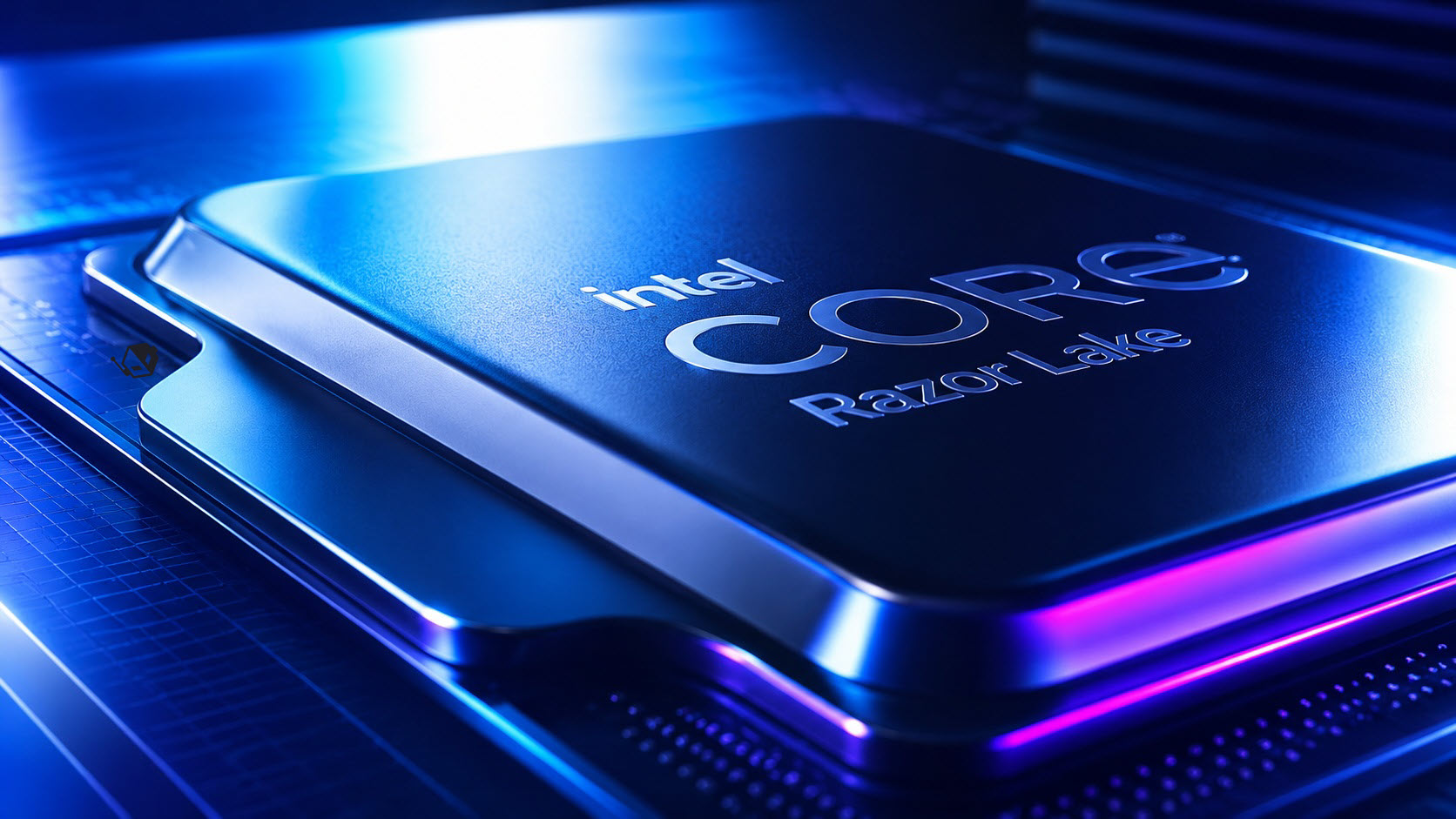
Intel Razor Lake CPUs , the follow-up to Nova Lake, will be based on TSMC's N2X node & bring bLLC to laptop variants.
The upcoming Nova Lake CPUs will leverage a mix of TSMC N2P and Intel 18A technologies, but with the follow-up, Intel plans on using a more advanced variant of TSMC's 2nm technologies. As per Jaykihn at X , it is stated that Intel will leverage the N2X process technology for its Razor Lake CPUs.
Details for Intel Razor Lake are slim at the moment, but it was recently revealed that the standard "S/H" variants and "AX" variants will feature different architectures . The standard compute tiles will feature a mix of Griffin Cove P-Core and Arctic Wolf E-Core architectures, while the "AX" SKUs, which are being built to tackle AMD's Halo chips, will feature Coyote Cove P-Cores and Arctic Wolf E-Cores.
The Griffin Cove P-Core will be a "Tock" which means that it will be a brand new architecture compared to Coyote Cove P-Core.
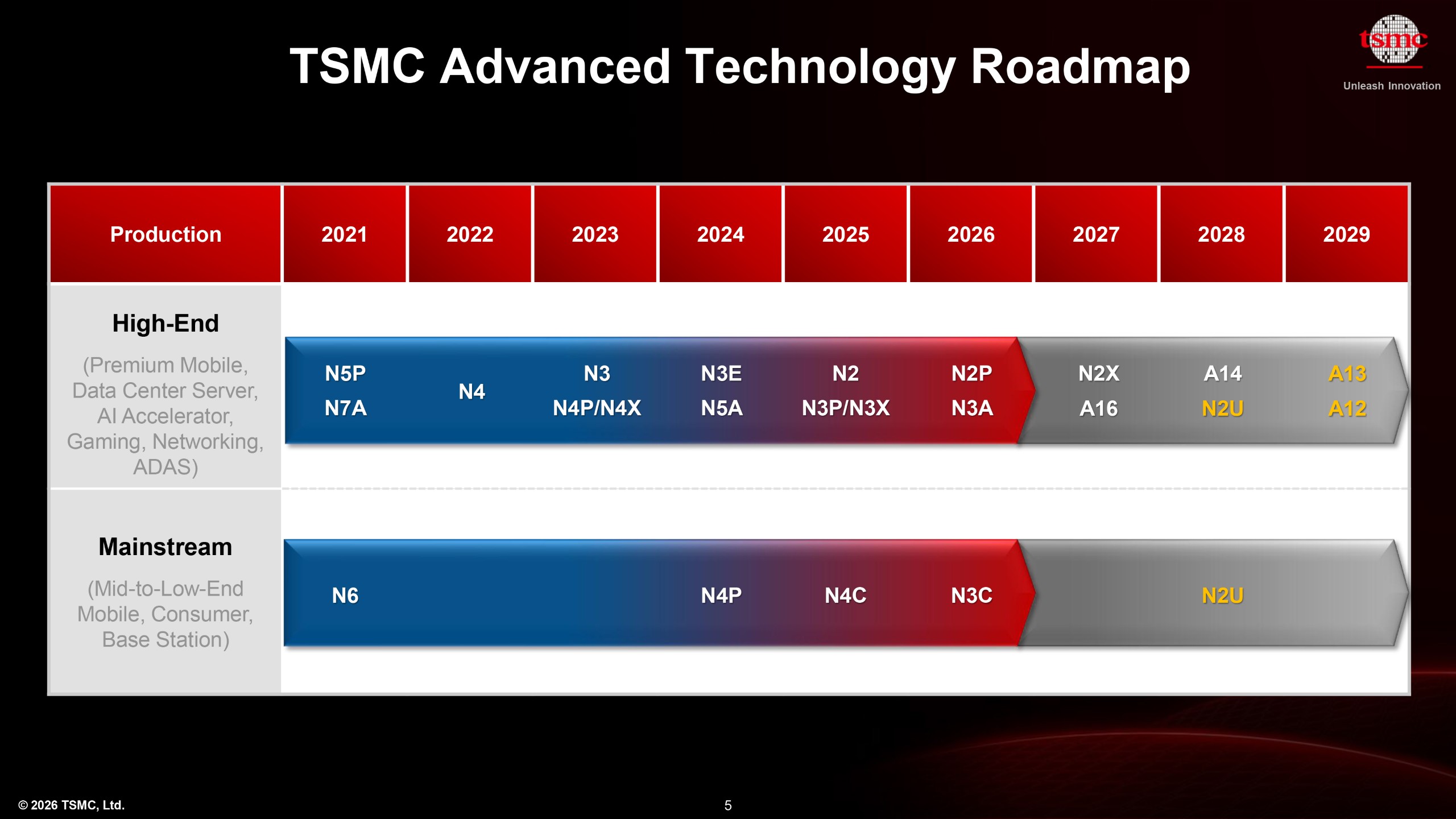
For the TSMC N2X process technology, it is going to offer higher frequency and current than N2P but with higher leakage and lower power efficiency. Since the focus is on peak performance from higher frequency, it makes sense why Razor Lake utilizes this process technology. Clock speeds are not known at the moment, but we can expect Razor Lake to scale beyond 6 GHz using the N2X node.
Another key detail mentioned by Jaykihn is that Razor Lake will be Intel's first family to bring bLLC, or "Big LLC" cache, to laptops. While Nova Lake-S Desktop CPUs will be the first to feature bLLC, it won't be featured on Nova Lake-H or Nova Lake-HX SKUs. Intel's enthusiast laptop platform will have to wait till Nova Lake-HX to get a taste of 3D V-Cache-like tech on mobile platforms. Nova Lake will come in up to 144 MB (Single Compute Tile) and 288 MB (Dual Compute Tile) L3 caches.
Other details of the Razor Lake-S/HX family include the integration of 2 Xe3 iGPU cores which is the same as Nova Lake-S/HX.
These will be competing with AMD's Ryzen HX3D chips, which have been offering 3D V-Cache since the Ryzen 7000HX & 8000HX "Zen 4" generation, and the current ones are part of the Ryzen 9000HX "Zen 5" family . These chips offer up to 128 MB of L3 cache, while desktop CPUs offer up to 192 MB of L3 cache with the latest dual-3D V-Cache layout.
Talking about future Intel CPUs, it is also revealed that Titan Lake will be the first unification of the P and E cores. Titan Lake will feature Golden Eagle E-Cores. The platform will either feature a mix of Copper Shark P-cores and Golden Eagle E-Cores or Copper Shark P-Cores with Copper Shark E-Cores .
With multiple client chips in development, we will see the unveiling of many core and graphics architectures moving forward, but for now, we are excited to see what Intel has in store for us in the coming year with its Nova Lake lineup, which is expected to heat up the consumer space with some disruptive offerings.
Follow Wccftech on Google to get more of our news coverage in your feeds.