TechSpot means tech analysis and advice you can trust .
What just happened? A Texas federal judge has declared key sections of the ATF's 2022 "ghost gun" rule unconstitutional. The regulations expanded the definitions of "firearm" and "frame or receiver" to cover certain weapon kits and partially complete components, requiring sellers to obtain federal licenses, add serial numbers, retain sales records, and conduct background checks.
The permanent injunction blocks enforcement of those provisions against Defense Distributed and current or future members of the Second Amendment Foundation . It covers the company's M1911 80% frames, G80 build kit, unfinished receiver, and grip module.
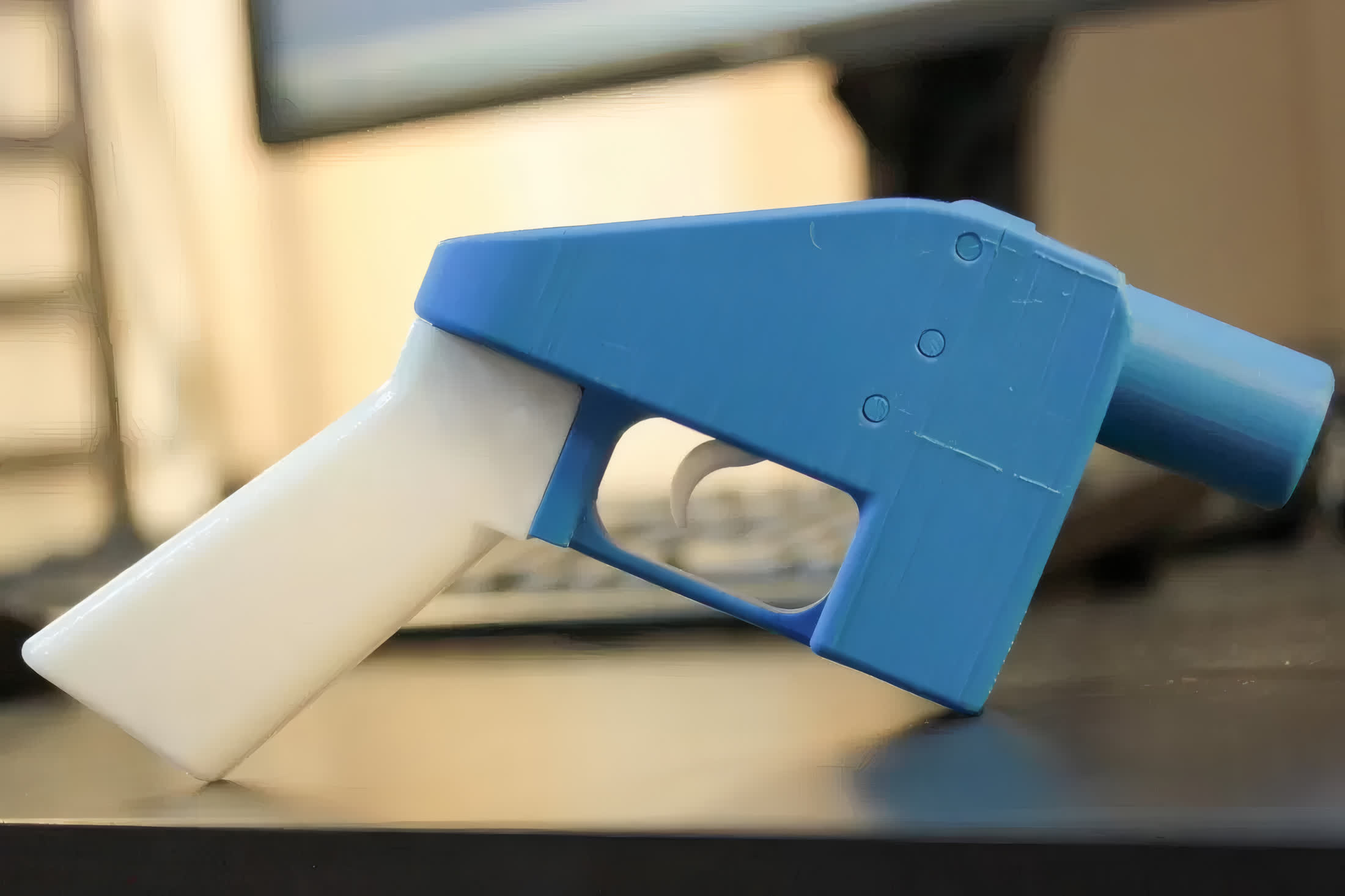
The decision has plenty of implications for 3D-printed parts. The rule says a printing, forging, casting, extrusion, or unmachined body can become a regulated frame or receiver once it is "clearly identifiable" as an unfinished firearm component.
That threshold formed the basis of Judge Reed O'Connor's Fifth Amendment ruling. The ATF weighs eight nonexclusive factors, including time, ease, expertise, equipment, expense, parts availability, scope, and feasibility, to determine whether an item can "readily" be completed.
O'Connor said the rule fails to establish when a piece of metal or plastic crosses the line into becoming a firearm. It leaves people guessing whether a printed or machined part is regulated while giving the ATF too much enforcement discretion. He ruled that the definitions are void for vagueness under the Fifth Amendment's Due Process Clause.
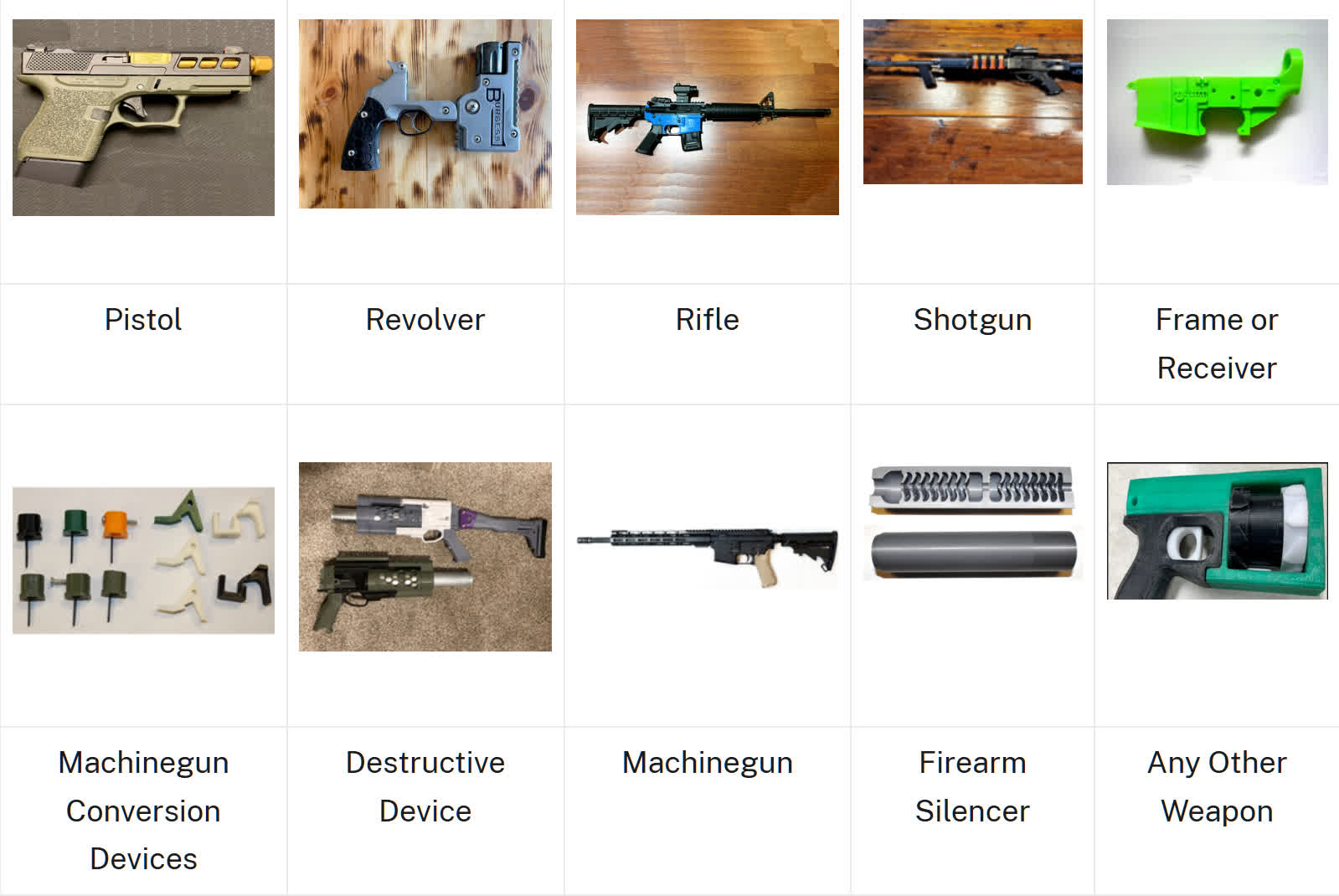
The ten types of privately made firearms (PMFs)
The judge also found that the restrictions violate the Second Amendment by limiting access to components needed to build or repair personal firearms. The government cited colonial laws requiring gun barrels to undergo safety testing and rules governing the storage and transportation of gunpowder.
// Related Stories
O'Connor rejected those comparisons because they addressed accidental explosions and defective products, while the ATF rule is intended to help police trace firearms and prevent prohibited people from obtaining them. He wrote that the regulation "contradicts the actual historical tradition of personal gunsmithing," adding that privately making firearms was common in early America.
The Supreme Court upheld the same rule in a 7-2 decision last year, finding that the Gun Control Act allowed the ATF to regulate some easily completed kits and unfinished receivers. However, that ruling considered the agency's statutory authority, not the constitutional questions decided by O'Connor.
The ATF say s people may still make detectable firearms for personal use with a 3D printer or other tools and generally need not serialize them unless manufacturing guns as a business. The agency says approximately 45,240 suspected privately made firearms were recovered from potential crime scenes between 2016 and 2021.
Defense Distributed's legal battle over 3D-printed firearms stretches back years. In 2018, a Justice Department settlement allowed the company to publish its gun blueprints online, but a federal judge declared the deal illegal the following year. More recently, researchers have investigated whether printer toolmarks could help trace 3D-printed guns.
The latest decision doesn't overturn the ATF rule nationwide, but it protects Defense Distributed, SAF, and current or future SAF members. An appeal is expected.