TechSpot means tech analysis and advice you can trust .
DRM from the 90s: Thirty years ago, id Software tried to take advantage of the massive storage capacity of the CD-ROM format by bundling the studio's previous games with Quake. The system designed to manage this "unlocking" feature failed spectacularly, giving crackers and pirates an easy way to play all the company's games without paying any extra.
Quake recently turned 30 , and id Software celebrated the milestone by releasing new content for the game's "enhanced" version. However, a more recent story highlights some of the unusual business decisions made by the Texas-based studio back in the 1990s. The game that broke id's old guard was also instrumental in making life much easier for pirates than it should have been.
According to a recent post by developer Fabien Sanglard, the Quake shareware CD contained many of id Software's previous games, which could be unlocked on demand. The idea was that gamers would "taste" the first level of Quake and then spend more money to either purchase the full game or buy one of the company's previous FPS releases.
Quake's game assets took up just 22MB of storage, Sanglard explained, which is why someone at id proposed using the remaining space to boost the studio's overall game sales. The company put a large portion of its back catalog on the Quake shareware CD, using encryption and a convoluted process that allowed customers to activate additional titles through a credit card purchase and a phone call.
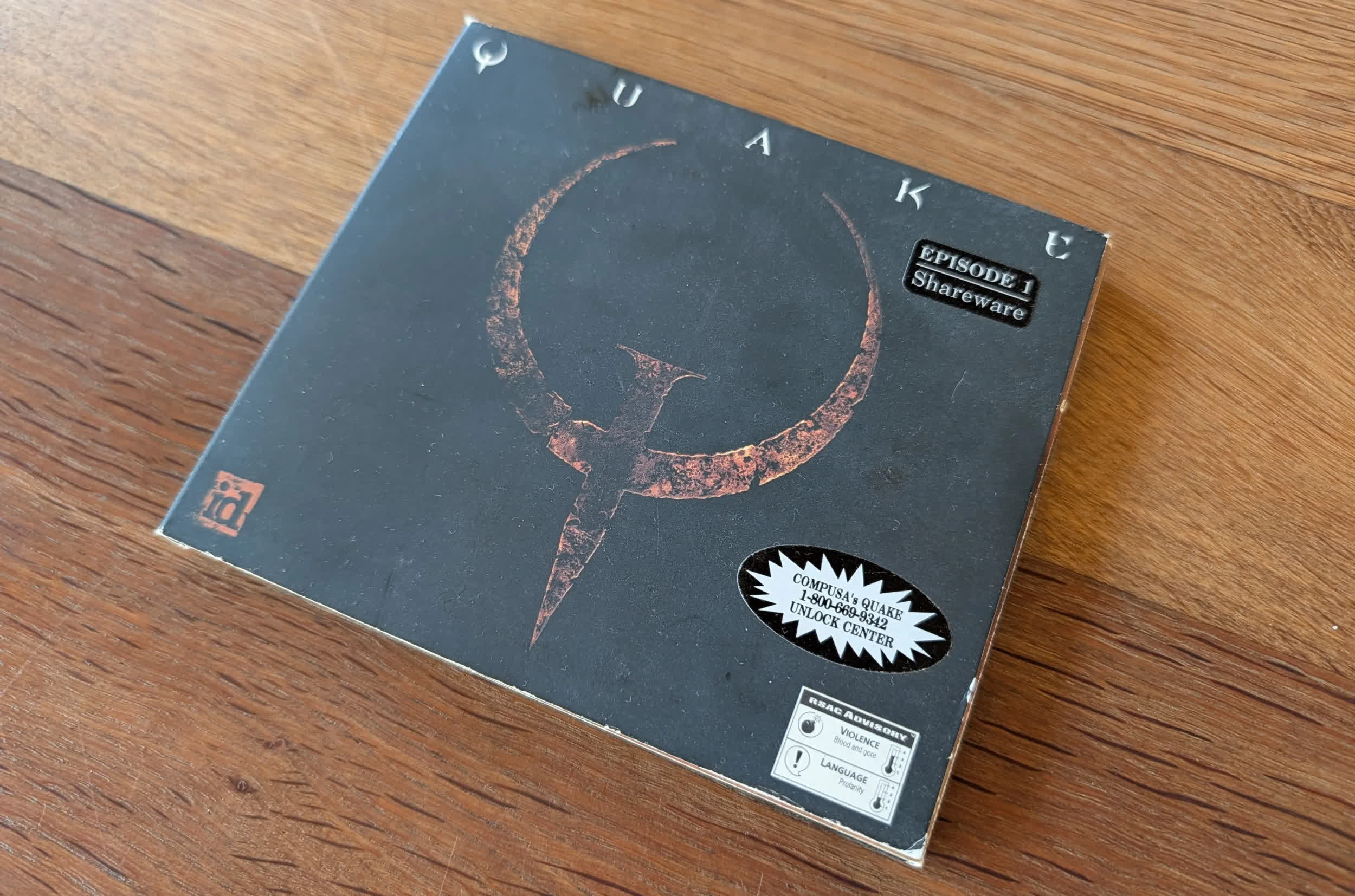
The unlocking feature was provided by TestDrive , a company that specialized in "try-before-you-buy" technology for software released on "high-capacity" CD-ROMs. Needless to say, the system turned out to be deeply flawed and extremely easy to defeat. The Quake shareware CD arrived in stores on August 30, 1996, and a hacker group known as "Gnomon" released the "Quakecrk.zip" cracking tool just 39 days later.
According to Sanglard's analysis, the Qcrack.exe tool contained in the Quakecrk.zip archive was able to exploit weaknesses in TestDrive's encryption scheme to unlock the full version of Quake, as well as other id games included on the CD, such as Final Doom, Doom II, Hexen, Heretic, and Wolfenstein 3D. The unlocking system was seemingly designed to provide customers with a serial number over the phone, but the serial was merely proof of payment and contained no "secret" data at all.
// Related Stories
Gnomon exploited this and other flaws in TestDrive's system to crack the CD's contents. The system wasn't even properly tested, as Final Doom could not be unlocked at all because of a bug in the code.
As recounted by David Kushner in his book Masters of Doom, the Quake shareware experiment turned out to be a disaster for id. After the crack appeared online and on BBS servers, the company was left with 150,000 pressed CDs piling up dust in a warehouse.