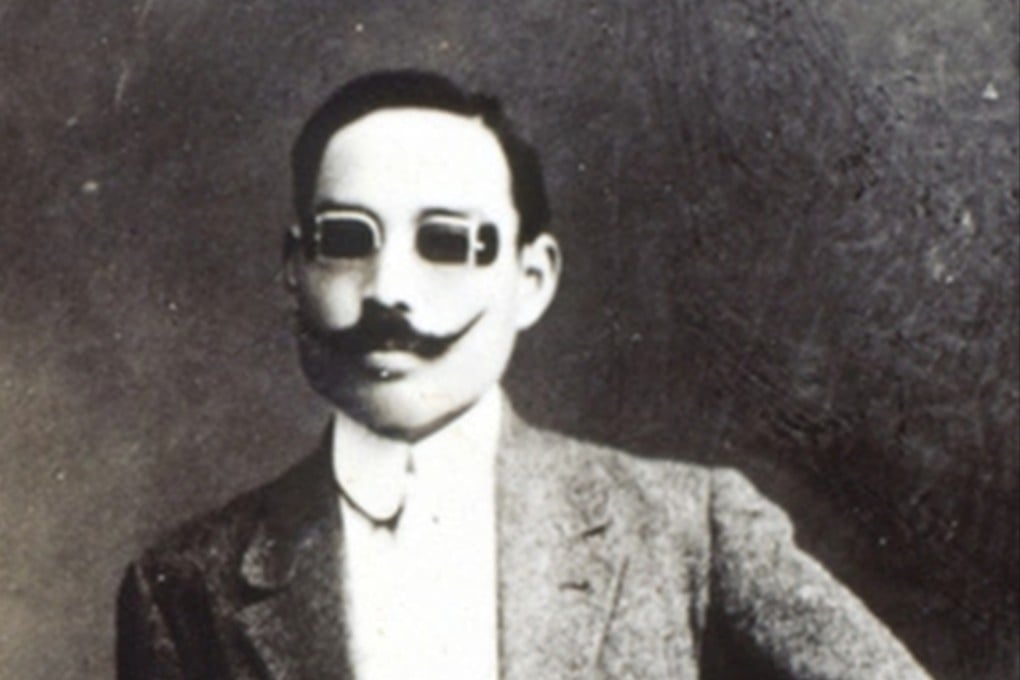
A Chinese historian has presented fresh research on China-based Korean independence leader Sin Kyu-sik at a symposium in Seoul co-hosted by Gwangbokhoe, the official association for those who fought against Japan’s occupation.
Sin, who was born in 1880, was one of many patriots who fled to China after Japan’s annexation of Korea in 1910 and played a crucial role in the fight for his country’s independence.
According to Sun Kezhi from Fudan University’s history department, Sin was the “chief planner” of the March 1 Movement of 1919, a pivotal overseas uprising against Japanese colonial rule that was triggered by nationwide public demonstrations in Korea.
The uprising galvanised the independence movement and led directly to the establishment of the Korean Provisional Government (KPG) in Shanghai later that year to coordinate resistance.
In his presentation on August 11, Sun told the gathering that Sin was also a key figure in the establishment of the KPG, according to a report on Thursday by Shanghai-based media outlet The Paper.