The deal is expected to give India critical design and engineering know-how to help build a long-term domestic submarine industrial base
3 -MIN READ 3 -MIN
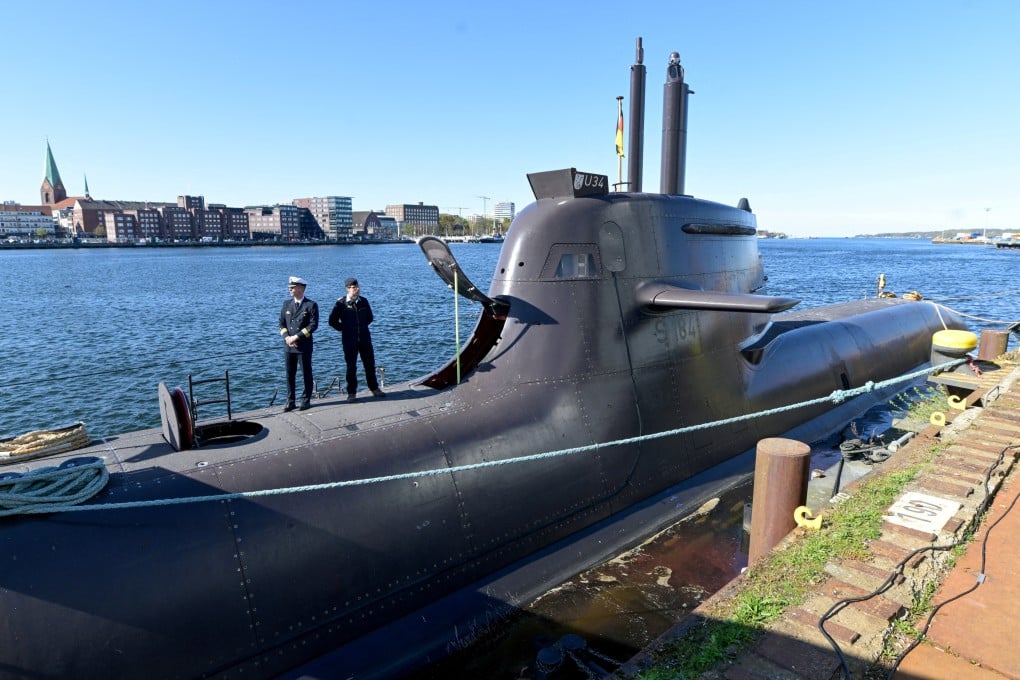
The US$7.3 billion deal would involve building submarines for the Indian navy with Germany’s ThyssenKrupp Marine Systems (TKMS), primarily at Mumbai’s Mazagon Dock Shipbuilders Ltd, India’s premier public sector defence shipyard.
Indian media have reported that the proposal is expected to go before the Cabinet Committee on Security, whose approval would clear the way for the contract to be signed. German officials have also publicly expressed confidence in recent months that the deal will conclude soon.
The deal, known as Project 75(I), has been delayed for years due to lengthy evaluations of complex technical specifications and commercial terms.
It is expected to give India critical design and engineering know-how to help build a domestic submarine industrial base over the long term, rather than simply adding more foreign-made platforms to its navy.
The development comes as two-thirds of India’s conventional diesel-electric submarines are more than 25 years old and nearing the end of their operational life.