This Week in Asia Politics
Back-to-back election losses and internal party rifts leave Malaysia’s prime minister clinging to a crumbling coalition
7 -MIN READ 7 -MIN
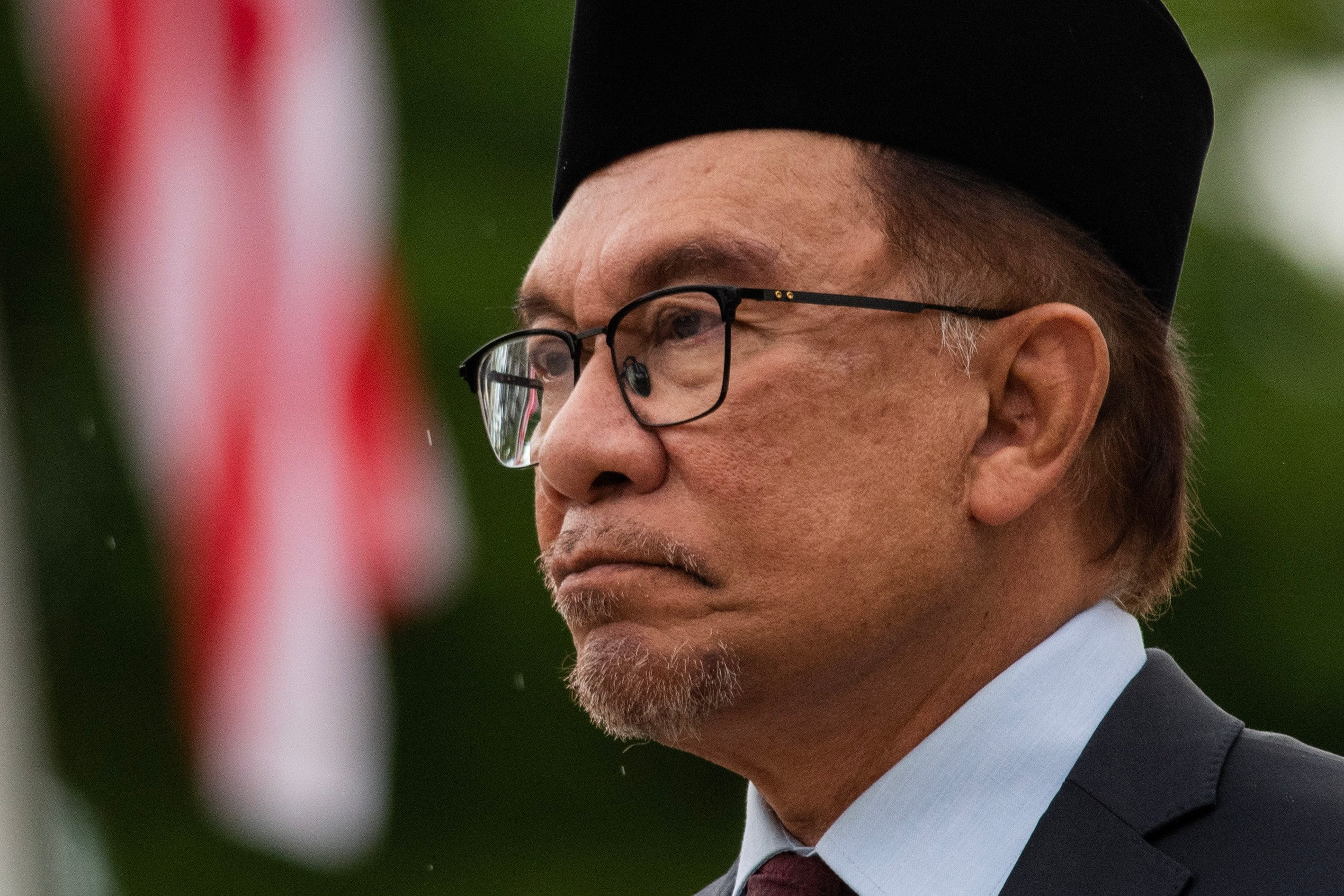
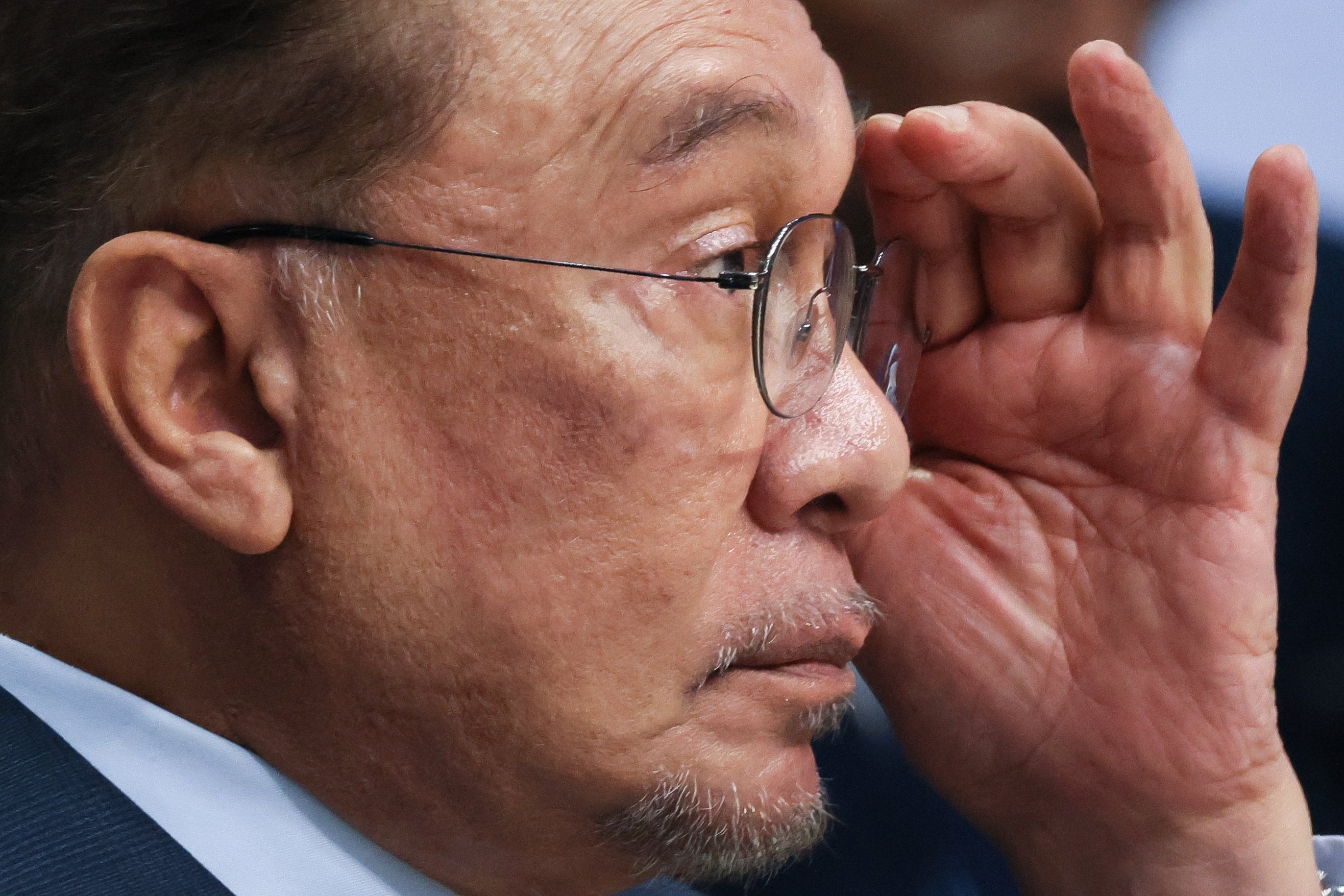
The roar from thousands of People’s Justice Party (PKR) delegates gathered at a grand convention centre in Melaka last weekend exuded all the confidence expected of a party leading Malaysia ’s government.
The past three years have been the culmination of more than two decades of struggle for PKR, with it finally achieving its long-held goal of installing leader Anwar Ibrahim as prime minister and wielding the power to push through reforms.
Yet beneath the confident facade lurks a ruling party now scrambling to find its way.
PKR’s victory in the 2022 general election came at the cost of the very reforms it had promised to deliver, as Anwar had little choice but to negotiate compromises with erstwhile rivals, including former ruling party Umno , to steady his administration. Those trade-offs did not go unnoticed.
Anwar’s ruling Pakatan Harapan (PH) coalition, of which PKR is a founding and principal member, has suffered a series of bruising defeats across three state elections since November – and whatever platform the prime minister gave a once-deflated Umno has turned the party into the greatest threat to his rule.
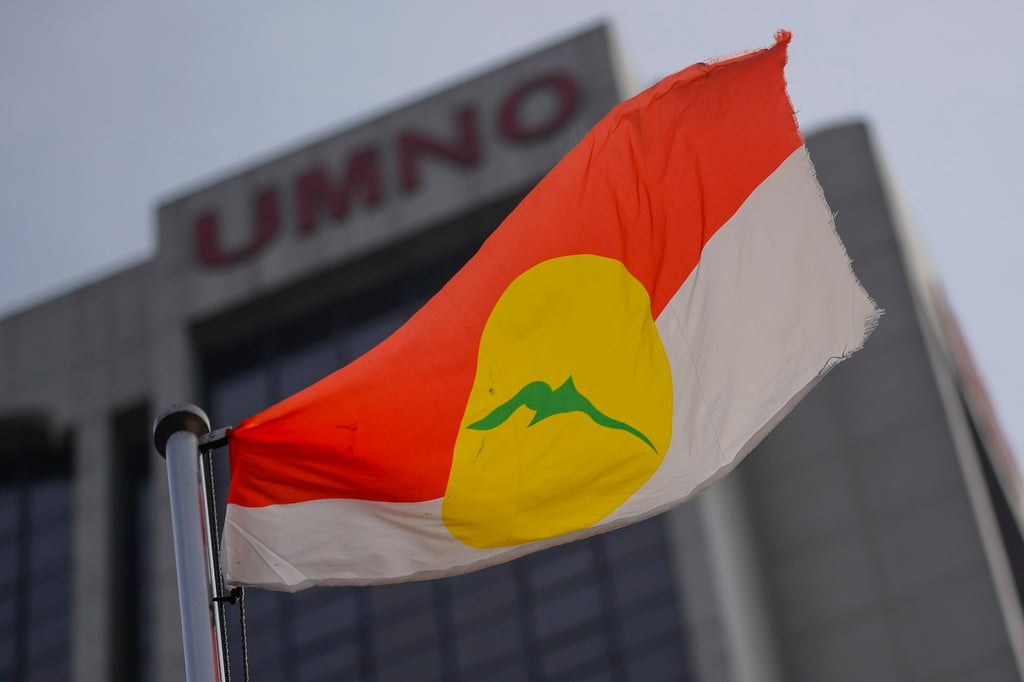
Staring down the possibility of being turfed out of Putrajaya after just one term, PKR members are left wondering how to reverse the trend, especially as surging Malay nationalist sentiment carries a resurgent Umno forward.