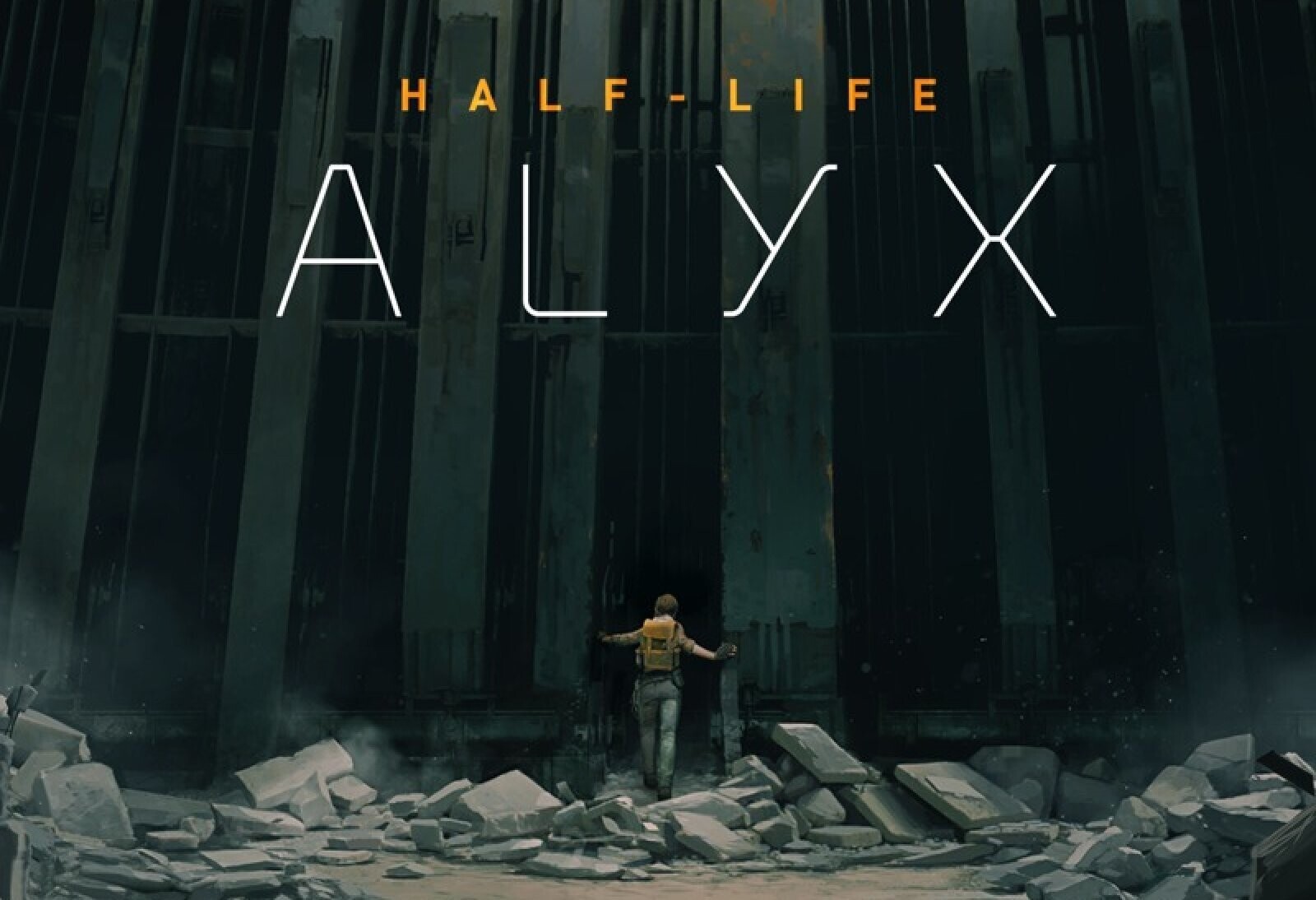
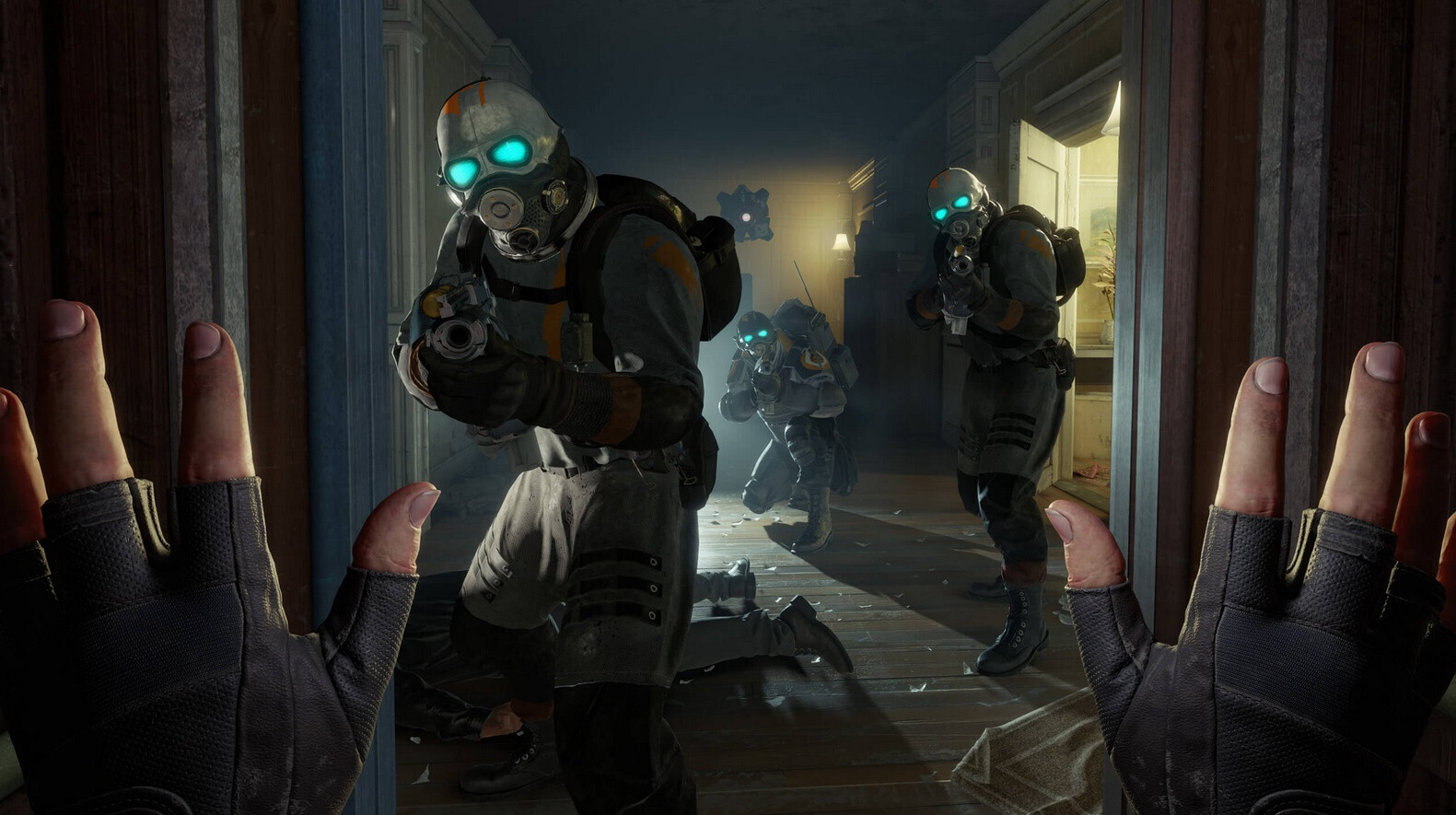
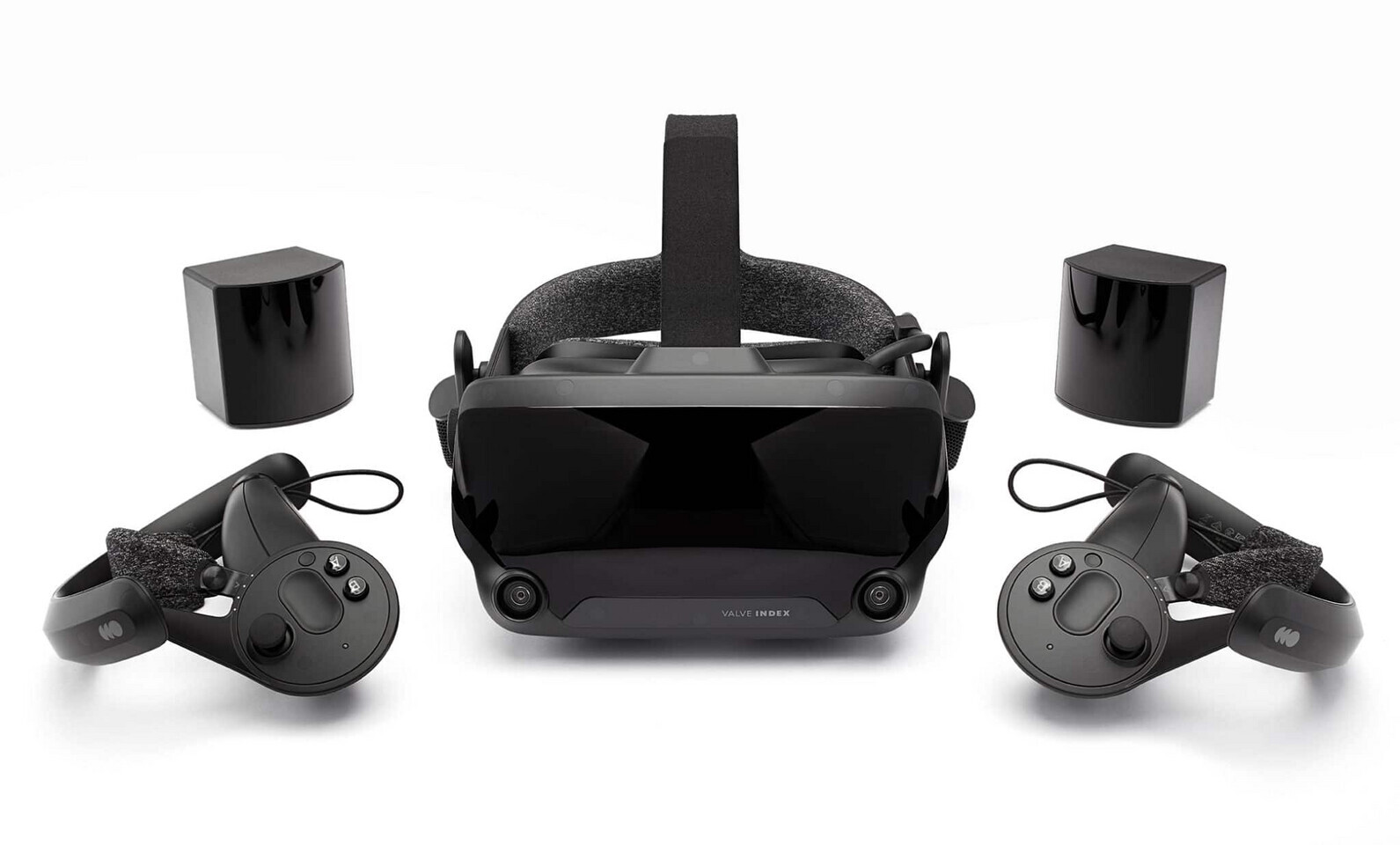
Half Life: Alyx could have been the "killer app" that VR needed for a booming mainstream adoption - much like the original Halo was the sales point for many an Xbox system back in the days. However, it seems that this isn't the case - and likely won't ever be. Half Life: Alyx is set in one of gaming's most iconic franchises; for all accounts, it's an incredibly acclaimed game, featuring a 93 aggregate review score on Metacritic, and a mightily impressive 9.1 in user reviews. However, as it stands, the game was not unlike a popping balloon: it peaked at 16,459 concurrent players on the day of release, and has since seemingly settled in a 3,000 average concurrent player count. This speaks nothing of the game's quality, as we've seen: it speaks to the adoption of VR.