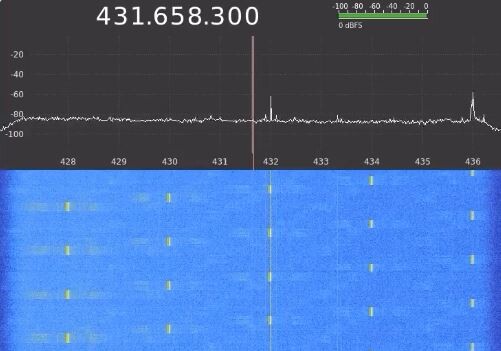
What's worse, the signal has an impressive 50-foot (15.2 m) range, can pass through walls, and can have a far higher data-rate than the fan vibration hack. Even worse, the attack doesn't require any special hacks of the GPU driver or physical modification of the graphics card in any way - only a tool that can manipulate its clock speeds (any overclocking software can do that). Luckily, overclocking tools are privileged applications (requiring ring-0 access), and in most machines it springs up a UAC gate unless the overclocking software installs a driver and service that runs in the background (this installation requires a UAC authorization in the first place). If someone managed to install privileged software on your computer, you have bigger problems than a graphics card that likes to sing. Find technical details of the hack here , and a video presentation here .