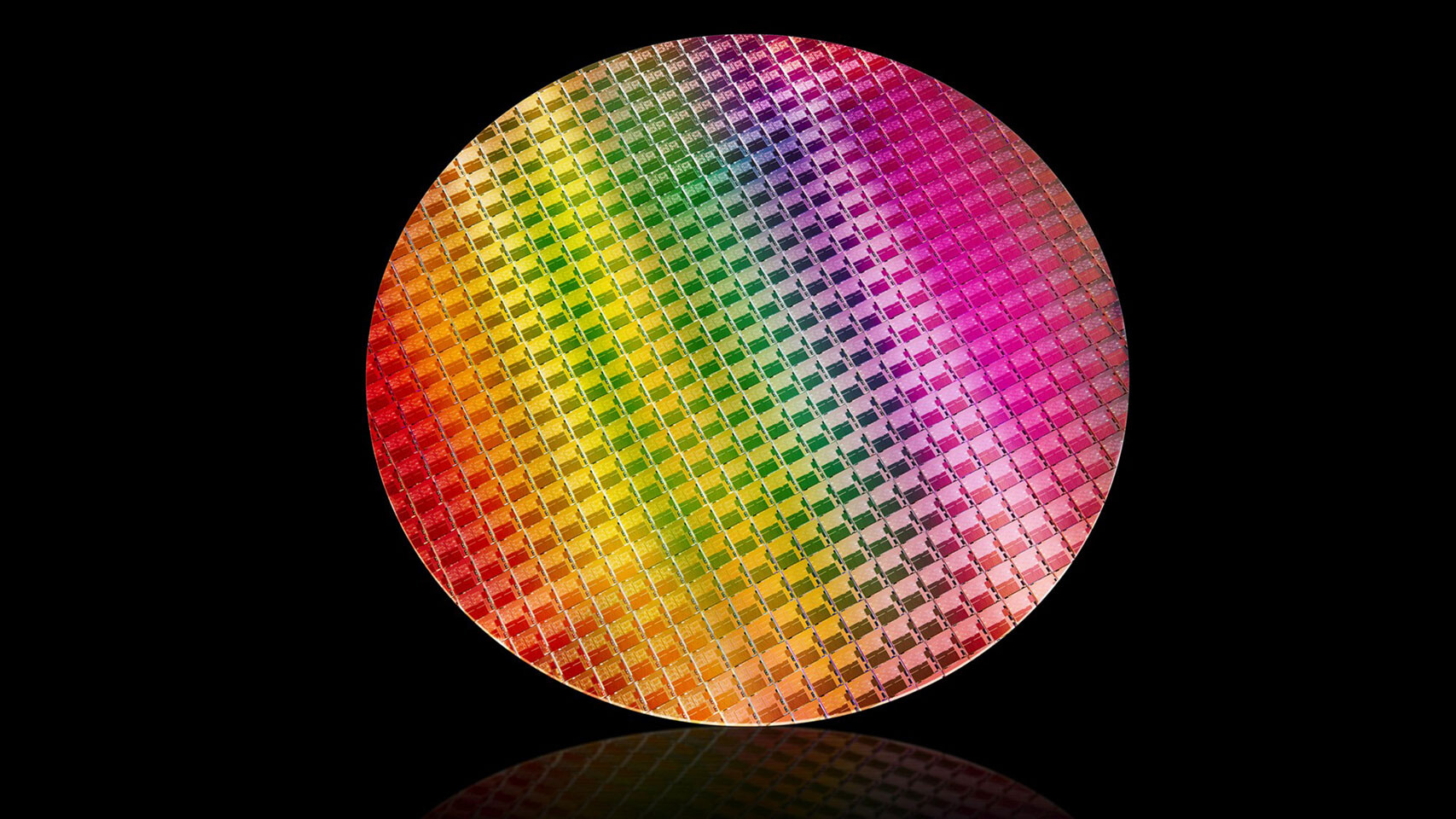
Some, such as The Verge's T.C. Sottek point this out to be a de-globalization strategy. Excerpts of one such communication between Intel CEO Bob Swan and the U.S. Department of Defense, dated April 28, was posted by WSJ, where he is quoted saying that exploring a commercial chip foundry on U.S. soil was "it is in the best interest of the United States and of Intel." The last major chipmaker that attempted U.S.-made chips was AMD, by tapping into GlobalFoundries' Upstate NY-based 14 nm-class FinFET nodes to make its 1st and 2nd gen Ryzen processors. AMD had to seek out TSMC as GloFo gave up its 7 nm-class transition plans, forcing AMD to modify its wafer supply agreement. The company now only manufactures older-gen "Picasso," "Polaris 30," and I/O dies for the latest Ryzen and EPYC processors there.