Apple Silicon|Intel

HEDT Monday: AMD and Intel Launch Analysis, Results & Controversy

The HEDT or high-end desktop platform occupies the gray area between desktops and workstations. It has been originally meant for power-users, enthusiasts, and creative professionals. Over the years, with ballooning core-counts, memory bandwidth, and I/O connectivity, the target-audience of the HEDT evolved. Now these processors are useful for people who need a lot of multi-threaded CPU performance with more I/O connectivity than what traditional desktop platforms offer; and who have not use for "workstation" features such as ECC memory, or simply don't want to spend the money.

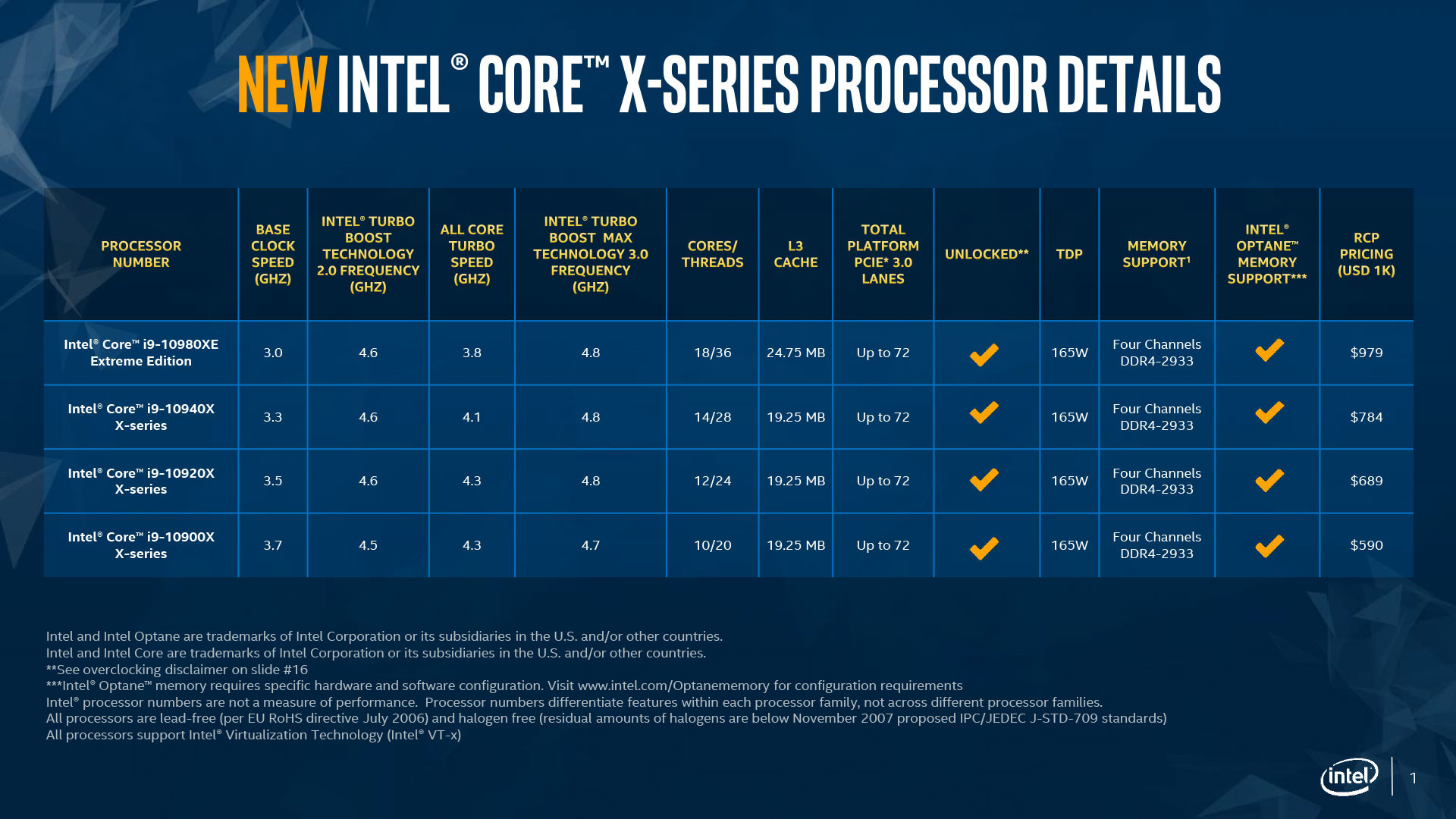
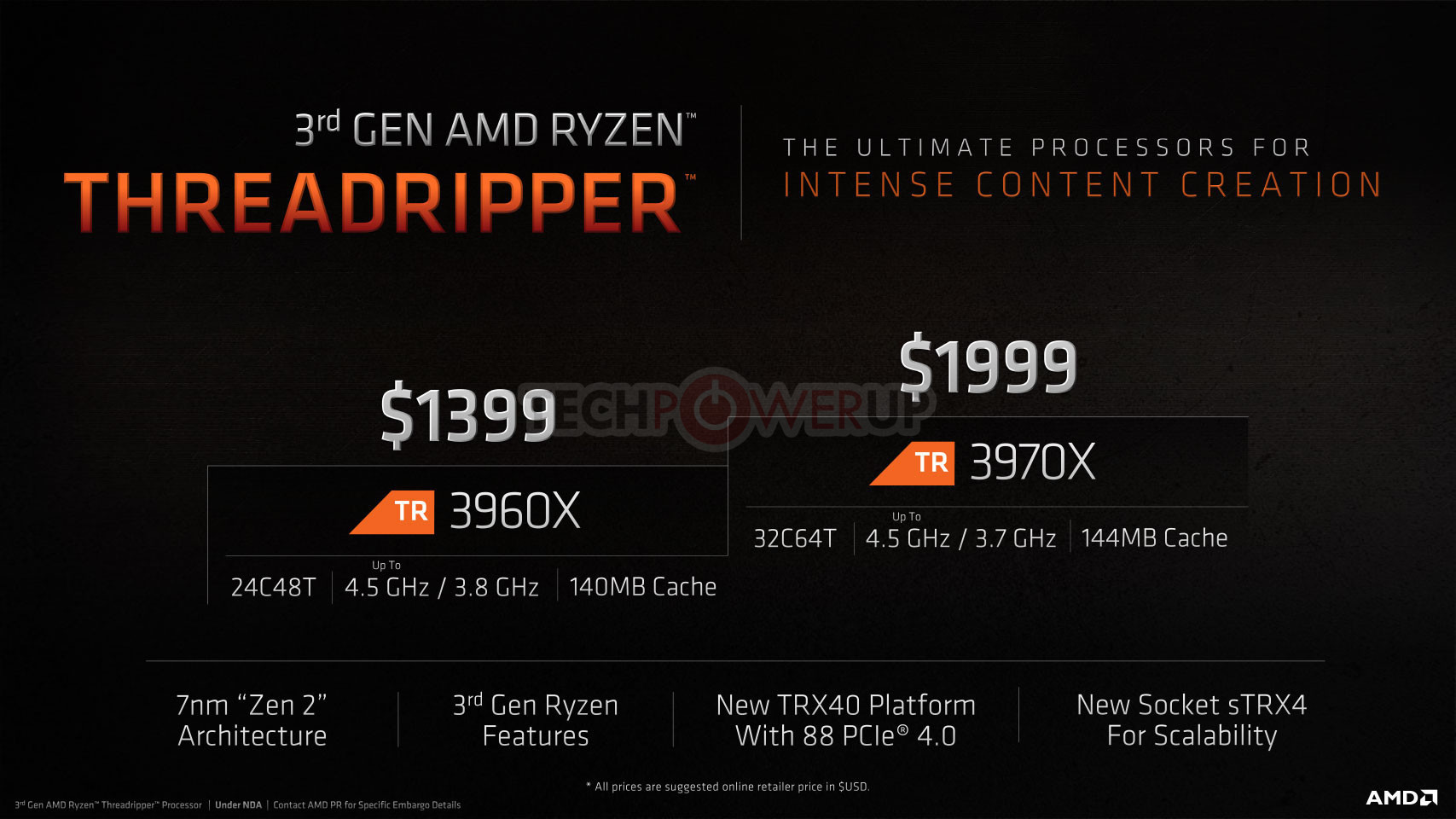
AMD doubled CPU core counts for its traditional Ryzen desktop platform this year with the introduction of 12-core and 16-core parts; forcing its 3rd gen Threadripper family to begin with even higher core-counts, starting with the 3960X 24-core part at $1,399. Intel, on the other hand, is in a bit of a pickle. Intel's 10 nm silicon fabrication node development isn't benefiting its desktop or HEDT platforms. Allocations of its 10 nm node are mopped up by its high-volume mobile processor and high-margin enterprise processor businesses, leaving too little allocation to roll out desktop or HEDT 10 nm chips at scale.