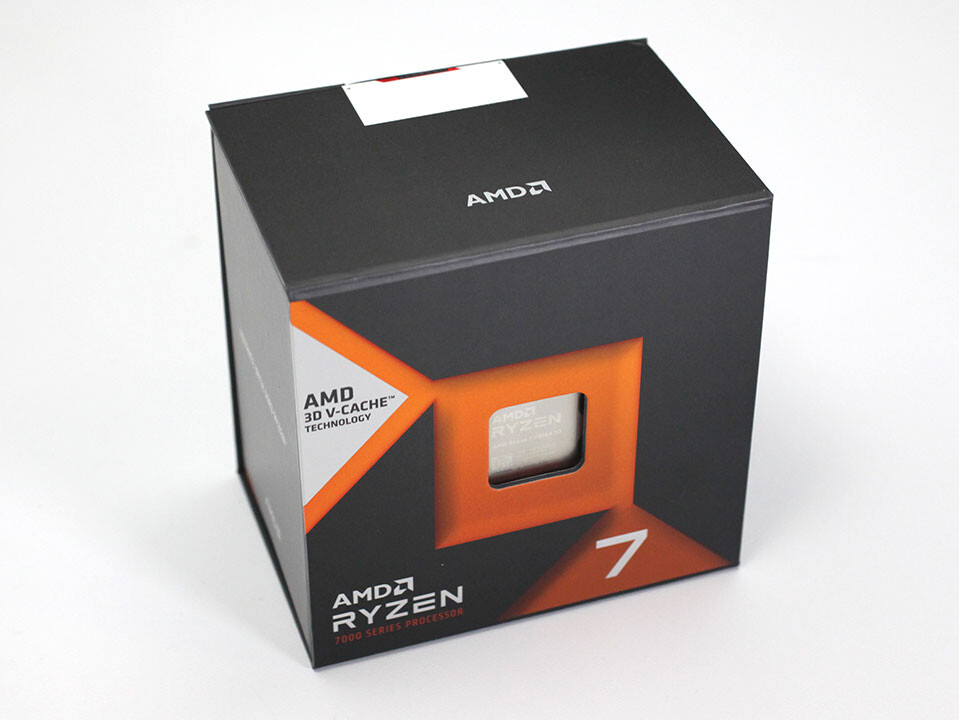
We have extensively covered the technical aspects of what 3D Vertical Cache is, and how it works, in our reviews of the 7950X3D and 7800X3D. It is a fast 64 MB slice of SRAM cache stacked on top of the 32 MB on-die L3 cache of "Zen 4" chiplets, which extends the L3 cache size to 96 MB. This has a profound impact on gaming workloads, as the CPU cores have more amount of game data at much lower latency than DRAM. As part of our coverage of the Ryzen 7000X3D processor series, we had the opportunity to interview AMD on some of the technical aspects of Ryzen 7000X3D processor series. We also took the opportunity to ask a few general questions about the Ryzen 7000 desktop processor series itself. You can also catch our interview with Robert Hallock , the former technical marketing head, for some additional questions that you may find relevant.