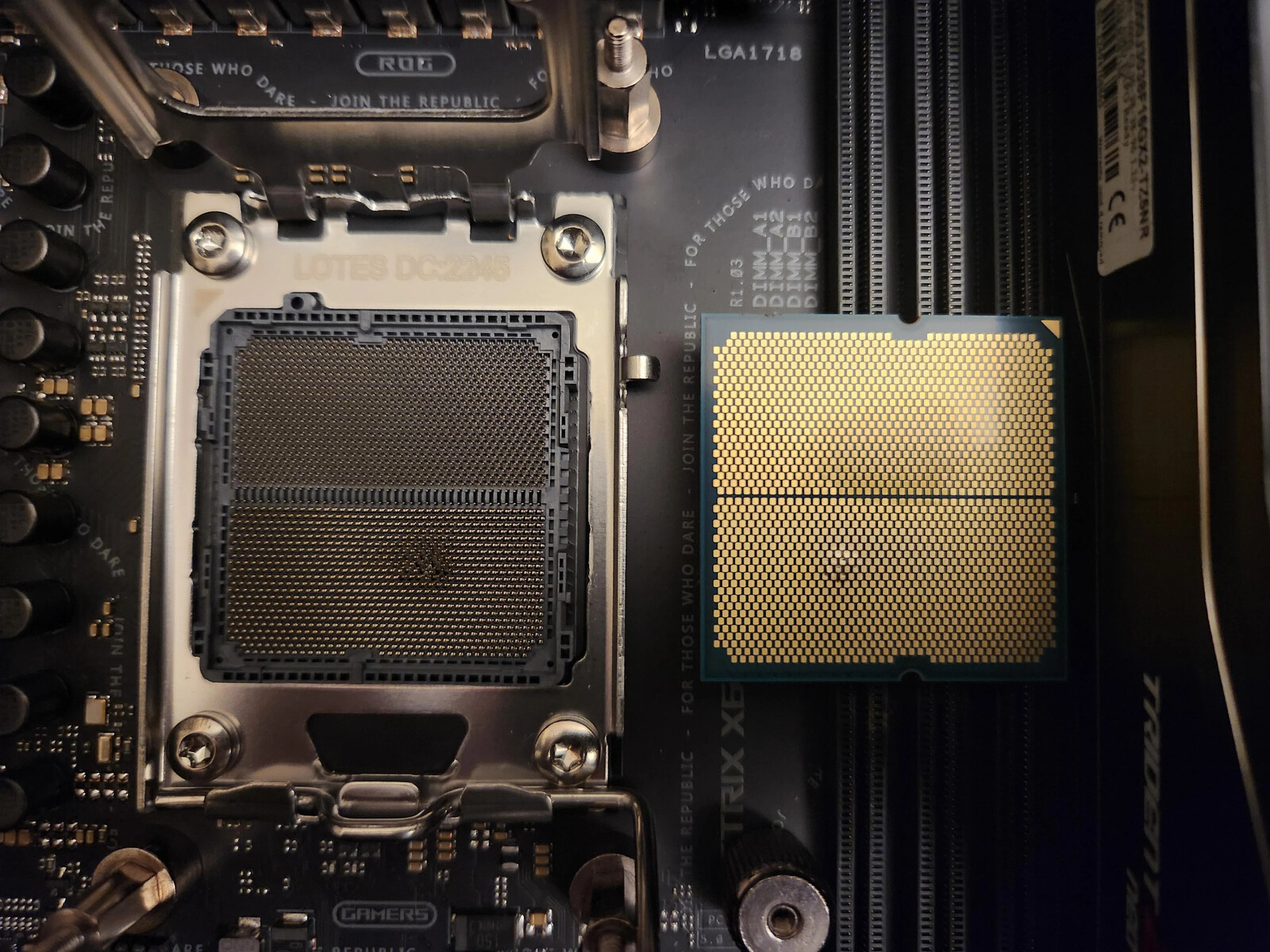
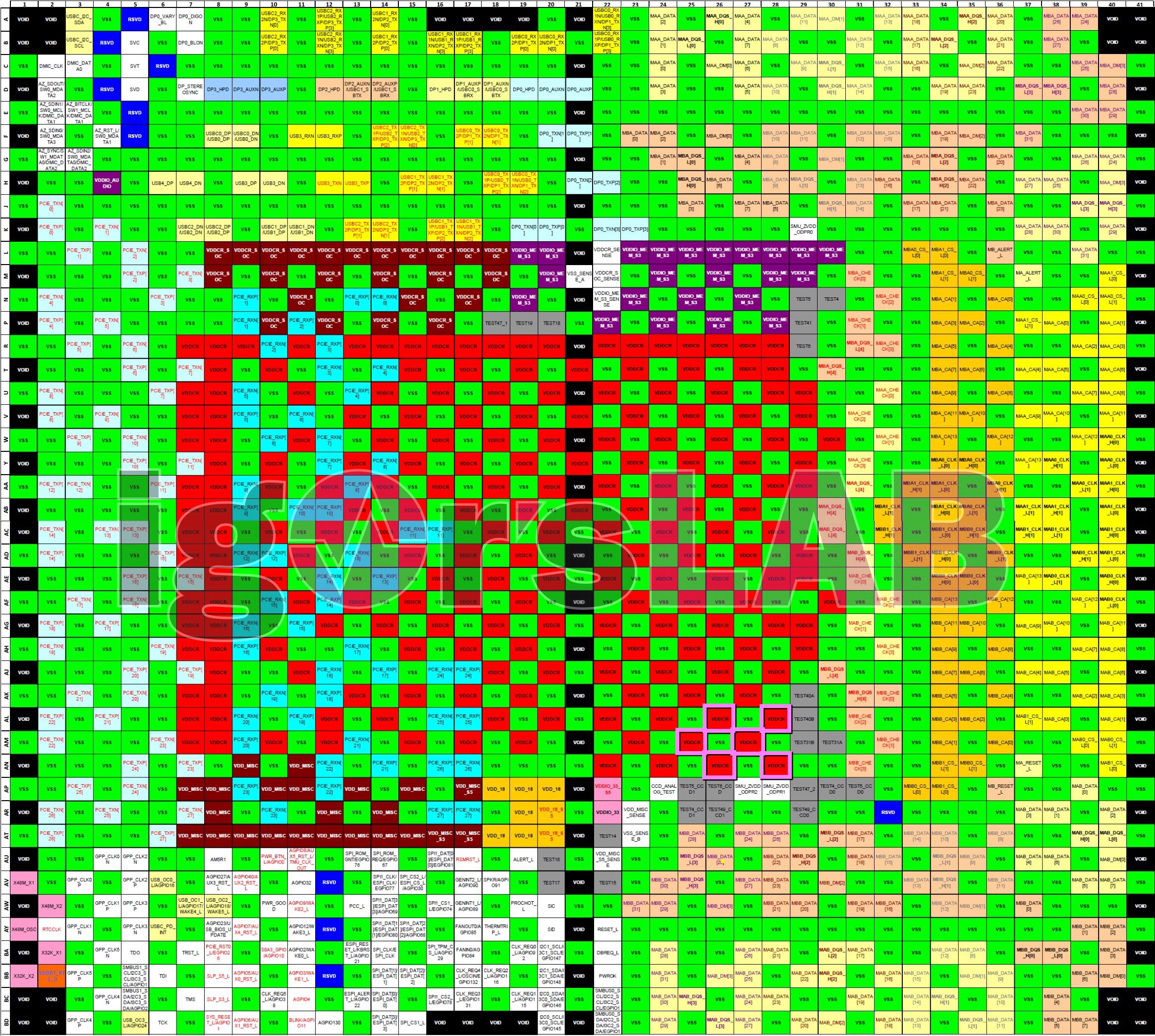
A Ryzen 7000X3D processor features a special CPU complex die (CCD) with stacked 3D Vertical Cache memory. This cache die is located in the central region over the CCD where its 32 MB on-die L3 cache is located, while the difference in Z-height of the stacked die is filled up by structural silicon, which sit over the regions of the CCD with the 8 "Zen 4" CPU cores. It stands to reason that besides having an inferior thermal transfer setup to conventional "Zen 4" CCDs (without the 3DV cache), the CCD itself has a higher power-draw at any given clock-speed than a conventional CCD (since it's also powering the L3D). This is the main reason why overclocking capabilities on the 7000X3D processors are almost non-existent, and the processor's power limits are generally lower than their regular Ryzen 7000X counterparts. Attempting to dial up voltage kicks up the perfect storm for these processors.