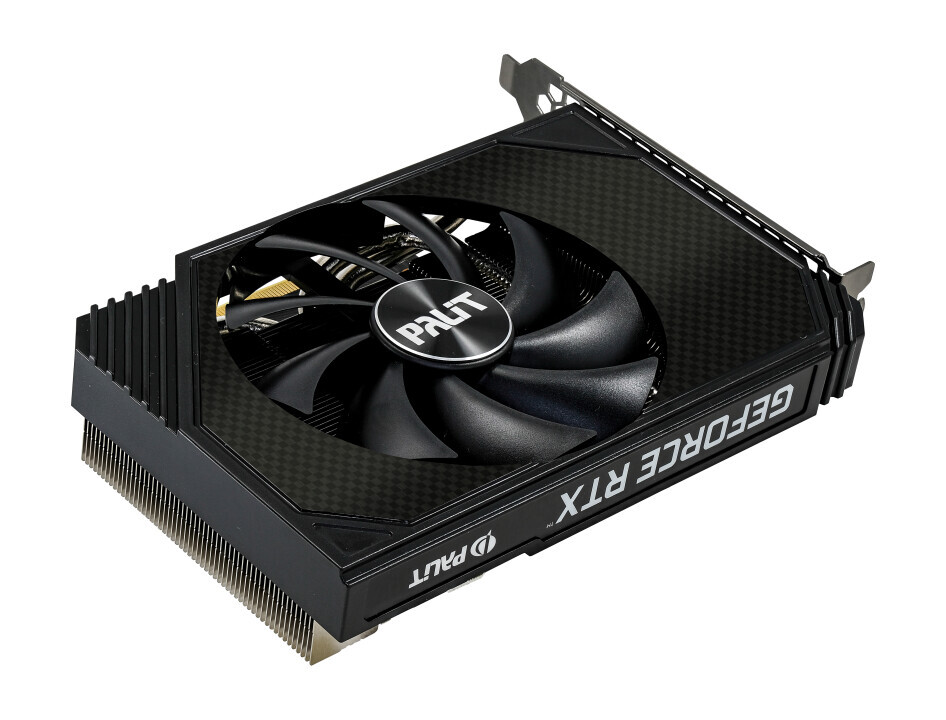
While this is still plenty of interface bandwidth for a GPU of this market segment, with bandwidth comparable to that of PCI-Express 3.0 x16, using the RTX 4060 Ti on older platforms, such as 10th Gen Intel Core "Comet Lake," or even much newer processors such as the AMD Ryzen 5700G "Cezanne," would run the GPU at PCI-Express 3.0 x8, as the GPU physically lacks the remaining 8 lanes. The lower PCIe lane count should simplify board design for AIC partners, as it reduces the PCB traces and SMDs associated with each individual PCIe lane. Much like DRAM chip traces, PCIe traces are meticulously designed by EDA software (and later validated), to be of equal length across all lanes, for signal integrity.