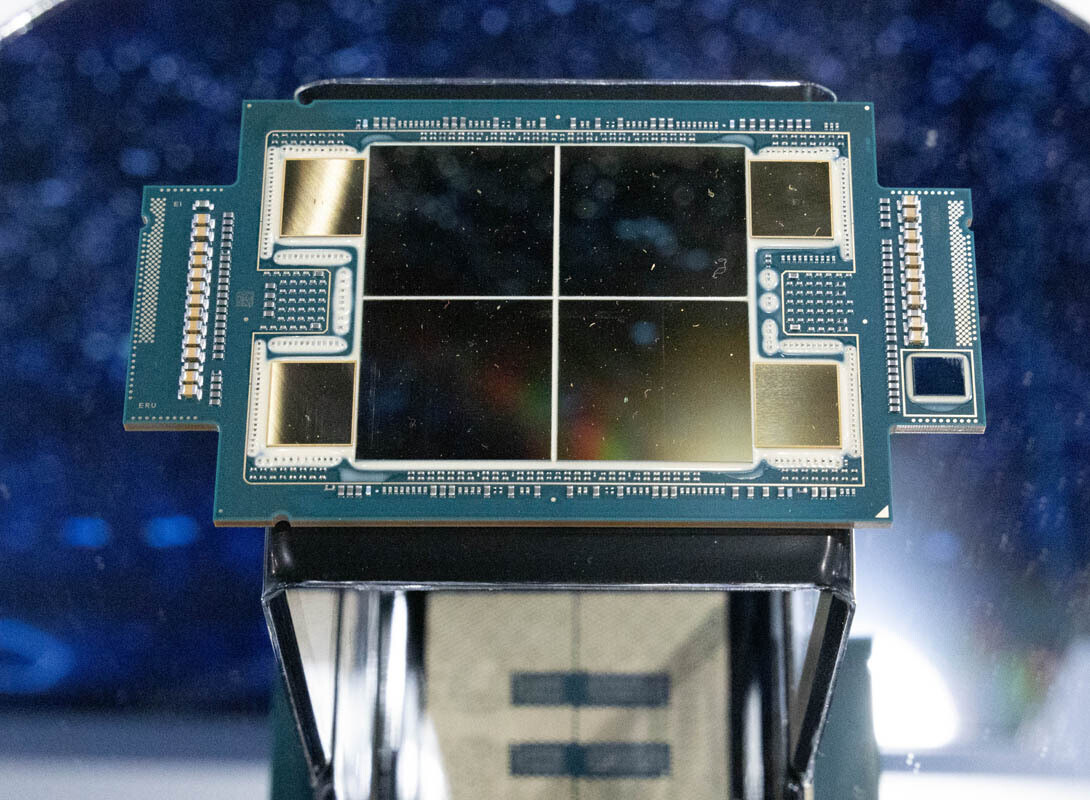
AMD has used 3D-stacked cache to good effect on its processors. On client processors such as the Ryzen X3D series, the cache provides significant gaming performance uplifts as the larger L3 cache makes more of the game's rendering data immediately accessible to the CPU cores; while on server processors such as EPYC "Milan-X" and "Genoa-X," the added cache provides significant uplifts to memory intensive compute workloads. Intel's approach to 3D-stacked cache will be different at the hardware level compared to AMD's, Gelsinger stated in his response. AMD's tech has been collaboratively developed with TSMC, and hinges on a TSMC-made SoIC packaging tech that facilitates high-density die-to-die wiring between the CCD and cache chiplet. Intel uses its own fabs for processor dies, and will have to use its own IP.