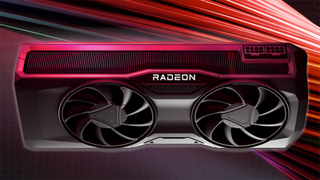
AMD's Anti-Lag+ feature was designed to make games more responsive and improve user experience. However, its implementation triggers anti-cheat protection technologies in multiple online games, rendering the part unusable.
As it turns out, the enablement of Anti-Lag+ capability triggers anti-cheat protection in Call of Duty Modern Warfare 2 , Call of Duty Warzone , and Apex Legends or crashes these games. On Friday, it turned out that Anti-Lag+ triggered anti-cheat protection in Counter-Strike 2 , resulting in VAC's ban. As a result, AMD had to withdraw its latest Adrenalin driver.
AMD's Anti-Lag+ and Nvidia's Reflex technologies are designed to reduce input lag by optimizing how games are controlled and render graphics. There is a difference between how they are implemented, though.
Nvidia's Reflex is a separate library that game developers add to their titles, and this library interacts with the game engine. By contrast, AMD's Anti-Lag+ technology, currently supported by AMD's Radeon RX 7000-series graphics cards (which are among the best graphics cards ), requires a feature in the company's drivers and modification of the game engine, which is something that triggers anti-cheat protection.
It is unclear whether AMD can implement its Anti-Lag+ differently without dealing with game engines or if game developers certify such modifications and make appropriate changes to their anti-cheat protection technologies. In the meantime, gamers should not use AMD's Anti-Lag+ in competitive online games to avoid bans.