Legion GO: New AMD Ryzen Z1 handheld enters the game
The competition among AMD-based gaming systems is now even tougher.
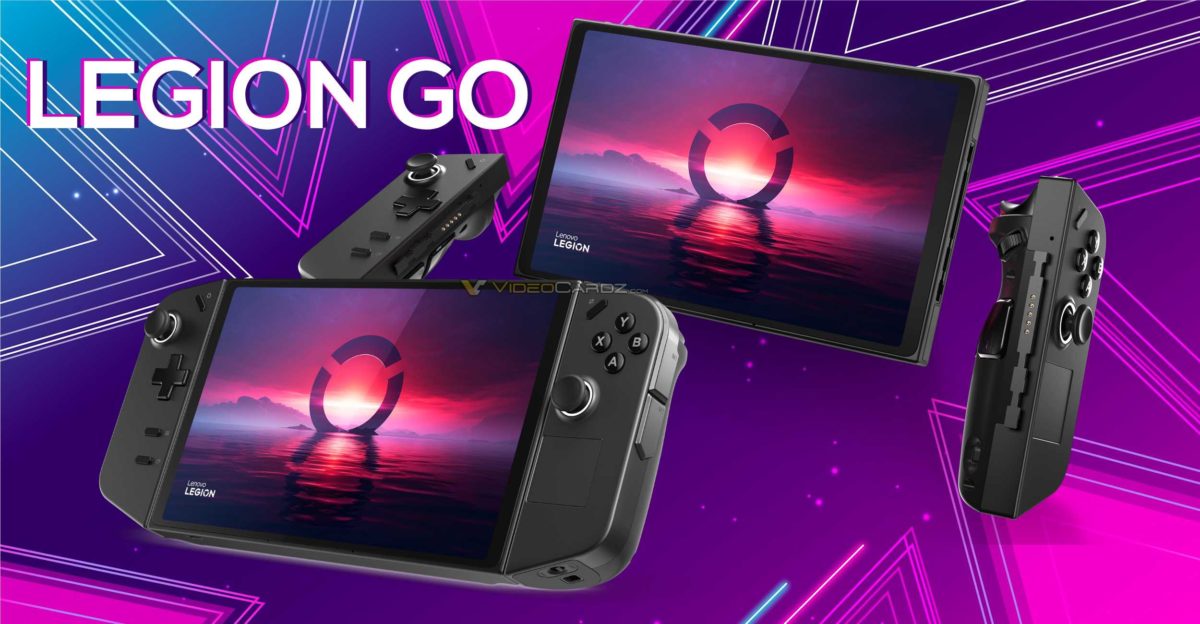
Today, Lenovo has officially launched its Legion Go handheld gaming device. This is their first attempt at Windows handheld gaming devices. This new system is entering a competitive market, but Lenovo has taken steps to make it stand out.
The Legion Go boasts an impressive 8.8 QHD+ screen with a resolution of 2560×1600, which is twice as high Valve’s Steam Deck. Notably, the screen offers a high 144 Hz refresh rate , surpassing even the ROG Ally’s 1080/120Hz display. It also provides a wide color gamut coverage of 97% DCI-P3 and supports 10-point touch input. It’s worth noting that this screen is optimized for portrait mode, which may lead to slightly reduced text clarity. However, for the fast-paced gaming experience it was designed for, this may not be a significant concern.
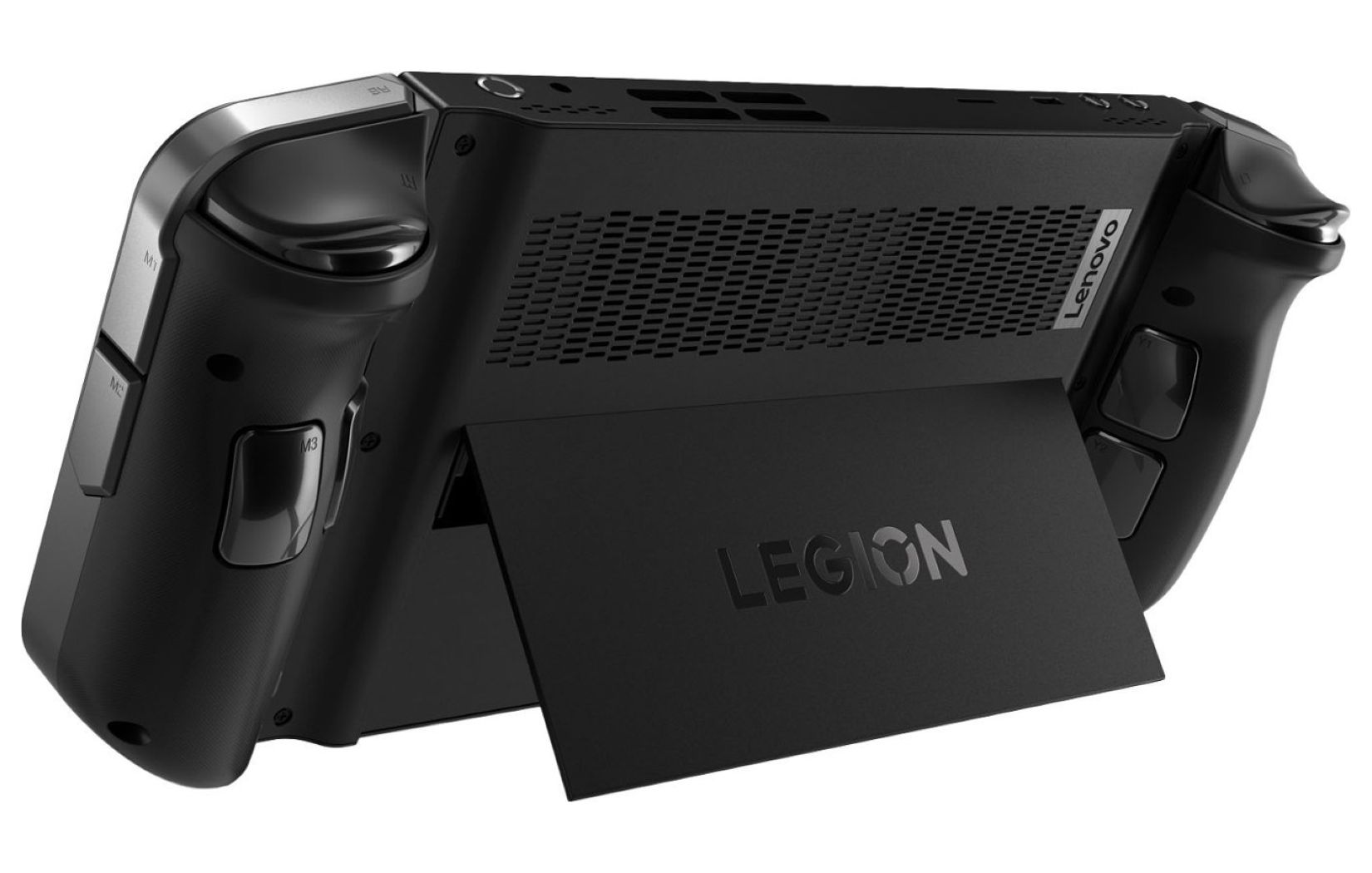
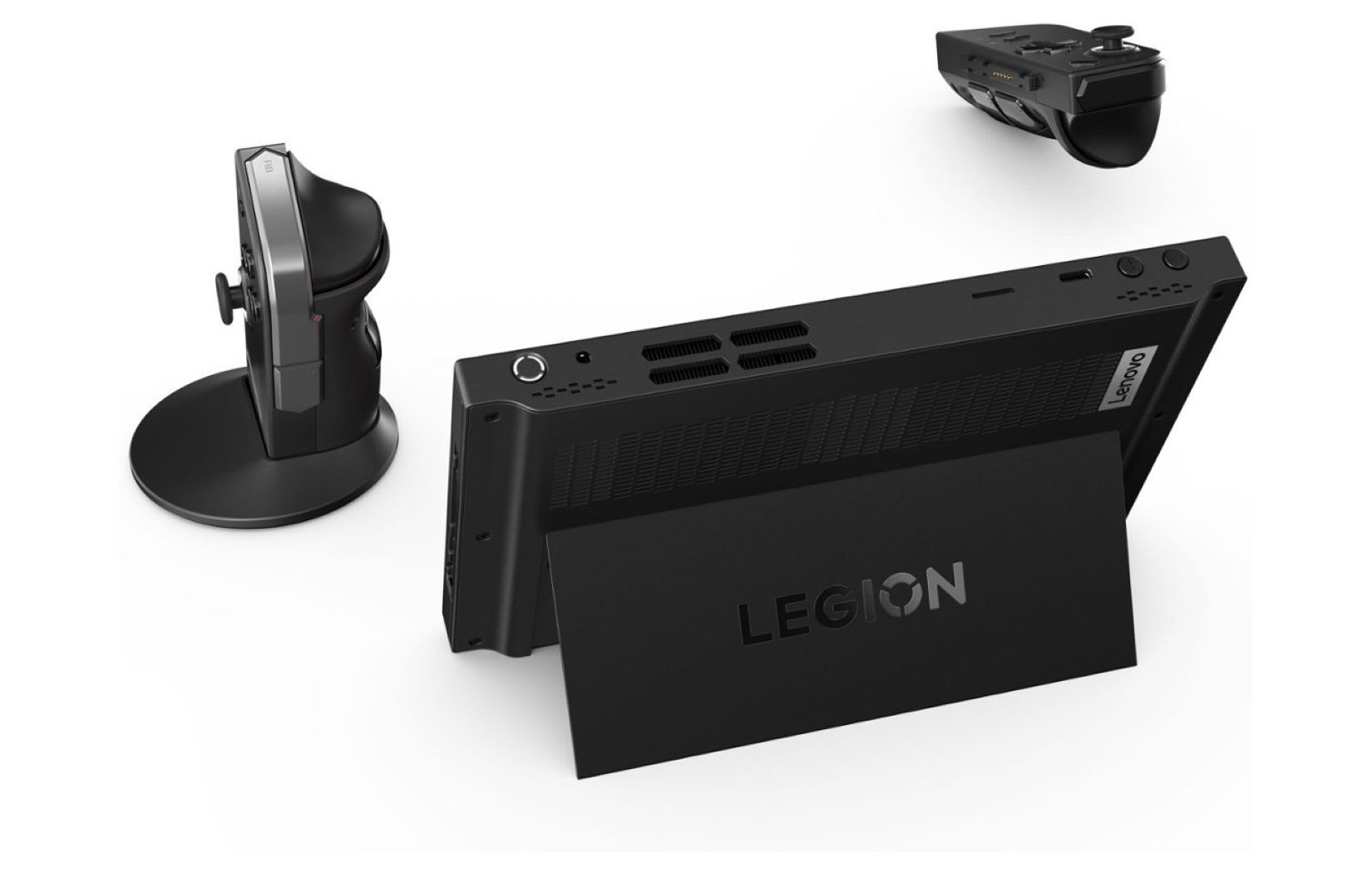
Legion Go, Source: Lenovo
Under the hood, the CPU is based on AMD Phoenix silicon, customized for power-efficient gaming, resulting in lower TDP profiles compared to standard Ryzen 7040 laptop chips. The Legion Go will be available in two versions, one with the Ryzen Z1 Extreme and the other with the non-Extreme APUs. The former features 8 Zen4 cores with a boost clock of up to 5.1 GHz, while the latter is a 6-core Zen4 variant with a boost clock of up to 4.9 GHz. The non-Extreme variant is based on a different silicon, known as Phoenix2, which combines Zen4 and Zen4c microarchitectures. Importantly, the GPU power varies between these versions, with the Ryzen Z1 Extreme boasting 12 RDNA3 Compute Units at up to 2.7 GHz, while the cheaper variant has only 4 CUs and a 2.5 GHz GPU clock, which may be insufficient for the 1600p screen.

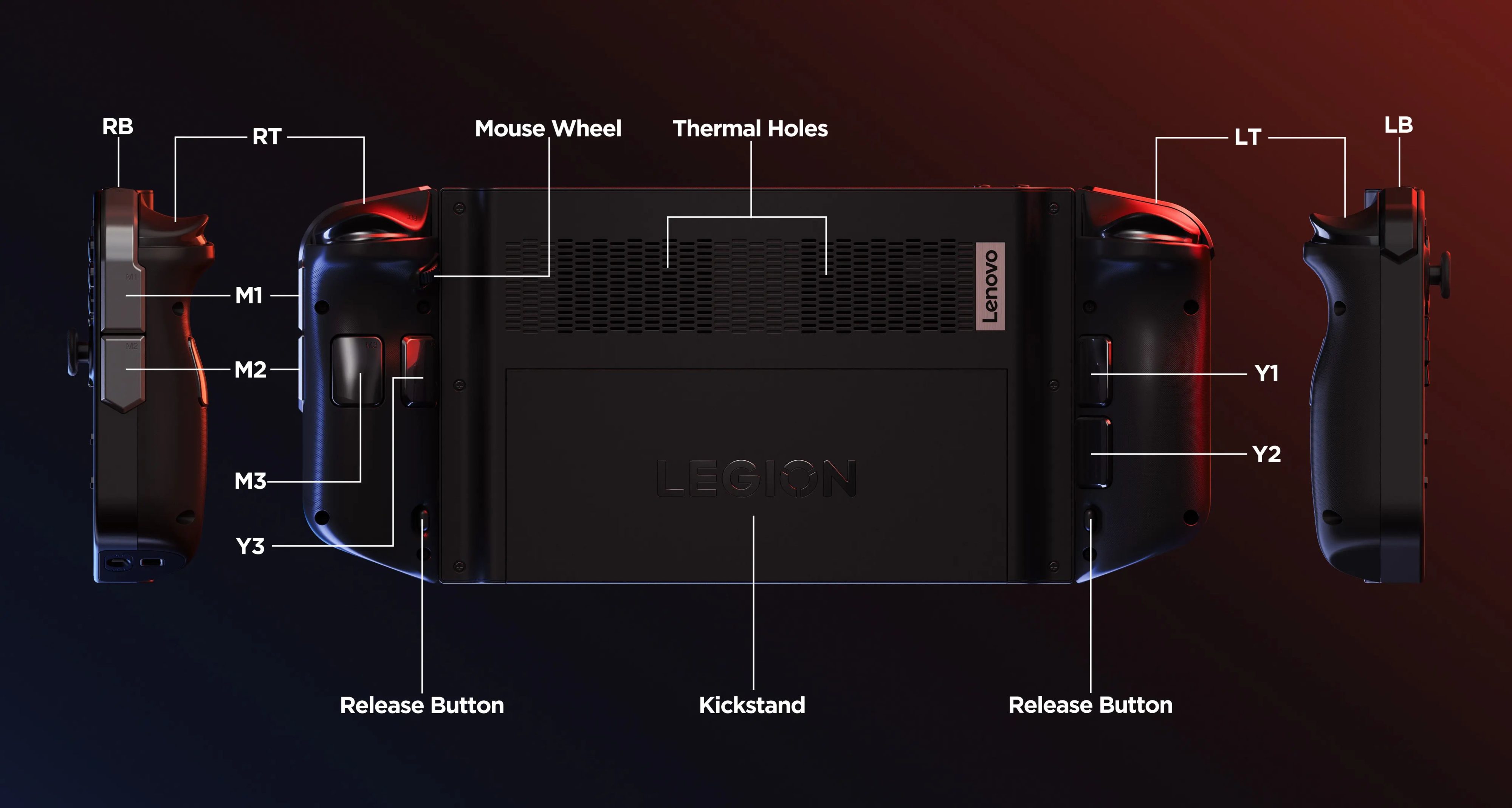
Legion Go, Source: Lenovo
In terms of memory, the egion Go offers up to 16GB of LPDDR5X-7500 memory, surpassing the speeds of the Ally and Deck. Memory bandwidth is often a bottleneck in integrated graphics performance, as the GPU shares it with system memory. When it comes to storage, the system is available with either 512GB or 1TB for the Ryzen Z1 Extreme. A 256GB version was mentioned earlier but is currently not available. The platform uses the M.2 2242 form factor with a PCIE Gen4 interface. Users can expand the storage using the SD card slot, supporting up to 2TB of additional storage. Notably, retailers like BestBuy offer an upgrade option to 2TB for the main storage, priced at around $100.
An interesting feature that sets the Legion Go apart from the Ally or Deck is its removable controllers , similar to the Nintendo Switch. These controllers can also function as a mouse, improving precision in first-person shooters. Additionally, the system supports external GPUs through its USB Type-C connector, a clear advantage over the ROG Ally, which only supports proprietary ROG XG graphics.
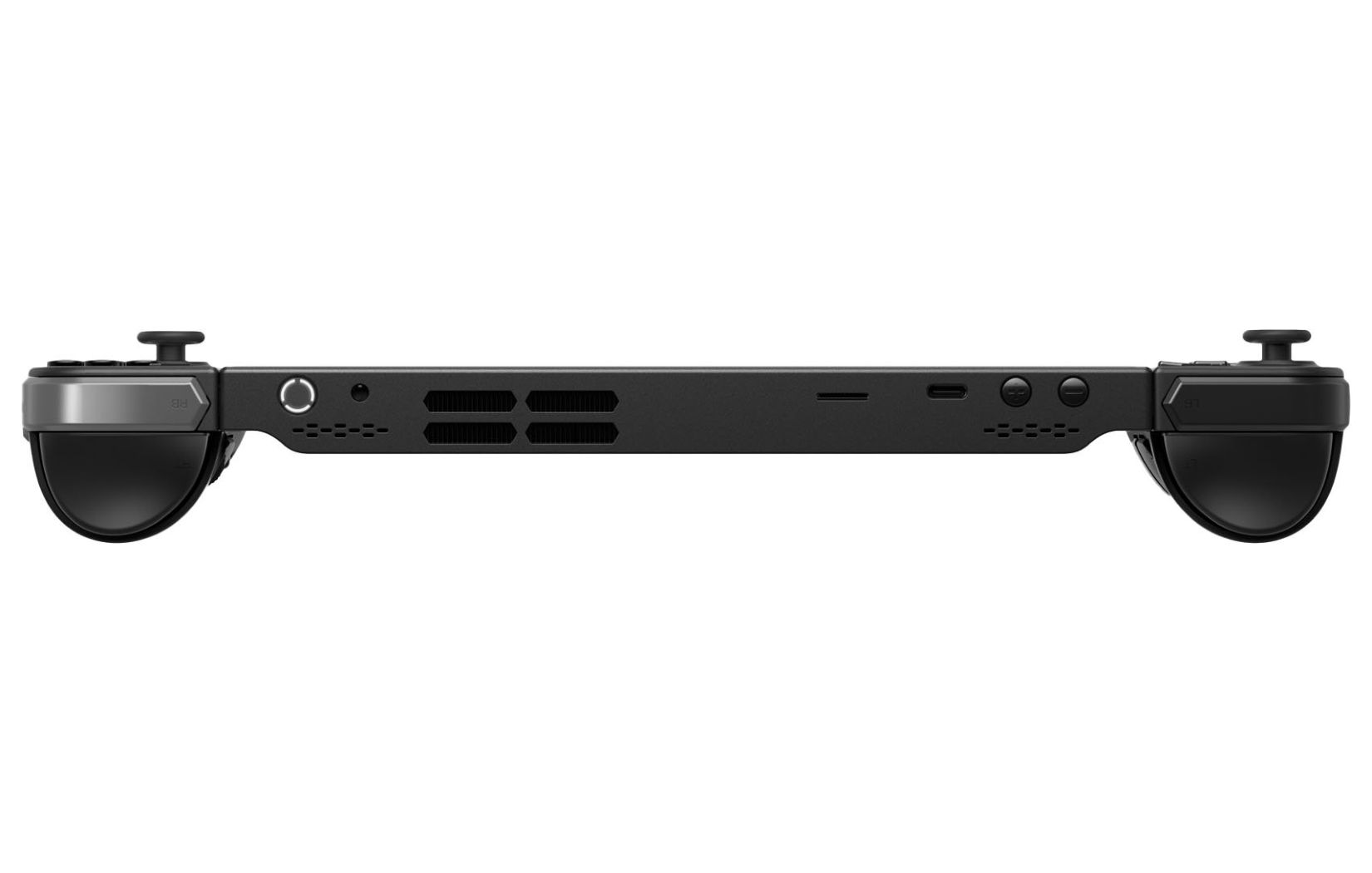
Legion Go, Source: Lenovo
Overall, the Legion Go offers several advantages and is a valuable addition to the high-end handheld gaming platform. It’s likely to exert pressure on competitors like ASUS and AYANEO to reconsider their pricing. Furthermore, this is also a significant step for AMD, expanding their console ecosystem even further. So, can the next-generation Nintendo Switch or Steam Deck even compete? Only time will tell.
| Handheld Gaming Consoles | ||||
|---|---|---|---|---|
| VideoCardz | Lenovo Legion Go | AYANEO Kun | ASUS ROG Ally | Valve Steam Deck |
| Picture | 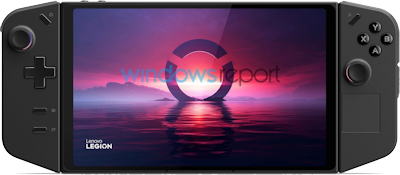 | 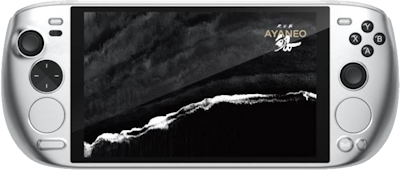 | 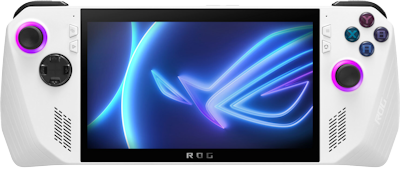 | 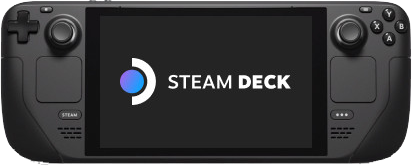 |
| Architecture | AMD Zen4 & RDNA3 | AMD Zen4 & RDNA3 | AMD Zen4 & RDNA3 | AMD Zen2 & RDNA2 |
| APU | Ryzen Z1 Extreme 8C/16T up to 5.1 GHz or Ryzen Z1 6C/12T up to 4.9 GHz | Ryzen 7 7840U 8C/16T up to 5.1 GHz | Ryzen Z1 Extreme 8C/16T up to 5.1 GHz or Ryzen Z1 6C/12T up to 4.9 GHz | AMD Van Gogh 4C/8T up to 3.5 GHz |
| SoC GPU | AMD iGPU 12CU @ 2.7 GHz (Z1E) 4CU @ 2.5 GHz (Z1) | AMD iGPU 12CU @ 2.7 GHz | AMD iGPU 12CU @ 2.7 GHz [1] 4CU @ 2.5 GHz [2] | AMD iGPU 8CU @ 1.6 GHz |
| SoC TDP | 9-30W | 15-54W | 9-30W | 4-15W |
| External GPU | USB4 | TBC | ROG XG Mobile (up to RTX 4090) | Not officially |
| Memory Capacity | 16GB LPDDR5X-7500 | 16GB/32GB/64GB | 16GB LPDDR5-6400 | 16GB LPDDR5-5500 |
| Storage Capacity | 1TB/512GB | 512GB/1TB/2TB/4TB | 512GB [1] /256GB [2] | 256GB/512GB SSD 64GB eMMC |
| Storage Type | M.2 NVMe 2242 SSD PCIe 4×4 | M.2 NVMe 2280 SSD PCIe 4×4 | M.2 NVMe 2230 SSD PCIe 4×4 | M.2 NVMe 2230 SSD PCIe 3×4 eMMC PCIe Gen2x1 |
| Display | 8.8″ 2560×1600 IPS, 144Hz (VRR), 500 nits | 8.4″ 2560×1600, 500 nits | 7″ 1920×1080, 120Hz (VRR), 500 nits, 7ms | 7″ 1280×800, 60Hz |
| Connectivity | Wi-Fi 6E, BT 5.2 | Wi-Fi 6E, BT 5.2 | Wi-Fi 6E, BT 5.2 | Wi-Fi 5, BT 5 |
| Battery | 49.2 Wh, 900 mAh (controllers) | 75 Wh | 40 Wh, 4S1P, 4-cell Li-ion | 40 Wh |
| Weight | 854g / 1.87 lbs | 900g /2 lbs | 608g / 1.34 lbs | 669g / 1.47 lbs |
| Dimensions (LxWxH) | 29.9 x 13.1 x 4.1 cm 11.8 x 5.2 x 1.6 in | 31.2 x 13.3 x 2.2 cm 12.3 x 5.24 x 0.87 in | 28.0 x 11.3 x 3.9 cm 11.0 x 4.5 x 1.5 in | 29.8 x 11.7 x 4.9 cm 11.7 x 4.6 x 1.9 in |
| Default OS | Windows 11 | Windows 11 | Windows 11 | Steam OS/Win 11 |
| Retail Price | ? (Z1+16G+256GB) $699/€799 (Z1E+16G+512GB) $749/€799 (Z1E+16G+1TB) | $1,209 (16G+512GB) $1,319 (32G+1TB) $1,429 (32G+2TB) $1,949 (64G+4T) | $599/€699 (Z1+16G+256GB) $699/€799 (Z1E+16G+512GB) | $399/€419 (16G+64GB) $529/€549 (16G+256GB) $649/€679 (16G+512GB) |
| Release Date | October 31, 2023 | October 2023 | June 2023 [1] September 2023 [2] | February 2022 |